English
 Español



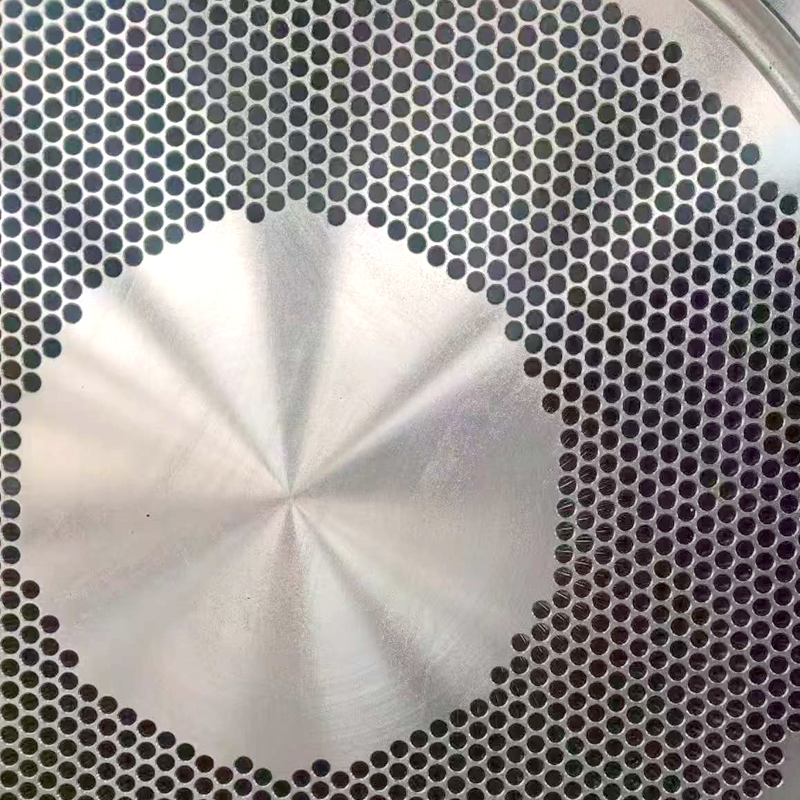
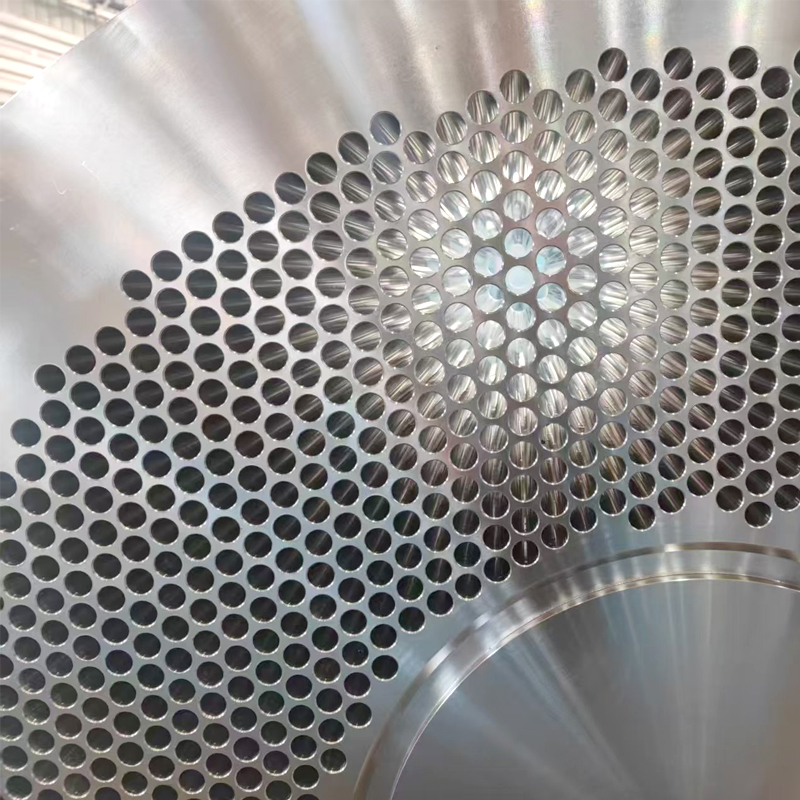
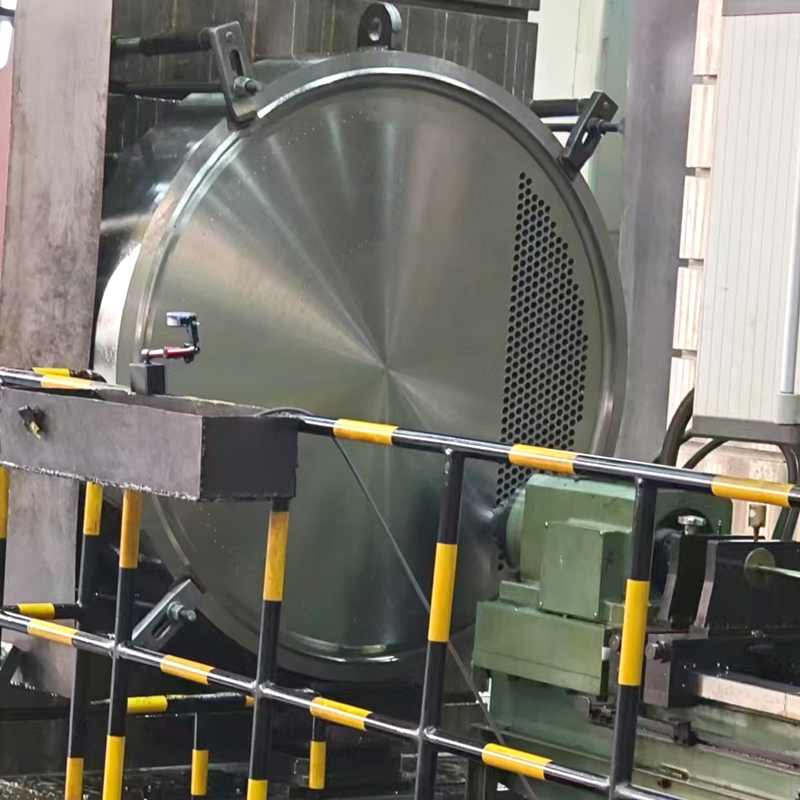

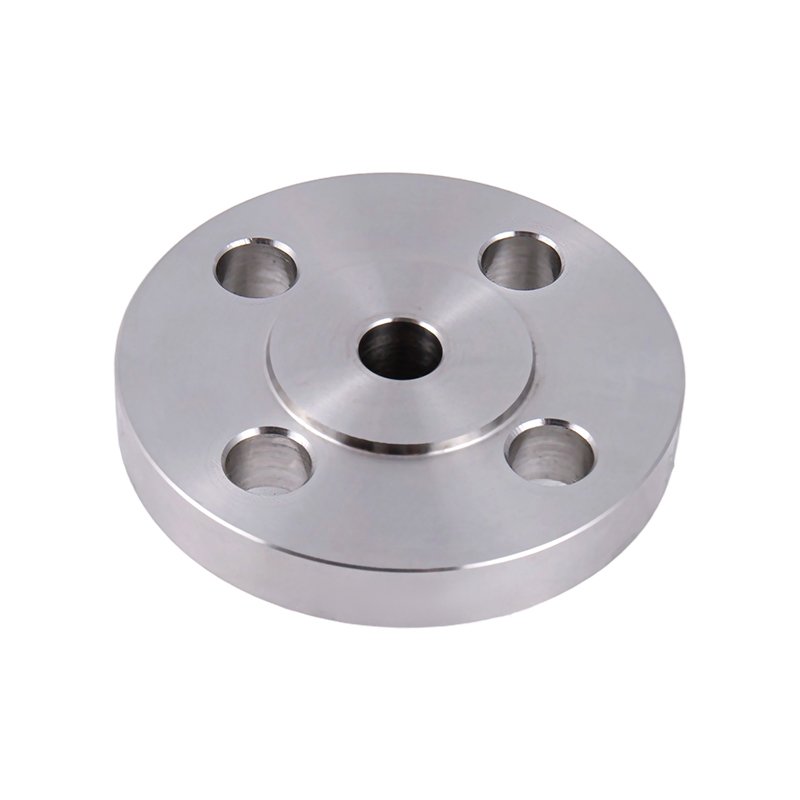
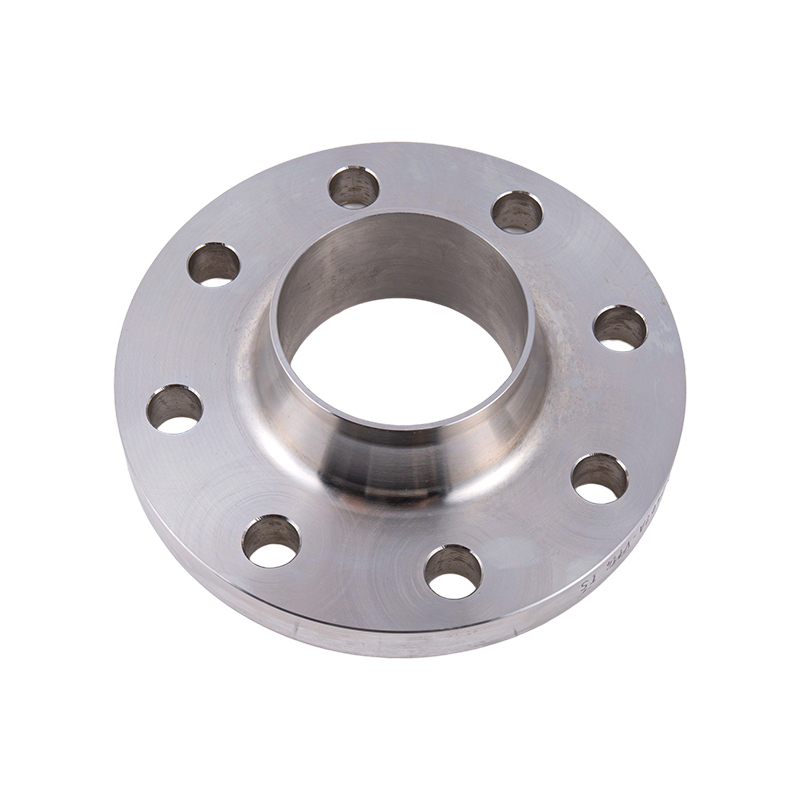
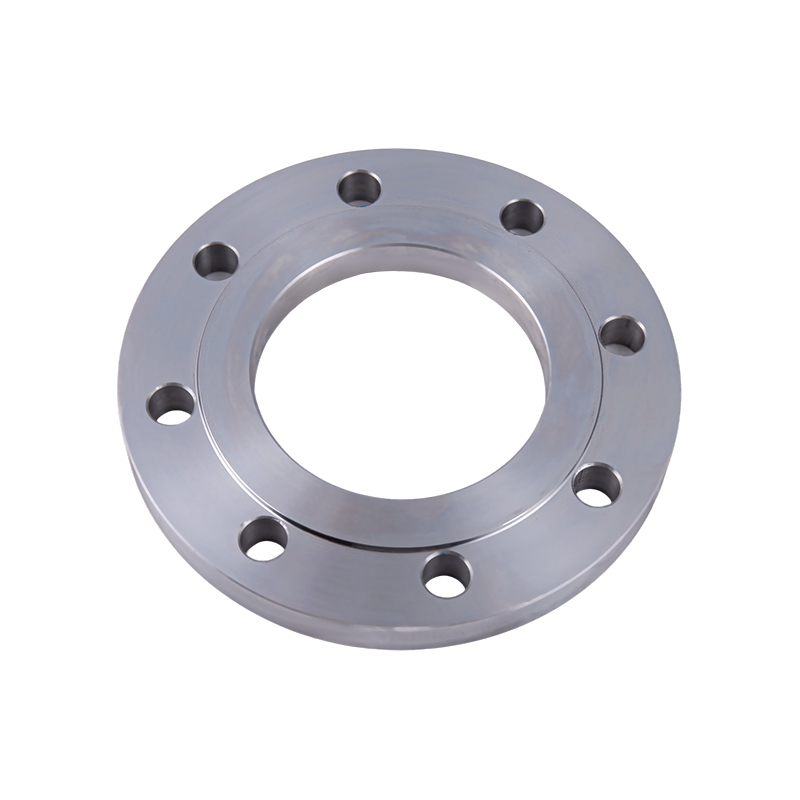
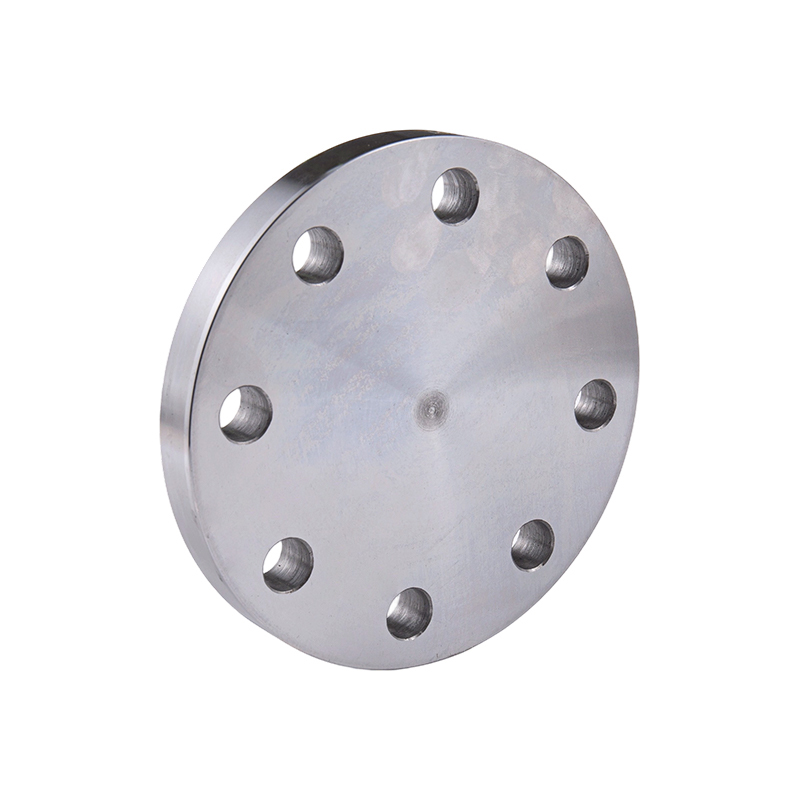
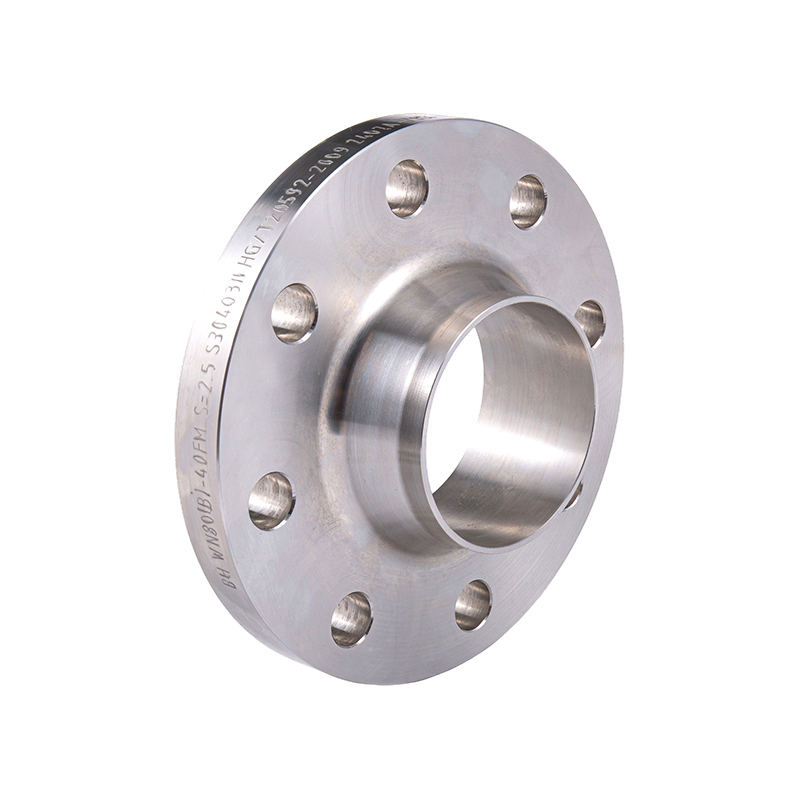
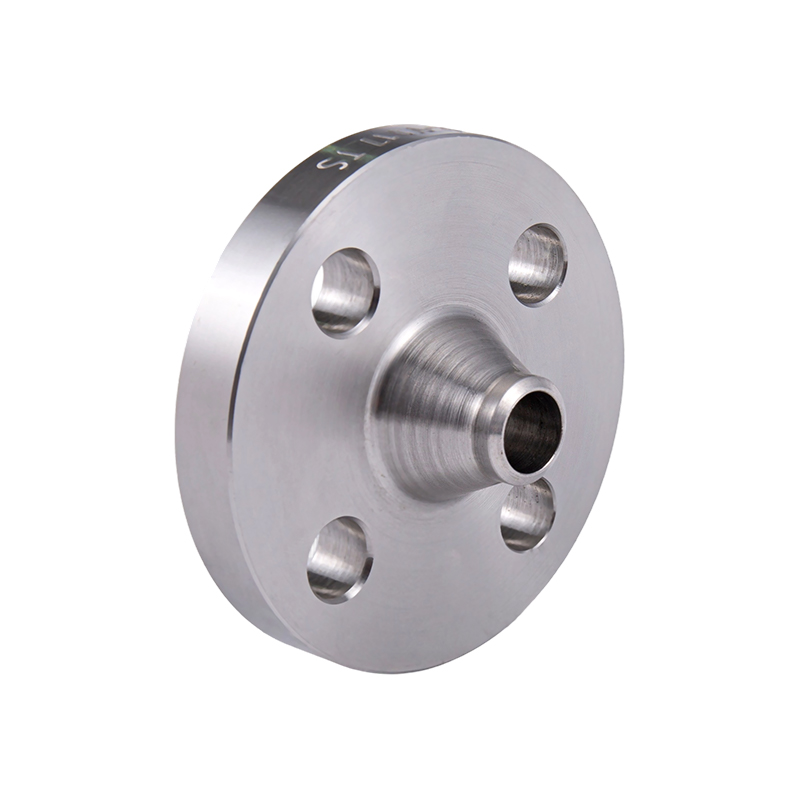
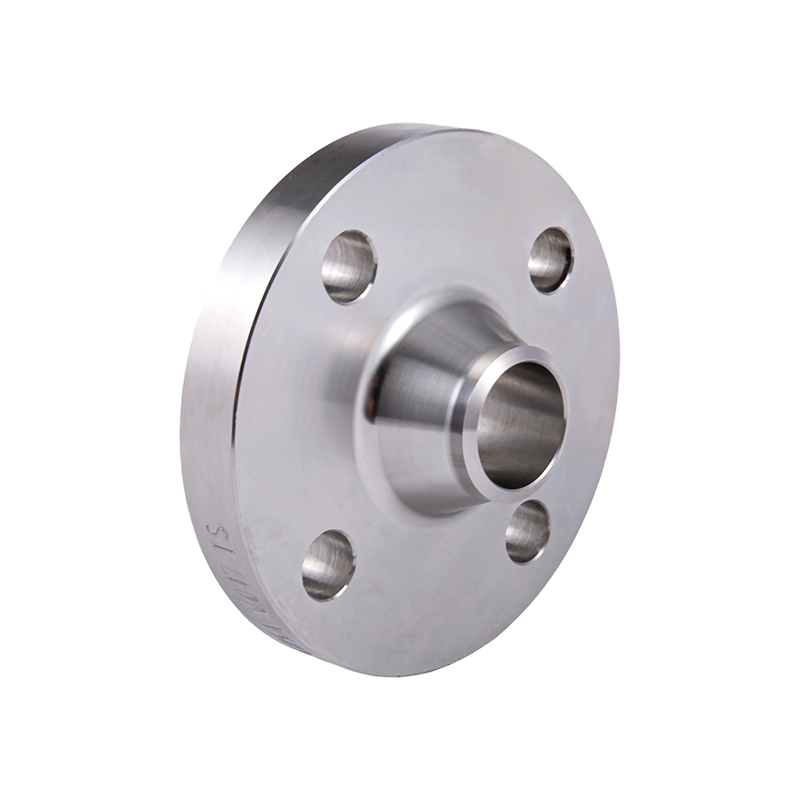
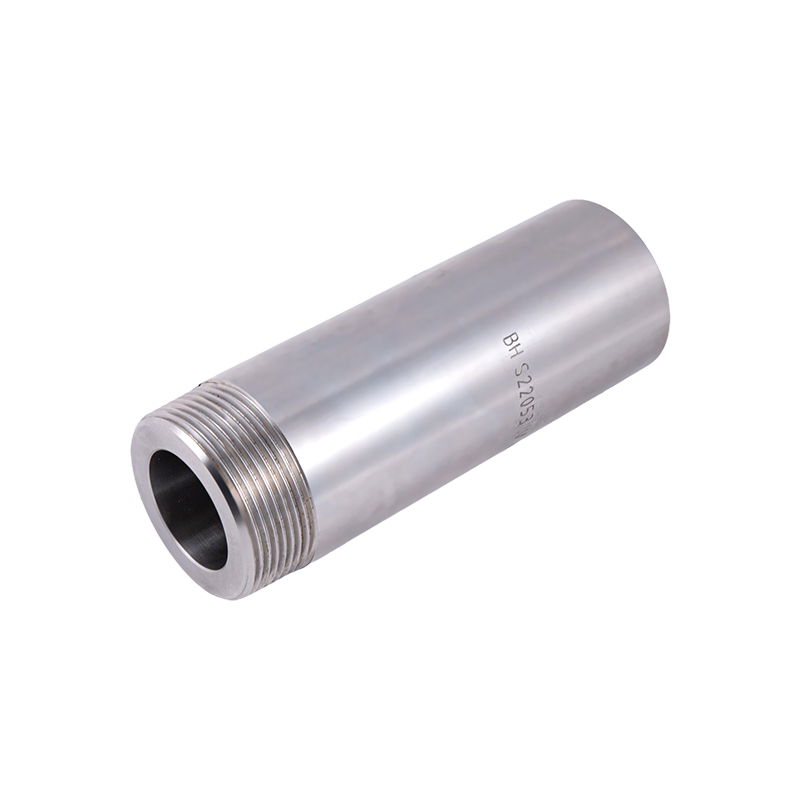
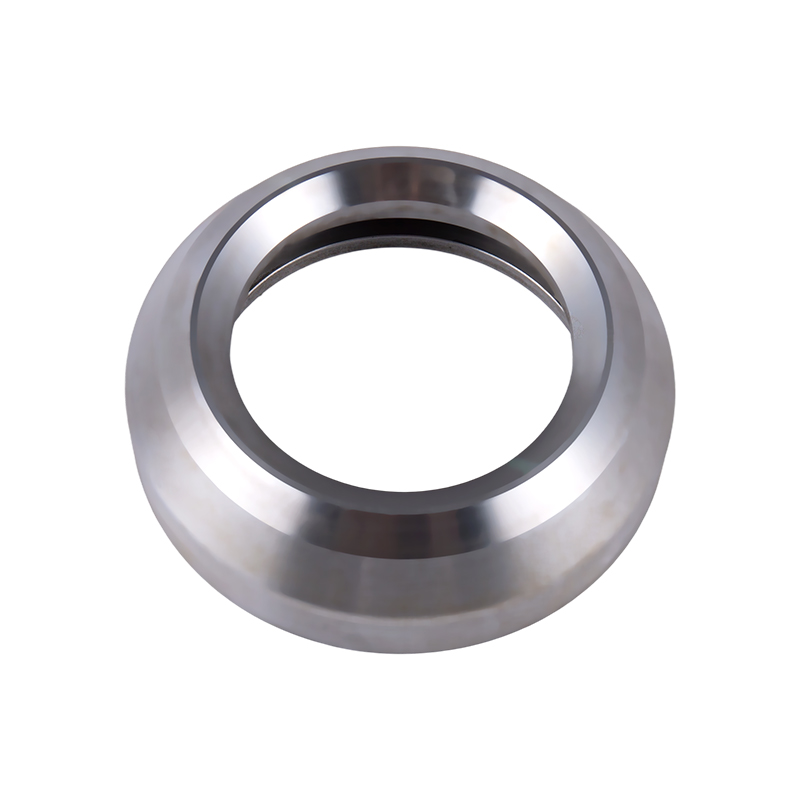

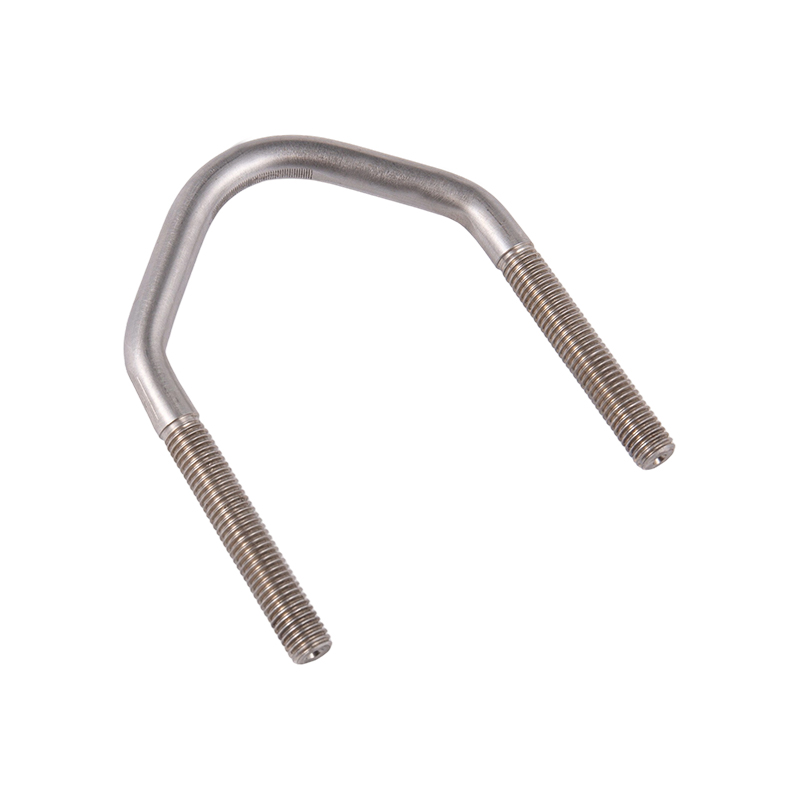

Jiaxing Baihui Machinery Manufacturing Co., Ltd. was founded in 2007. With its own efforts and unremitting pursuit of innovation, Baihui Machinery has become what it is today. It is a professional enterprise that mainly produces forging flanges, tube sheets, special-shaped forgings, die forgings, and special-shaped gaskets. The products are widely used in pressure vessels, electricity, wind power generation, petrochemicals, light industry, instrumentation, food, environmental protection, machinery, metallurgy, nuclear power and other fields. High Performance Thick Large Tube Plates Suppliers and High Performance Thick Large Tube Plates Company in China.
Commonly used steel pipe materials for thermal power plants include P11, P12, WB36, and P92. Turbine rotor materials include 34CrMo1A, 34CrNi3Mo, 30Cr1Mo1V, 25Cr2Ni4MoV, and 30Cr2Ni4MoV. Non-magnetic retaining ring materials include 50Mn18Cr4 and 1Mn18Cr18. Turbine blades include 1Cr13, 2Cr13, 1Cr12Mo, C422, 1Cr12Ni3MoVN, and 1Cr12Ni2MoVNbN. Nuclear-grade forgings include 16MND5 (SA508Gr3), 18MND5, 06Cr18Ni11Nb, 20CrNi2Mo, and TP316LN. Nuclear-grade bars include 42CrMo4, 42CDV4, 40NCD7-03, A48AP, and 05Cr15Ni4Mo. Common materials for centrifuges include 1.4418 and 1Cr17Ni2. Common standards for pressure equipment include NB/T47008, NB/T47009, and NB/T47010. Nickel-based materials comply with NB/T47028 and ASME B, respectively. Aluminum-based materials comply with NB/T47029 and ASME B. In addition to conventional carbon steel, 304, 316L, and 316N are also available.
Our company's main equipment includes hammers, air hammers, hydraulic presses, CNC high-speed drilling and washing, machining centers, CNC drilling machines, CNC lathes, digital display vertical lathes, horizontal lathes and other processing equipment. The company also has various professional heat treatment equipment, as well as direct reading spectrometers, ultrasonic flaw detectors, microcomputer electronic universal testing machines, low-temperature impact testing machines, infrared carbon and sulfur analyzers, metallographic testers and other advanced physical and chemical analysis and testing equipment.
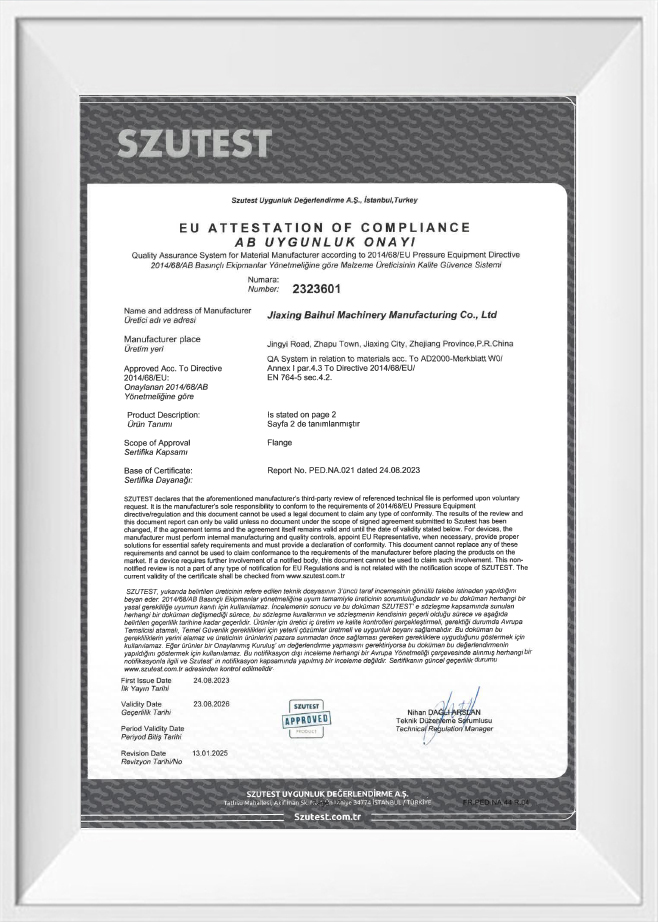
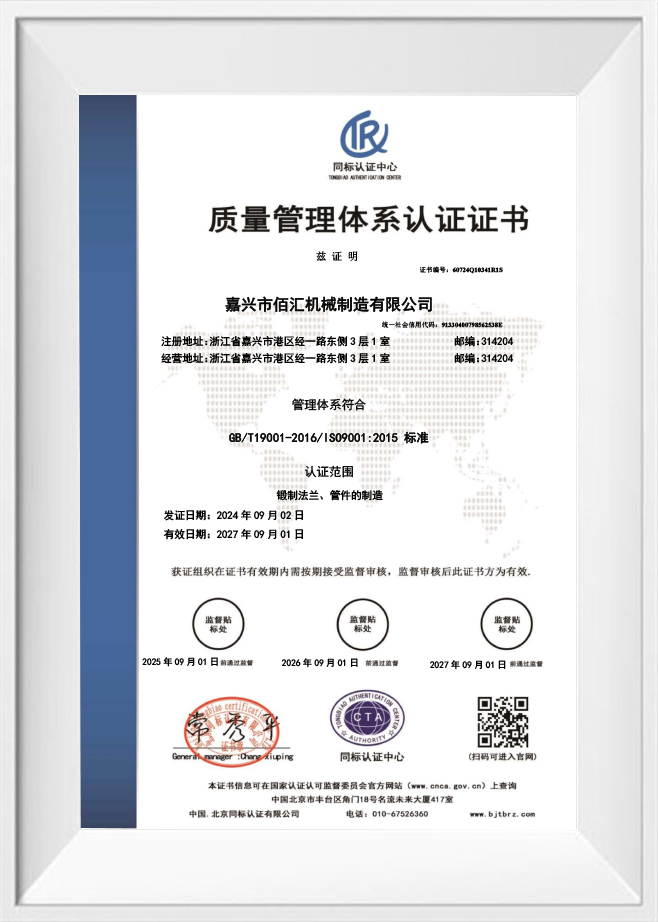
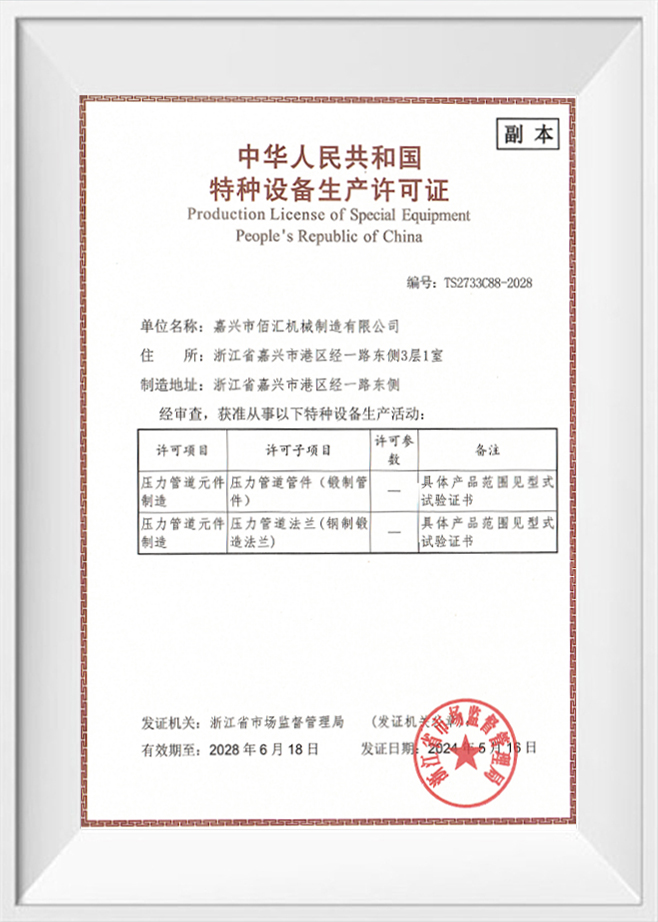
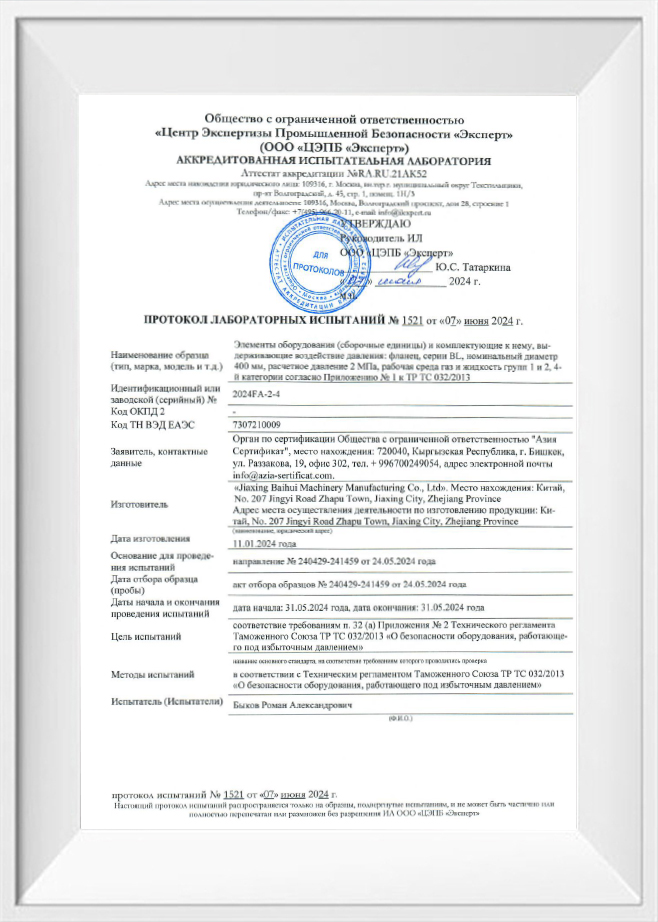
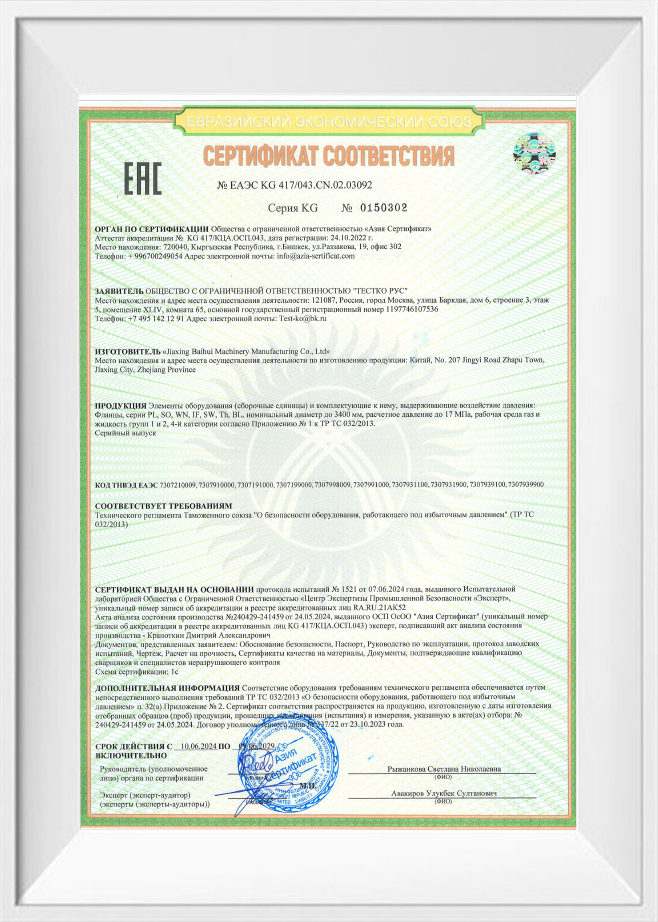
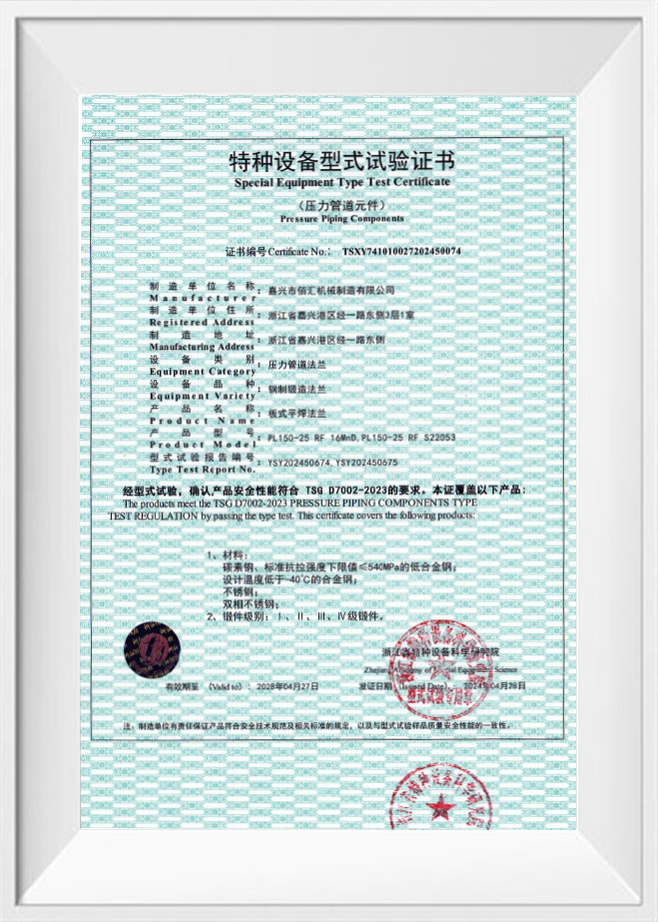
While the company is equipped with industry-leading raw material testing equipment, heat treatment, and machining equipment, it has also hired experienced senior talents of all kinds, cultivated a professional management team, and wholeheartedly provides customers with comprehensive services in product development and manufacturing. The company fully implements the ISO9001 management system, has been listed as a qualified supplier of China National Nuclear Corporation, and has obtained the Class B certificate of the Special Equipment Manufacturing License of the People's Republic of China, CE certification, and Russia's CUTR032 certification. Support High Performance Thick Large Tube Plates OEM/ODM.
Relying on a good business philosophy and strict management of excellence, Baihui Machinery has relied on strong technical strength and the purpose of survival in adversity and development in stability in just a few years. The company's comprehensive strength has been rapidly improved and has taken a solid step forward.
Its primary function is to support and securely hold the heat exchanger tubes in place while separating the tube-side fluid from the shell-side fluid. The accuracy of the tube sheet's drilling is paramount to prevent leaks and ensure the integrity and efficiency of the entire heat transfer process.
The choice of material is based on the specific operating conditions of the heat exchanger, such as the corrosiveness of the fluids and the operating temperatures and pressures. A well-designed tube sheet must have sufficient thickness and structural strength to withstand the significant stresses and pressures it will be subjected to during operation.
These components are vital in numerous industries, including petrochemicals, power generation, and HVAC (heating, ventilation, and air conditioning). They are found in equipment like condensers, boilers, and evaporators. When selecting a tube sheet, key factors to consider are the fluid characteristics, the operating temperature and pressure, and the specifications of the heat exchanger tubes themselves.