English
 Español

Need Help Now? Call Us!
+86-573-8553-5198
Need Help Now? Call Us!
+86-573-8553-5198
Our team proudly offers an on-time guarantee and a 100% customer satisfaction guarantee.
Contact Online


Content
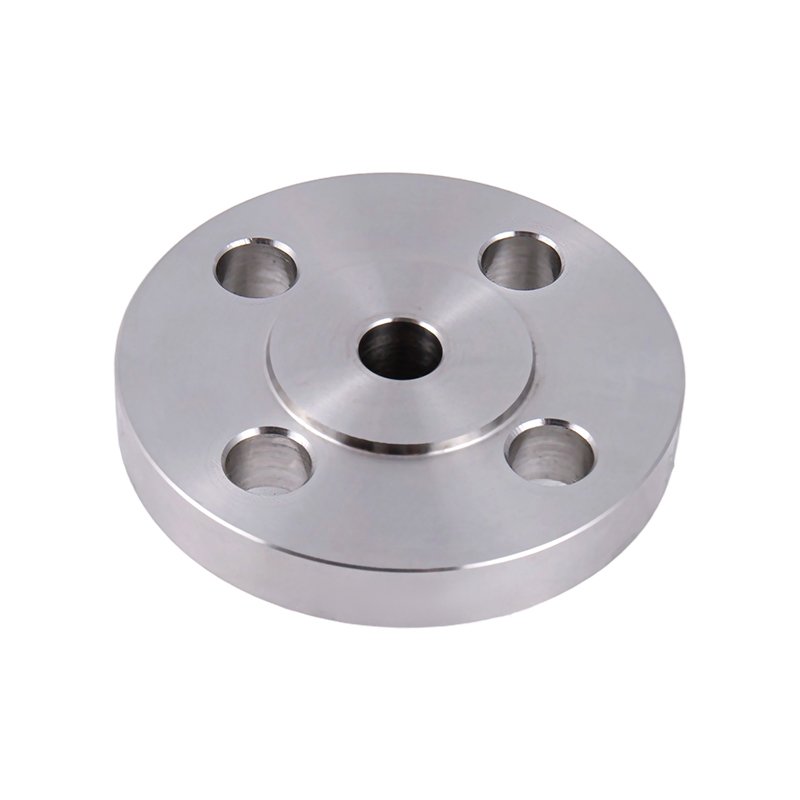
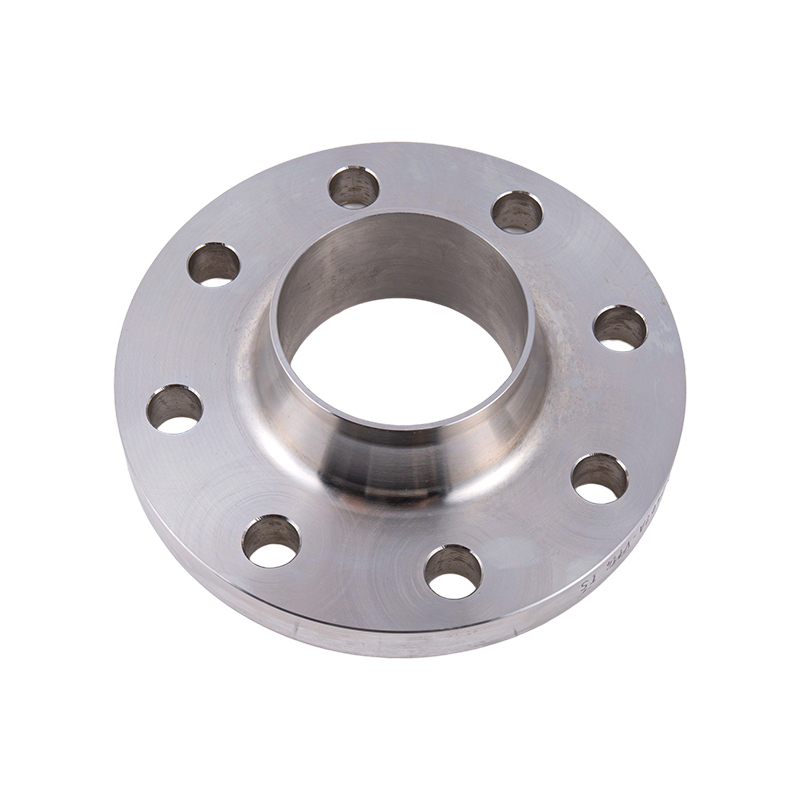
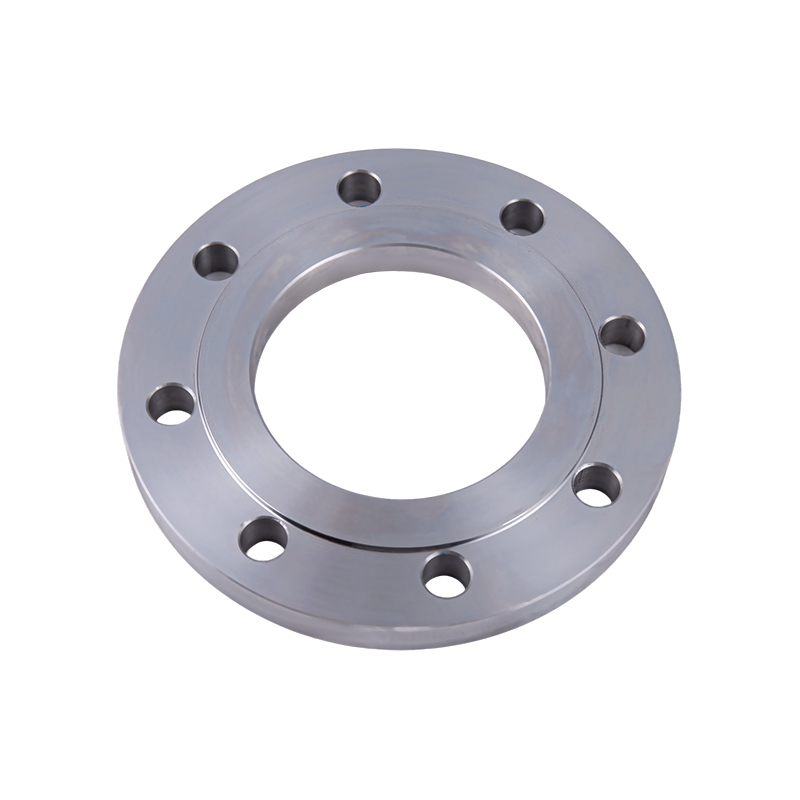
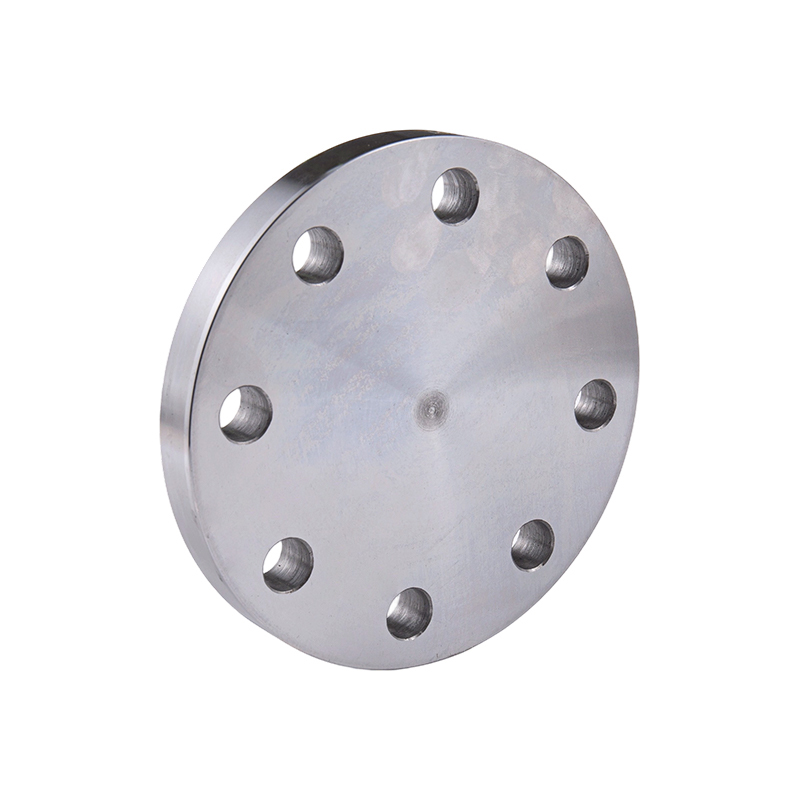
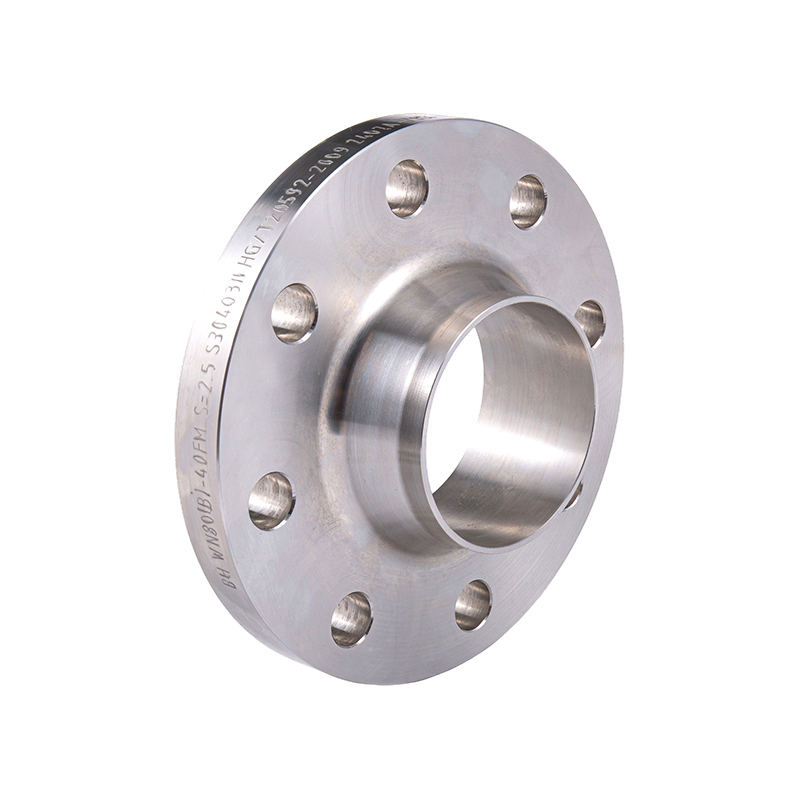
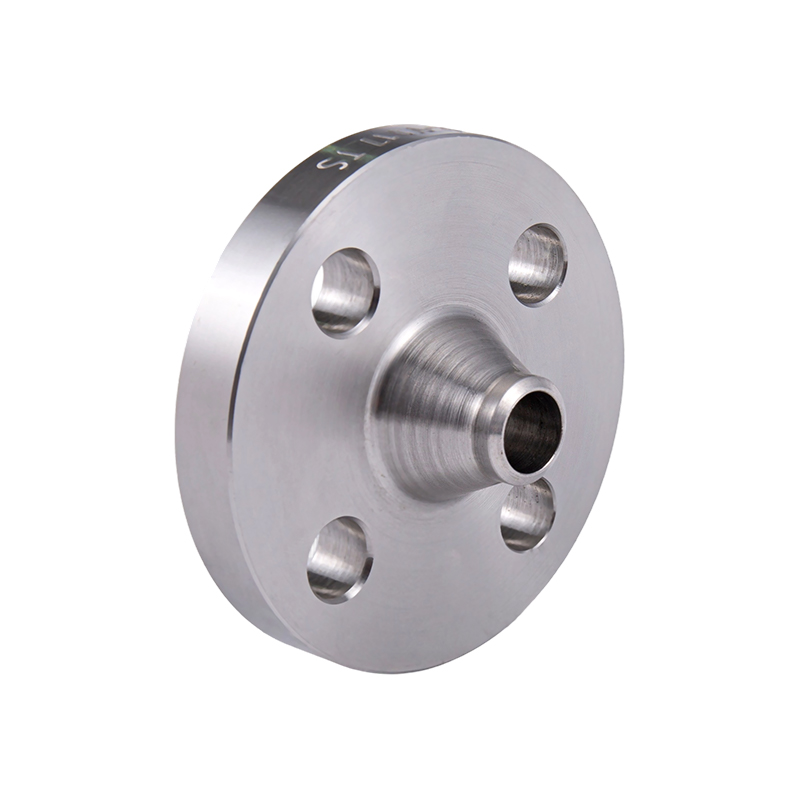
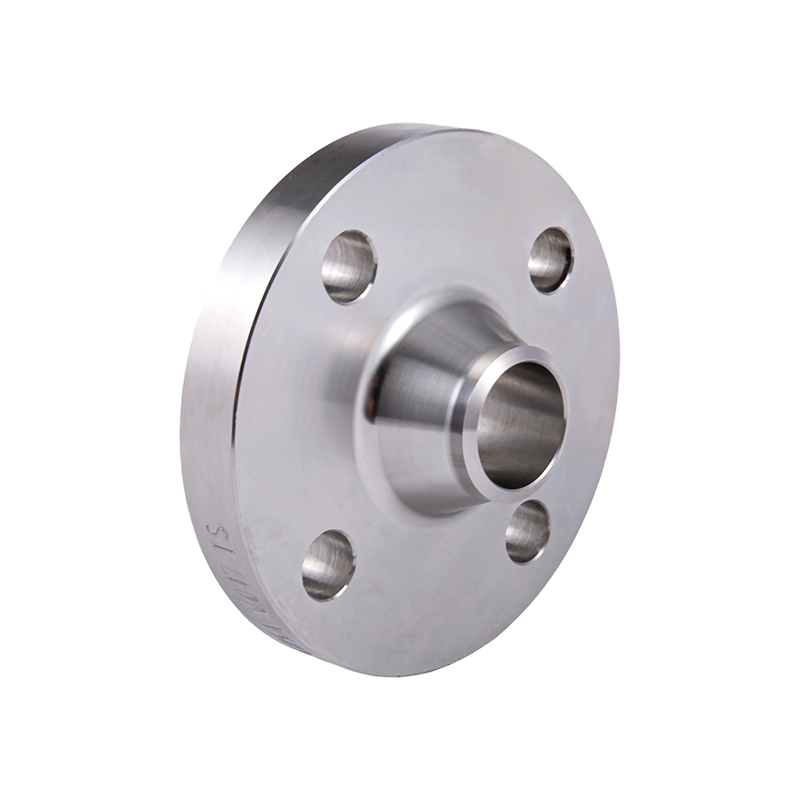
Modern industrial facilities are no longer satisfied with components that simply meet dimensional and pressure specifications. As plants invest in digital infrastructure—connecting equipment, sensors, and control systems into unified data environments—the demand for traceable, verifiable components has grown sharply. Stainless steel forged flanges sit at the intersection of this trend. They are critical pressure boundary components used in piping systems across oil and gas, chemical processing, pharmaceutical manufacturing, food production, and power generation. In smart plant environments, where data integrity and auditability are operational priorities, the ability to trace every flange back to its raw material heat, forging process, and inspection records is becoming a baseline procurement requirement rather than a premium option.
Digital traceability transforms stainless steel forged flanges from passive mechanical components into data-carrying assets. Each flange in a traced supply chain is linked to a unique identifier—typically a QR code, data matrix code, or RFID tag—that connects to a cloud-hosted or enterprise-hosted record containing the complete material and manufacturing history. This shift has profound implications for plant integrity management, regulatory compliance, and total lifecycle cost, and it explains why leading engineering procurement contractors and plant operators are now specifying digitally traced flanges as standard on new projects.
Digital traceability for stainless steel forged flanges refers to the unbroken chain of recorded information that follows a flange from raw material selection through to installation and in-service inspection. At the foundational level, this includes the mill test report (MTR) for the stainless steel billet or bar stock used in forging, confirming chemical composition and mechanical properties against the relevant material standard—most commonly ASTM A182 for stainless steel forged flanges used in pressure piping applications. The MTR documents the heat number, which is the batch identifier assigned by the steel mill to a specific melt, enabling any delivered flange to be cross-referenced back to the exact steel production lot.
Beyond the material certificate, a fully digitally traced stainless steel forged flange carries records of the forging process parameters, heat treatment cycles, dimensional inspection results, non-destructive examination (NDE) findings, and surface finish verification. In smart plant deployments, all of these records are linked to the physical component through a permanent marking that survives installation, insulation, and years of in-service exposure. When a maintenance engineer scans the flange identifier with a mobile device, the complete dossier is retrieved instantly—no paper files, no manual cross-referencing, no ambiguity about whether the installed component matches its documentation.
The mechanical superiority of forged flanges over cast or fabricated alternatives is the foundation upon which traceability adds value. Forging aligns the grain structure of the stainless steel along the contours of the finished component, producing a denser, more homogeneous microstructure with superior tensile strength, impact resistance, and fatigue life compared to casting. This matters in high-pressure, high-temperature, or cyclic service conditions where cast components may harbor porosity, shrinkage cavities, or segregation zones that are invisible to surface inspection but become failure initiation sites under load.
Stainless steel forged flanges also offer superior corrosion resistance consistency. Because the forging process works the material uniformly, the passive oxide layer that gives stainless steel its corrosion resistance forms more consistently across the entire flange surface. In aggressive chemical or marine environments, this translates directly into longer service life and fewer maintenance interventions. Digital traceability amplifies this inherent material advantage by ensuring that the stated grade—whether 304, 316L, 321, or duplex 2205—is verifiably what is installed, not a substituted or mislabeled alternative.
The global market for stainless steel forged flanges includes a significant volume of counterfeit, mislabeled, and substandard product. Investigations by industry bodies and government regulators in multiple countries have documented cases where flanges marked as stainless steel—and stamped with pressure ratings and material grades—were manufactured from carbon steel or low-alloy substitutes, with surface coatings or plating applied to mimic the appearance of stainless steel. In piping systems carrying corrosive media, cryogenic fluids, or high-pressure steam, the installation of such components creates serious safety risks that may not manifest until the coating degrades or the component is subjected to a hydrostatic test or an in-service pressure excursion.
Digital traceability directly addresses this risk. When every stainless steel forged flange in a procurement batch is linked to a verifiable MTR from an approved mill, cross-referenced against the heat number stamped on the component, and validated through portable XRF (X-ray fluorescence) analysis at goods receipt, the probability of counterfeit product entering the plant is dramatically reduced. Smart plant procurement systems can automate portions of this validation workflow, flagging any flange whose digital record does not match its physical marking or whose MTR originates from an unapproved supplier.
The practical differences between specifying digitally traced and conventional untraced stainless steel forged flanges become apparent across the full project and asset lifecycle:
| Lifecycle Stage | Untraced Flanges | Digitally Traced Flanges |
| Goods receipt verification | Manual certificate matching, error-prone | Automated scan-to-record validation |
| Material authentication | Relies on supplier documentation integrity | XRF validation cross-referenced to digital MTR |
| Installation records | Paper-based, often incomplete | Digital, linked to plant asset register |
| In-service inspection | Component history reconstruction required | Instant history retrieval via scan |
| Regulatory audit response | Slow, document-intensive | Rapid digital record retrieval |
| End-of-life assessment | Uncertain service history | Complete lifecycle data available |
Regulatory frameworks governing pressure equipment in major industrial markets are increasingly aligning with the principles of digital traceability. In the European Union, the Pressure Equipment Directive (PED) and its successor regulations require documented conformity for pressure-bearing components, with material certification and inspection records forming part of the technical file that must be retained for the lifetime of the equipment. In the United States, ASME B31.3 Process Piping and the ASME Boiler and Pressure Vessel Code set out material documentation requirements that, while not yet mandating digital formats, are entirely compatible with digital traceability systems and increasingly referenced in owner-user specifications that go beyond the code minimum.
Industries with the most stringent regulatory oversight—nuclear power, offshore oil and gas, pharmaceutical, and aerospace—have led the adoption of digitally traced stainless steel forged flanges precisely because their regulatory environments demand the highest levels of component auditability. As regulatory expectations in other sectors continue to rise, particularly around process safety management and mechanical integrity programs, the specification of digitally traced flanges is migrating from niche premium practice to mainstream procurement standard.
Plants considering the transition to digitally traced stainless steel forged flanges should evaluate several practical factors to ensure the implementation delivers its intended benefits without creating new administrative burdens. The starting point is supplier qualification: not all manufacturers of stainless steel forged flanges have the digital infrastructure to generate, store, and transmit structured traceability data. Approved supplier lists should be updated to include capability assessments covering digital record generation, marking permanence, and data format compatibility with the plant's asset management system.
Key implementation steps for a successful transition include:
The investment required to implement digitally traced stainless steel forged flange procurement is modest relative to the risk reduction and operational efficiency gains delivered. For plants that already operate digital asset management platforms, the integration of flange traceability data is largely a configuration exercise rather than a new technology deployment. The most significant change is typically in supplier engagement and procurement specification language—shifts that deliver compounding returns as the plant's installed base of traced components grows and the completeness of its component data ecosystem improves over successive maintenance and inspection cycles.
Products
Contact info.
+86-573-8553-5198
+86-136-1655-8299
+86-573-8553 5198
No. 207, Chuangye Road, Zhapu Town, Pinghu City, Zhejiang Province, China
QR Code
 Forged Stainless Steel Flanges Suppliers