English
 Español

Need Help Now? Call Us!
+86-573-8553-5198
Need Help Now? Call Us!
+86-573-8553-5198
Our team proudly offers an on-time guarantee and a 100% customer satisfaction guarantee.
Contact Online


Content
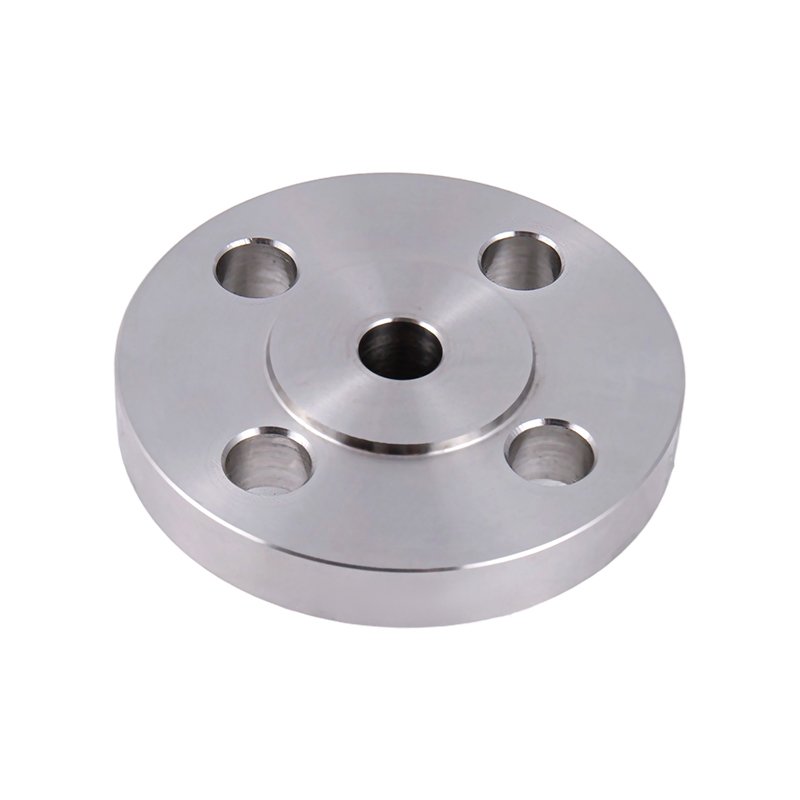
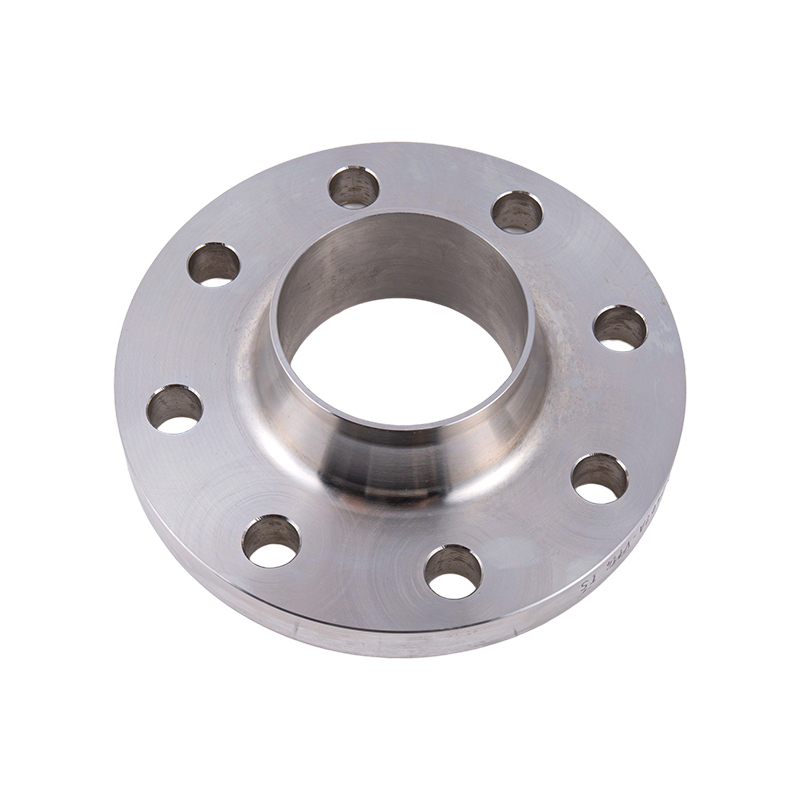
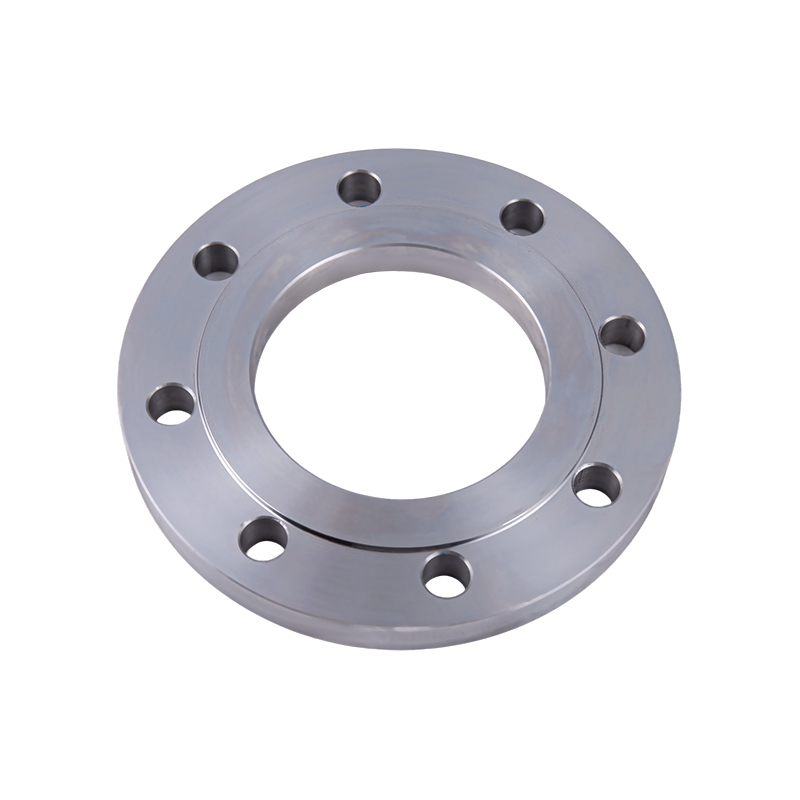
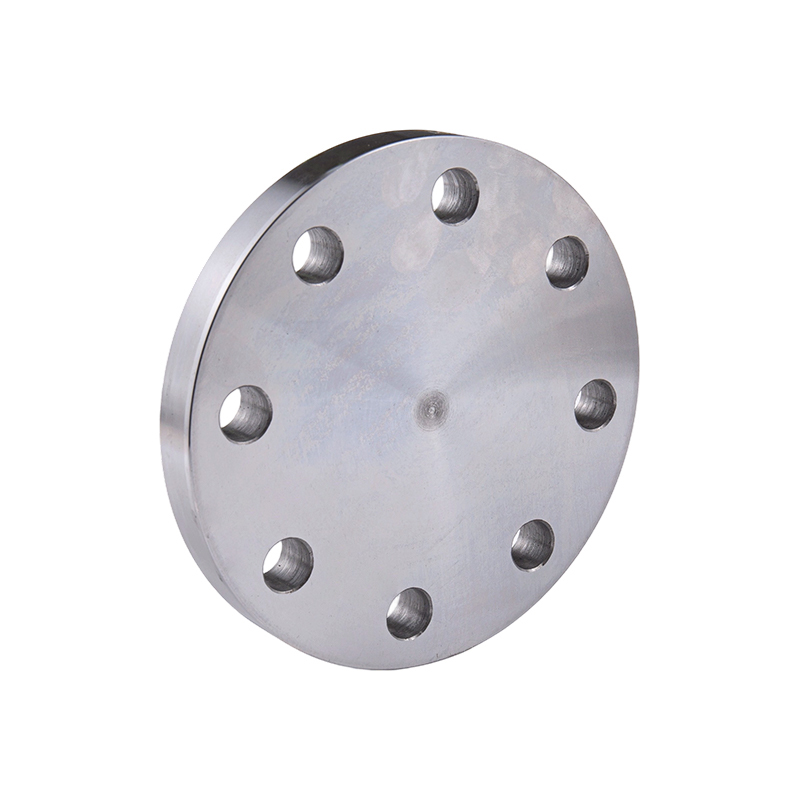
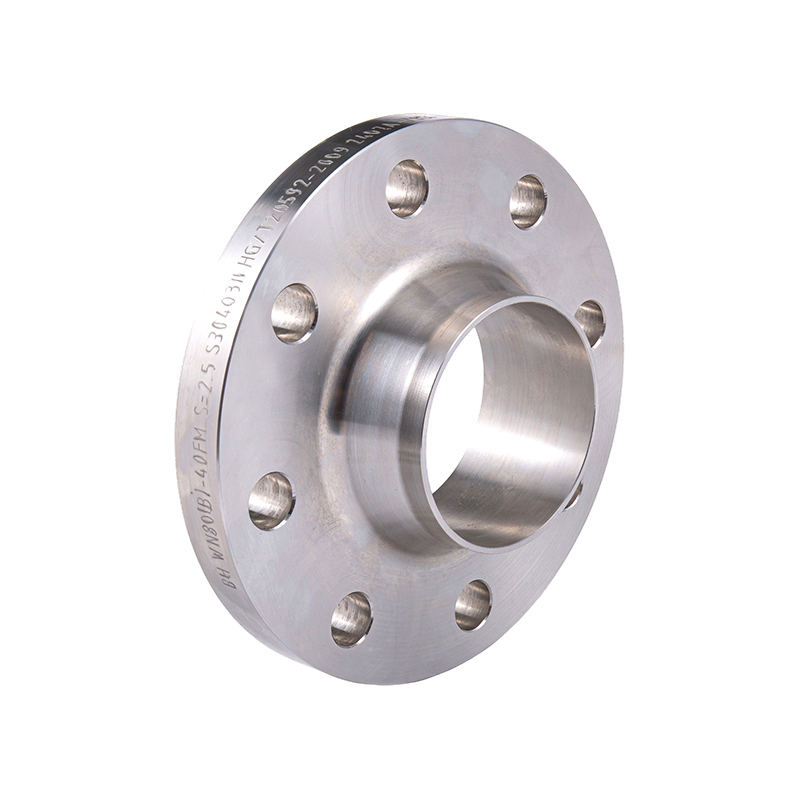
Selecting the appropriate connection method is one of the most critical decisions in piping system design. Flanged Pipe Fittings and threaded fittings are two widely used connection types, each offering unique advantages depending on system pressure, temperature, maintenance requirements, and installation conditions. Flanged Pipe Fittings use bolted flange connections with gaskets to create a secure seal, while threaded fittings rely on screw-type connections that join pipes through internal and external threads.
Understanding the structural and functional differences between these two options helps engineers, contractors, and maintenance teams choose the most reliable and cost-effective solution for industrial, commercial, or residential piping systems.
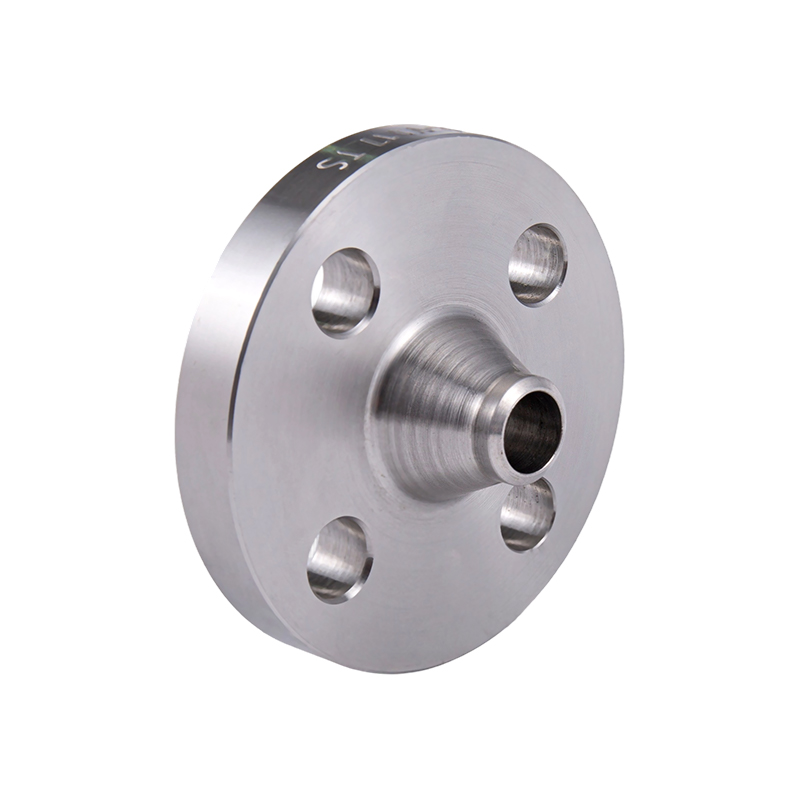
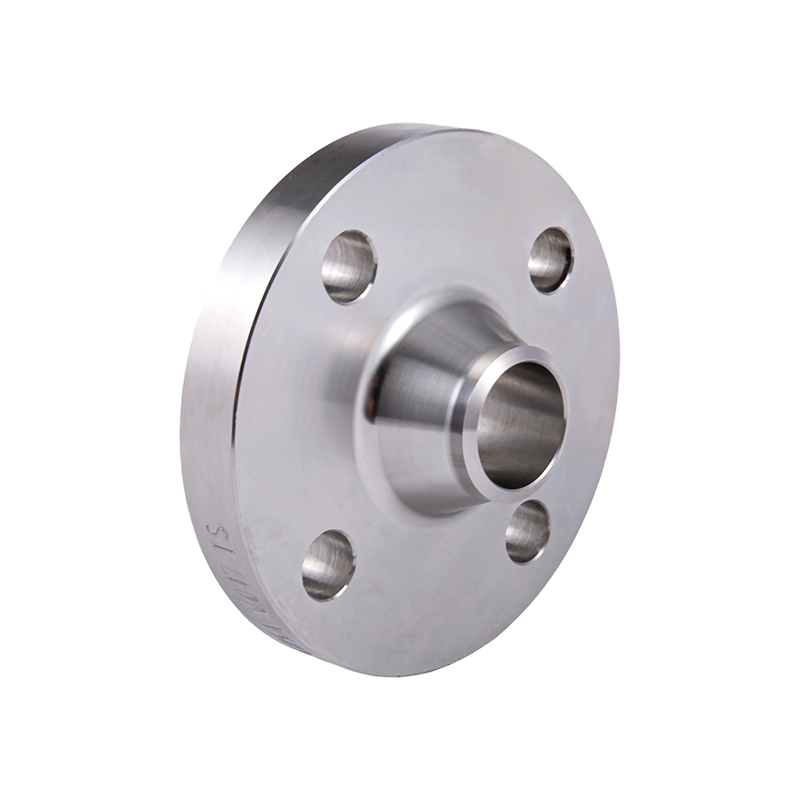
Flanged Pipe Fittings consist of flanges welded or attached to pipe ends, connected using bolts and nuts with a gasket placed between mating surfaces. This design provides strong mechanical stability and uniform load distribution across the sealing surface, making it suitable for high-pressure and large-diameter applications.
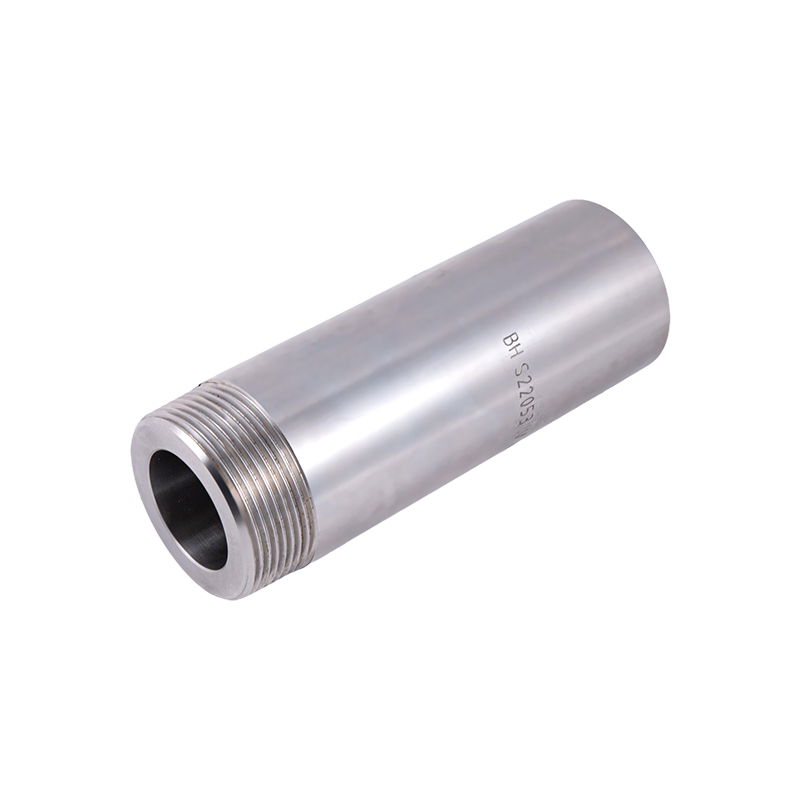
Threaded fittings connect pipes through tapered or straight threads. They are commonly used in smaller diameter piping systems where welding may not be practical. Threaded connections are typically faster to install but may not offer the same strength or leak resistance under extreme operating conditions.
One of the most significant differences between Flanged Pipe Fittings and threaded fittings is their ability to withstand demanding environments. Flanged systems perform exceptionally well under high pressure and temperature because the bolted design distributes stress evenly and maintains gasket compression.
Threaded fittings, on the other hand, are more vulnerable to leakage when exposed to vibration, thermal expansion, or repeated pressure fluctuations. Thread deformation or sealant deterioration can compromise joint integrity over time, especially in aggressive industrial environments.
Installation considerations often influence the decision between these two connection types. Threaded fittings typically require fewer tools and less specialized labor, making them convenient for smaller projects or quick repairs. However, achieving proper alignment and sealing still requires precision.
Flanged Pipe Fittings require more preparation, including flange alignment, gasket placement, and controlled bolt tightening sequences. Although installation may take longer, the resulting connection is usually more robust and easier to disassemble for maintenance compared to welded alternatives.
| Factor | Flanged Pipe Fittings | Threaded Fittings |
| Installation Time | Moderate to High | Low |
| Skill Requirement | Higher | Moderate |
| Disassembly | Easy | Moderate |
| Alignment Flexibility | High | Limited |
Leak prevention is a major concern in industries such as oil and gas, chemical processing, and power generation. Flanged Pipe Fittings provide superior sealing performance due to gasket compression and controlled bolt torque. They also allow periodic retightening if leakage occurs.
Threaded fittings rely heavily on thread sealants or tape, which can degrade over time or under chemical exposure. In systems carrying hazardous fluids, this potential weakness makes flanged connections a safer choice.
Initial cost comparisons often show threaded fittings as the more economical option due to lower material and labor expenses. However, lifecycle cost analysis frequently favors Flanged Pipe Fittings in industrial environments where maintenance accessibility and durability are critical.
Factors affecting total cost include:
Flanged Pipe Fittings are commonly used in heavy industrial systems, including:
Threaded fittings are frequently selected for:
Material selection plays a crucial role in both flanged and threaded systems. Flanged Pipe Fittings are available in carbon steel, stainless steel, alloy steel, and specialized corrosion-resistant materials. Threaded fittings are also offered in various materials, but their performance limitations often depend more heavily on thread integrity than material strength alone.
Industry standards such as ANSI, ASME, DIN, and ISO define dimensions, pressure ratings, and testing requirements for both connection types. Compliance with recognized standards ensures compatibility, safety, and reliable system performance.
When deciding whether Flanged Pipe Fittings or threaded fittings are right for your piping system, engineers should evaluate several critical parameters:
There is no universal answer to whether Flanged Pipe Fittings or threaded fittings are better. The optimal choice depends entirely on the application environment, performance expectations, and long-term operational goals. For demanding industrial systems where reliability, safety, and maintenance accessibility are priorities, flanged connections typically provide superior value. Conversely, for smaller-scale or low-pressure applications, threaded fittings offer convenience and cost efficiency.
Careful evaluation of engineering requirements, combined with adherence to industry standards and proper installation practices, ensures that the selected piping connection method delivers reliable performance throughout the system’s lifespan.
Products
Contact info.
+86-573-8553-5198
+86-136-1655-8299
+86-573-8553 5198
No. 207, Chuangye Road, Zhapu Town, Pinghu City, Zhejiang Province, China
QR Code
 Forged Stainless Steel Flanges Suppliers