English
 Español

Need Help Now? Call Us!
+86-573-8553-5198
Need Help Now? Call Us!
+86-573-8553-5198
Our team proudly offers an on-time guarantee and a 100% customer satisfaction guarantee.
Contact Online


Content
Offshore wind energy infrastructure operates in one of the most hostile environments that any engineered system must endure. Constant saltwater spray, tidal immersion, extreme temperature cycling, high wind-induced structural loads, and the relentless biological fouling activity of the marine environment all conspire to degrade components that would last decades in a benign onshore installation. Among the most critically stressed components in any offshore wind platform are the flanged pipe fittings that connect hydraulic control lines, cooling water circuits, cable conduit systems, monopile transition pieces, and subsea export cable protection assemblies. As turbine ratings climb toward 15 MW and beyond, and as projects push into deeper waters and more exposed Atlantic and Pacific locations, the demands placed on every flanged fitting type in the system escalate correspondingly. The industry is responding with meaningful innovation in materials, geometry, sealing technology, and installation methodology that is fundamentally reshaping what flanged pipe fittings look like and how they perform in offshore wind service.
Corrosion is the dominant degradation mechanism for flanged pipe fittings in offshore wind applications, and it operates through multiple simultaneous pathways that complicate material selection and protective coating strategies. Uniform surface corrosion driven by chloride ion attack is the most visible form, but crevice corrosion — concentrated electrochemical attack in the confined geometry of a flange face gap or beneath a bolt head — is often more destructive because it progresses unseen until structural integrity is already compromised. Galvanic corrosion occurs wherever dissimilar metals are in electrical contact through a conductive electrolyte, making the interface between carbon steel flanged pipe fittings and stainless steel fasteners a particular concern in the splash zone.
The traditional response — carbon steel flanged pipe fittings with hot-dip galvanising or thermally sprayed aluminium coatings — is proving inadequate for the 25 to 30-year design lives now demanded by offshore wind project financiers. Coating systems that perform acceptably in the North Sea's relatively shallow, cold waters show accelerated degradation in the warmer, more corrosive conditions of proposed projects in the South China Sea, Gulf of Mexico, and off the coasts of Australia and Brazil. This geographic expansion of offshore wind is one of the primary drivers pushing the industry toward fundamentally more corrosion-resistant flanged pipe fitting materials rather than relying on protective coatings over conventional steels.
The most significant material shift currently underway in offshore wind flanged pipe fittings is the transition from carbon steel to duplex and super duplex stainless steel grades for applications in the splash zone and submerged zones of monopile foundations and jacket structures. Duplex stainless steels — particularly grades 2205 (UNS S31803) and 2507 (UNS S32750) — offer a combination of corrosion resistance and mechanical strength that makes them compelling for flanged fitting applications where both properties are simultaneously required.
Super duplex grades like 2507 provide pitting resistance equivalent numbers (PREN) above 40, which is widely considered the threshold for reliable resistance to chloride-induced pitting corrosion in seawater service. For flanged pipe fittings in permanently submerged or tidal zone locations, this level of inherent corrosion resistance eliminates the maintenance burden associated with coating inspection, reapplication, and cathodic protection system management that carbon steel systems demand throughout their operational life.
Nickel alloys, particularly Alloy 625 (UNS N06625) and Alloy C-276 (UNS N10276), are increasingly specified for the most aggressive service positions — particularly subsea flanged pipe fittings in export cable protection systems and J-tube seal assemblies where any in-service maintenance access is effectively impossible. The higher material cost of these alloys is justified by the near-elimination of corrosion risk over the full project life.
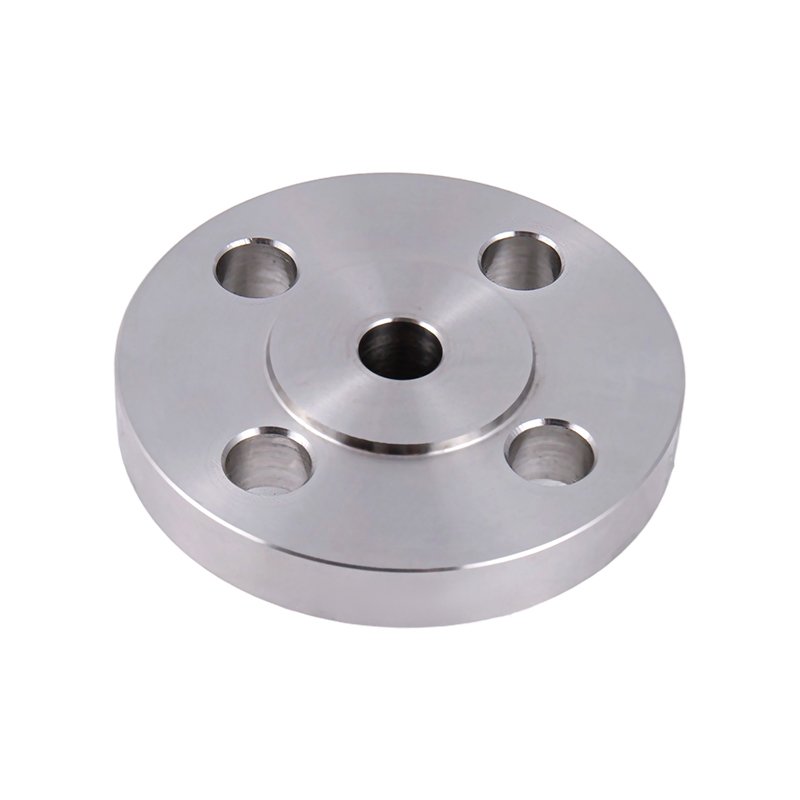
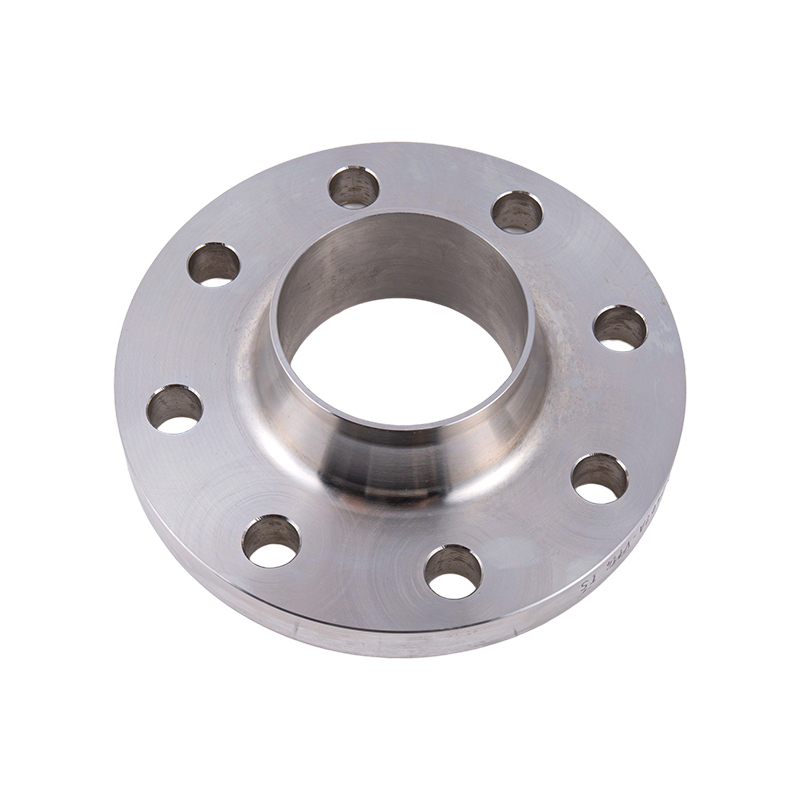
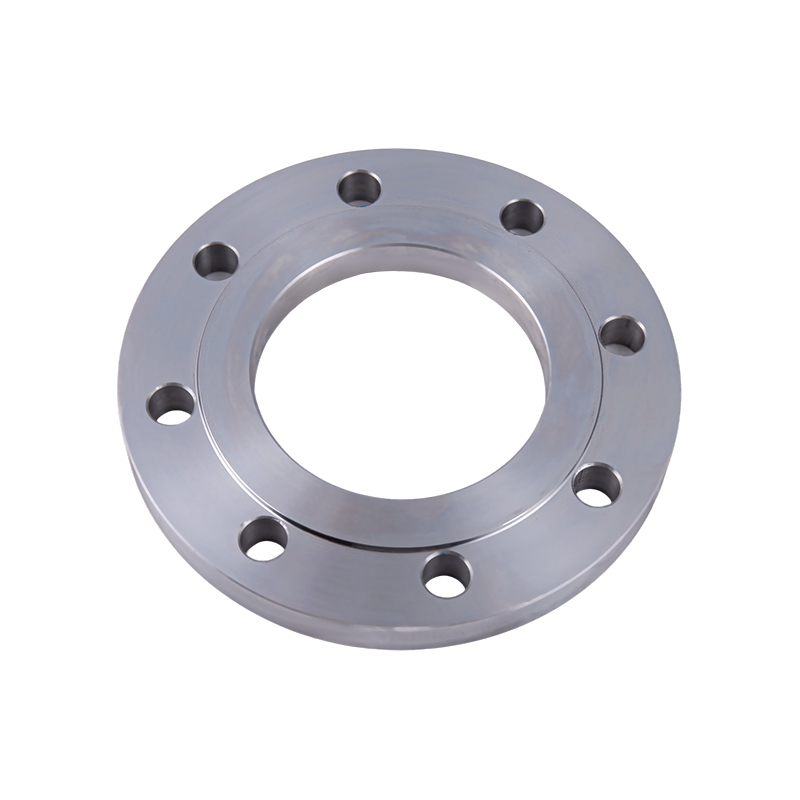
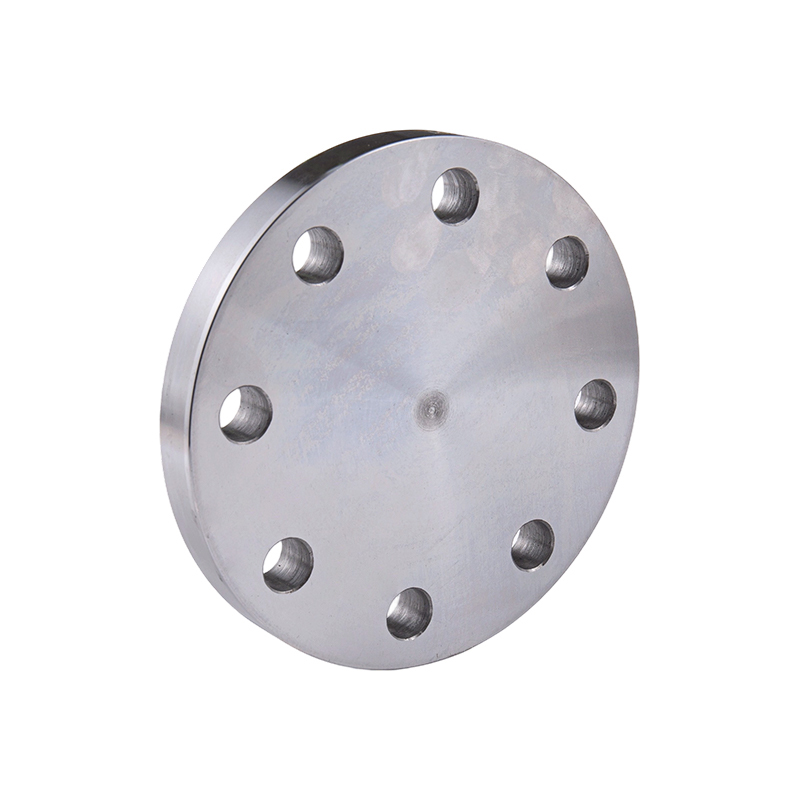
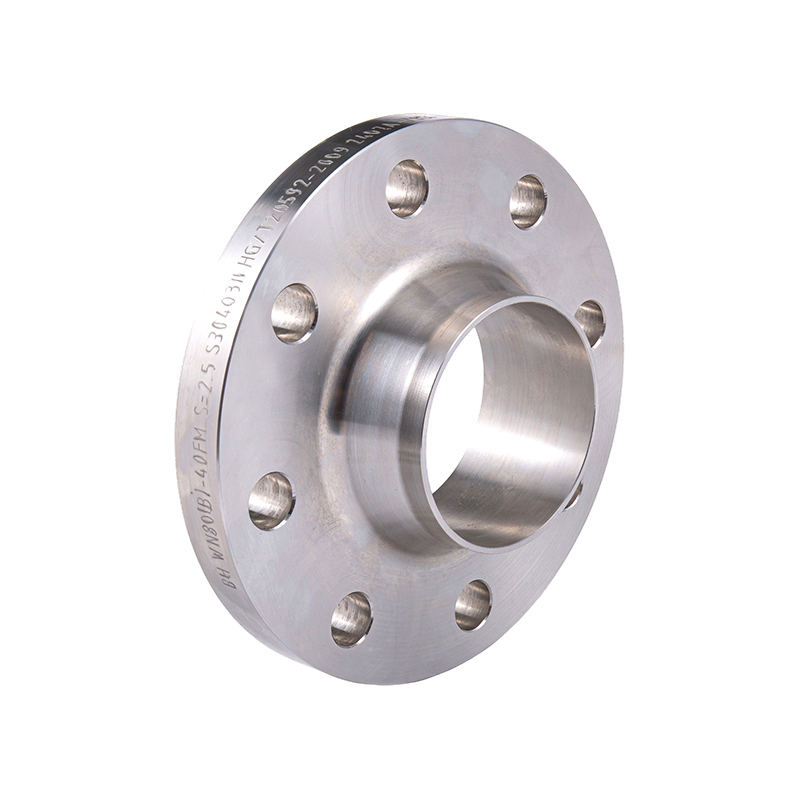
Beyond material changes, the geometric design of flanged fitting types is evolving to address the specific structural and installation challenges of offshore wind. Several distinct flanged fitting categories are seeing active development and refinement for this sector.
The connection between the monopile foundation and the tower transition piece has historically relied on grouted connections rather than bolted flanged pipe fittings. However, documented grout degradation in early North Sea projects has driven a shift toward direct bolted flange connections at this interface. These large-diameter structural flanged pipe fittings — often exceeding 6 metres in diameter for the latest 15 MW turbine monopiles — present unique fabrication and bolt tensioning challenges. New hydraulic tensioning tool designs and digital bolt load monitoring systems are being developed specifically to achieve uniform gasket compression across these enormous flange faces during offshore installation in sea conditions.
Within the transition piece and turbine nacelle, weight is a critical design constraint because every kilogram added to the tower top increases fatigue loading on the foundation and tower structure over the turbine's operational life. Compact flanged pipe fittings — designs that achieve the required pressure rating and sealing performance in a smaller, lighter envelope than traditional ASME B16.5 or EN 1092-1 raised face flanges — are gaining significant traction. Compact flange systems using lens ring or lens profile metal gaskets can achieve the same pressure ratings as standard flanged fitting types at approximately 30–50% of the weight, a difference that has meaningful structural and cost implications when multiplied across hundreds of connections in a large offshore wind turbine.
For export cable protection and inter-array cable management applications at the seabed, flanged pipe fittings must achieve leak-tight performance without any possibility of diver or ROV maintenance access during the operational life of the project. This is driving development of flanged fitting types with integrated secondary sealing systems — typically elastomeric face seals combined with metal ring joint backups — that provide redundant sealing barriers in a single compact assembly. Clamp-hub connector systems derived from oil and gas subsea technology are being adapted and qualified for offshore wind cable protection applications, offering rapid ROV-installable connections that eliminate the conventional bolted flange assembly sequence that is impractical at depth.
Offshore wind projects draw on flanged pipe fittings specified to multiple international standards depending on the service duty, pressure class, and geographic market. Understanding which standard applies to each application is essential for procurement teams and design engineers to ensure compatibility and regulatory compliance.
| Standard | Origin | Typical Application in Offshore Wind | Pressure Classes |
| ASME B16.5 | USA | Topside process and hydraulic piping | Class 150 to 2500 |
| EN 1092-1 | Europe | European project piping systems | PN6 to PN400 |
| ASME B16.47 | USA | Large-bore structural and export piping | Class 75 to 900 |
| NORSOK L-005 | Norway | Compact flanges in weight-critical locations | CL150 to CL1500 |
| ISO 13628 | International | Subsea cable and pipeline connectors | Application specific |
Even the best-designed flanged pipe fittings fail in service if they are not correctly assembled during installation. Offshore wind installation presents unique challenges in this regard — connections must often be made in exposed sea conditions, by personnel working in restricted spaces within transition pieces or on floating installation vessels subject to vessel motion. Incorrect bolt tensioning is one of the leading causes of flanged fitting leakage in offshore service, and the consequences of a leak in a hydraulic control system or cooling water circuit within a turbine are severe in terms of turbine availability and repair access cost.
Several innovations are addressing this challenge directly:
The next frontier for flanged pipe fittings in offshore wind is the integration of embedded sensing technology that allows the structural and sealing condition of critical connections to be monitored continuously without manual inspection. Acoustic emission sensors embedded within flange bodies can detect the characteristic signals of gasket leakage or bolt load relaxation at an early stage, before any process fluid escapes to the environment. Strain gauge arrays bonded to flange bolts provide continuous bolt load data that can be transmitted via the turbine's SCADA system to onshore monitoring centres, enabling predictive maintenance scheduling based on actual measured condition rather than fixed time intervals.
These capabilities align closely with the broader digitalisation strategy being pursued by major offshore wind operators seeking to reduce the frequency and cost of offshore maintenance visits — each of which requires vessel mobilisation, personnel transfer, and potential turbine shutdown. As flanged fitting types continue to evolve in materials, geometry, and embedded intelligence, they are transitioning from commodity components to engineered systems that play an active role in the reliability and operational economics of offshore wind energy infrastructure.
Products
Contact info.
+86-573-8553-5198
+86-136-1655-8299
+86-573-8553 5198
No. 207, Chuangye Road, Zhapu Town, Pinghu City, Zhejiang Province, China
QR Code
 Forged Stainless Steel Flanges Suppliers