English
 Español

Need Help Now? Call Us!
+86-573-8553-5198
Need Help Now? Call Us!
+86-573-8553-5198
Our team proudly offers an on-time guarantee and a 100% customer satisfaction guarantee.
Contact Online


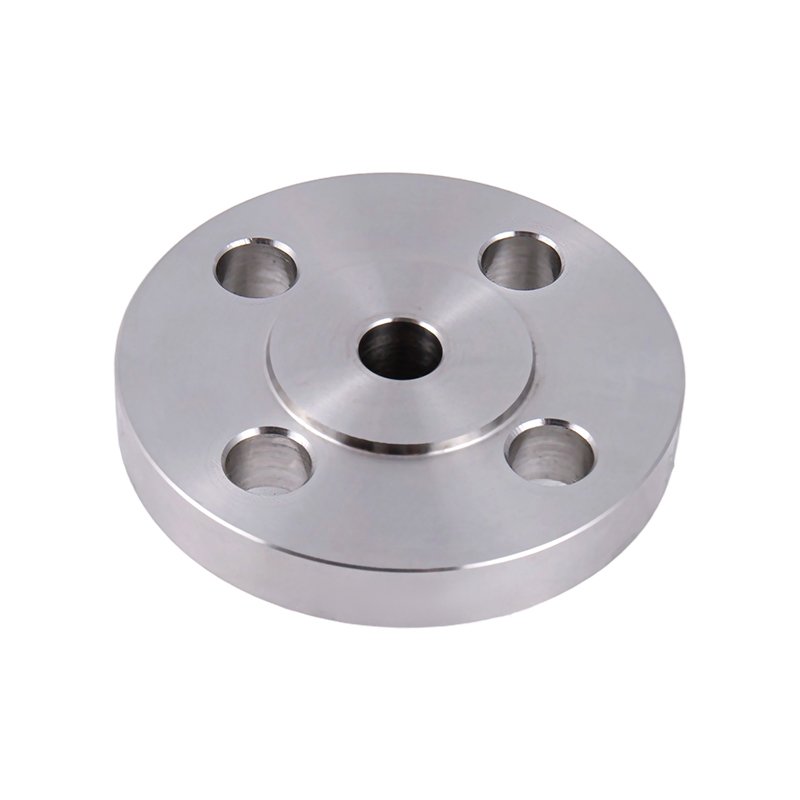
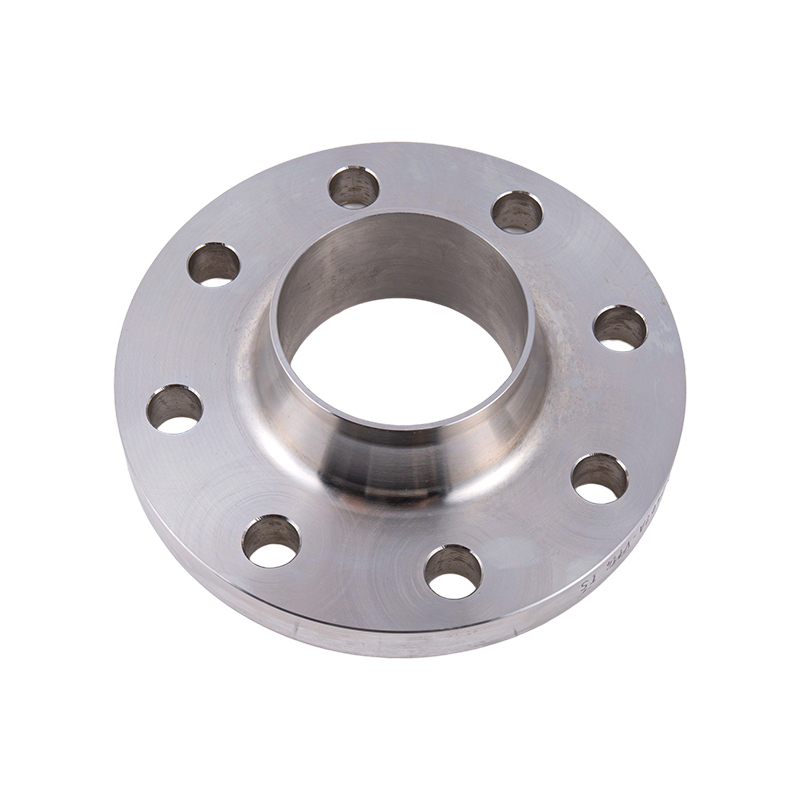
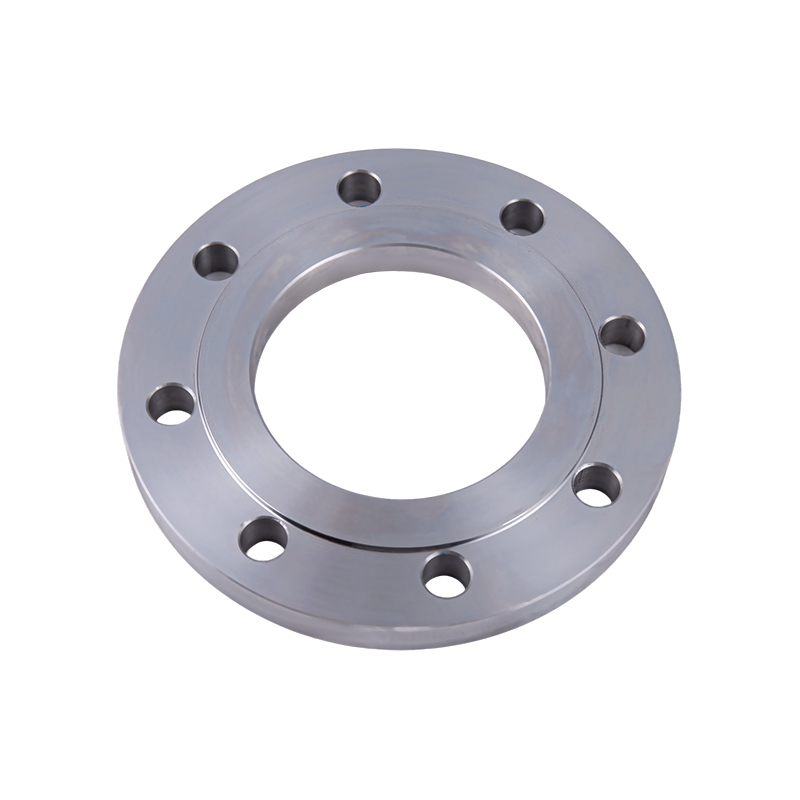
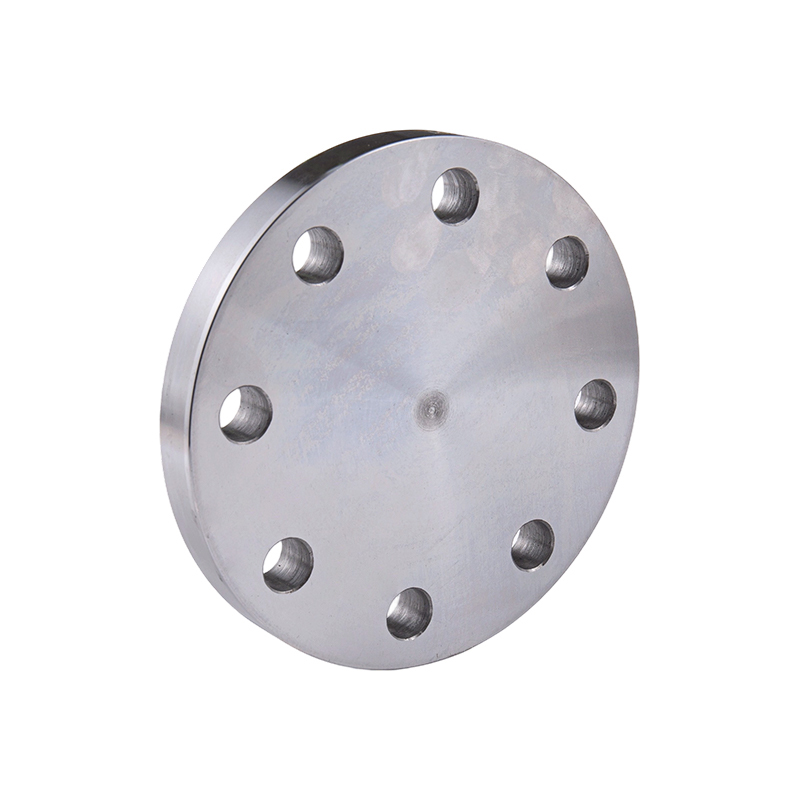
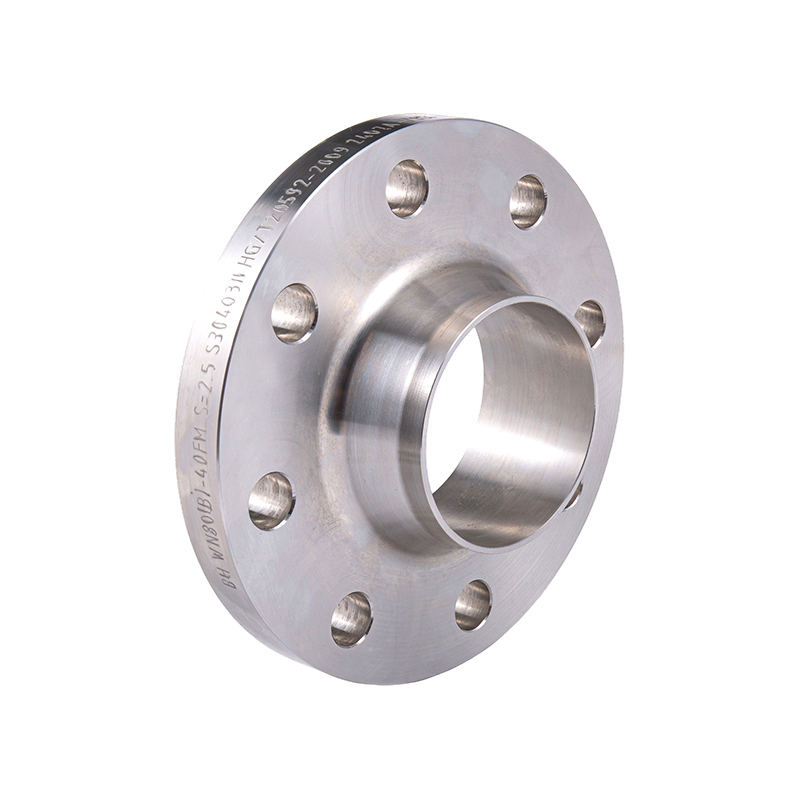
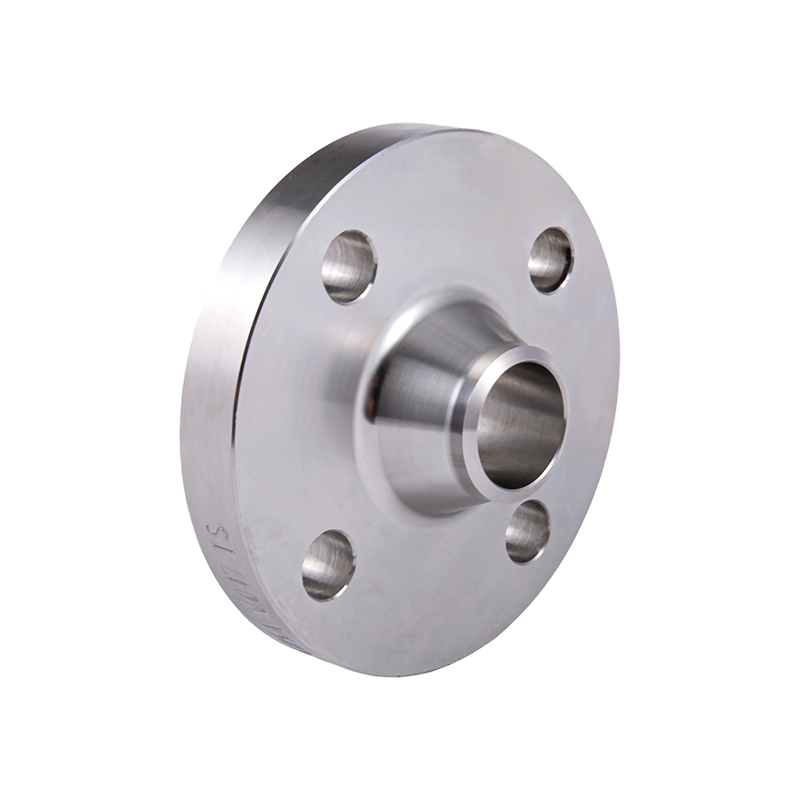
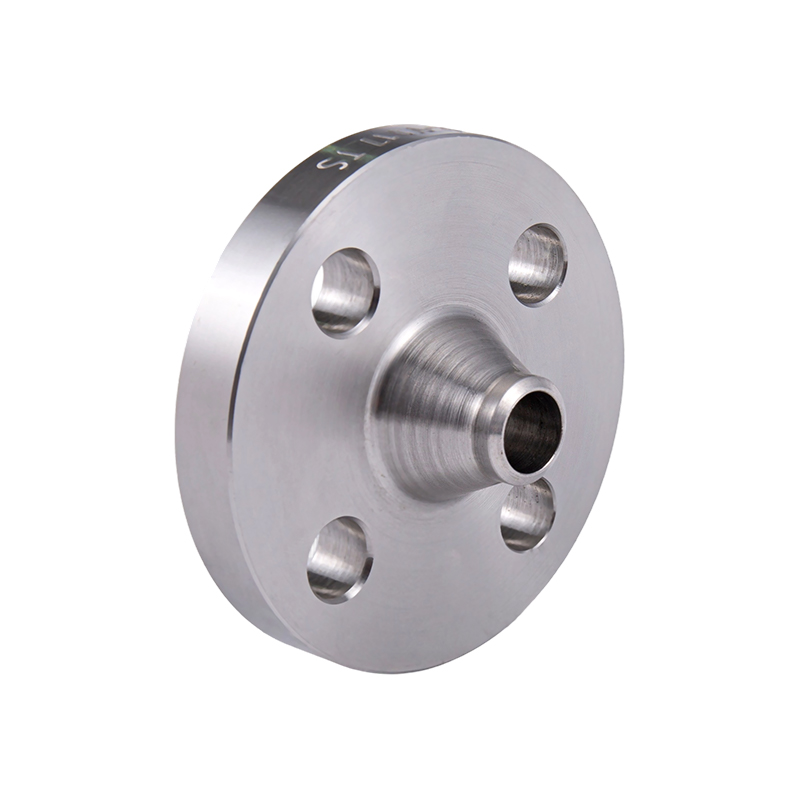
Standard forged flanges are widely recognized as a reliable connection solution in high-pressure piping systems across industries such as oil and gas, petrochemical processing, power generation, and chemical manufacturing. As operating pressures and temperatures continue to increase, the performance requirements for pipeline components have become more demanding. Forged flanges, produced through controlled deformation of metal, offer mechanical strength, dimensional stability, and sealing performance that make them particularly suitable for high-pressure applications.
Content
The primary reason standard forged flanges excel in high-pressure environments lies in the forging process itself. During forging, metal is shaped under high compressive forces, which aligns the internal grain structure along the contour of the flange. This refined grain flow significantly improves tensile strength, fatigue resistance, and impact toughness compared to cast or fabricated alternatives.
In high-pressure systems, components are exposed to constant stress and potential pressure fluctuations. The dense, uniform microstructure of forged flanges reduces the likelihood of internal defects such as porosity or shrinkage cavities, which can become critical failure points under pressure.
High-pressure applications demand components that can safely contain internal forces without deformation or leakage. Standard forged flanges are designed to withstand elevated pressure ratings by combining robust material properties with precise dimensional control. Their strength allows them to maintain structural integrity even when subjected to extreme operating conditions.
Because forged flanges maintain consistent wall thickness and mechanical properties throughout the part, stress distribution remains uniform. This reduces localized stress concentrations that could otherwise lead to cracks or gasket failure.
In high-pressure systems, effective sealing is as critical as mechanical strength. Standard forged flanges provide smooth, accurately machined sealing surfaces that ensure uniform gasket compression. This precision helps prevent leaks that could compromise safety or operational efficiency.
Forged flanges also maintain their flatness and surface integrity under thermal and mechanical stress. As pressure and temperature fluctuate, the flange faces are less likely to warp, preserving gasket performance over extended service periods.
Standard forged flanges are manufactured in accordance with well-established international standards such as ASME, ANSI, EN, and DIN. These standards define pressure classes, dimensions, materials, and testing requirements to ensure safe performance in high-pressure applications.
Compliance with recognized standards simplifies system design, inspection, and certification. Engineers can confidently specify standard forged flanges knowing that their pressure ratings and dimensions have been validated through rigorous industry benchmarks.
| Standard | Pressure Class | Typical Application |
| ASME B16.5 | Class 300 | Process pipelines |
| ASME B16.5 | Class 600 | High-pressure oil and gas |
| EN 1092-1 | PN40 | High-pressure industrial systems |
Standard forged flanges are available in a wide range of materials, including carbon steel, alloy steel, stainless steel, and specialized high-temperature alloys. This material flexibility allows engineers to match flange properties with specific pressure, temperature, and corrosion requirements.
For example, alloy steel forged flanges are commonly used in high-pressure steam and power generation systems, while stainless steel forged flanges are preferred in corrosive or chemically aggressive environments.
In high-pressure installations, unplanned downtime and maintenance can be costly and hazardous. Standard forged flanges contribute to long-term system reliability by offering predictable performance over extended service life. Their resistance to cracking, deformation, and leakage reduces the frequency of inspections and repairs.
This reliability is particularly important in continuous-operation facilities such as refineries and power plants, where pressure-bearing components must perform consistently under demanding conditions.
Because they follow standardized dimensions and specifications, standard forged flanges are easy to integrate into existing piping systems. Interchangeability reduces installation complexity and allows for faster replacement or system expansion without custom fabrication.
For high-pressure projects with strict schedules, this compatibility helps minimize delays and ensures consistent assembly quality across different system sections.
Standard forged flanges are a preferred choice for high-pressure applications because they combine superior material strength, reliable sealing performance, and compliance with international standards. Their forged structure ensures durability under extreme pressure and temperature conditions, while standardized designs simplify system integration and maintenance.
As industries continue to push operational limits, standard forged flanges remain a trusted and practical solution for maintaining safety, efficiency, and long-term reliability in high-pressure piping systems.
Products
Contact info.
+86-573-8553-5198
+86-136-1655-8299
+86-573-8553 5198
No. 207, Chuangye Road, Zhapu Town, Pinghu City, Zhejiang Province, China
QR Code
 Forged Stainless Steel Flanges Suppliers