English
 Español

Need Help Now? Call Us!
+86-573-8553-5198
Need Help Now? Call Us!
+86-573-8553-5198
Our team proudly offers an on-time guarantee and a 100% customer satisfaction guarantee.
Contact Online


Content
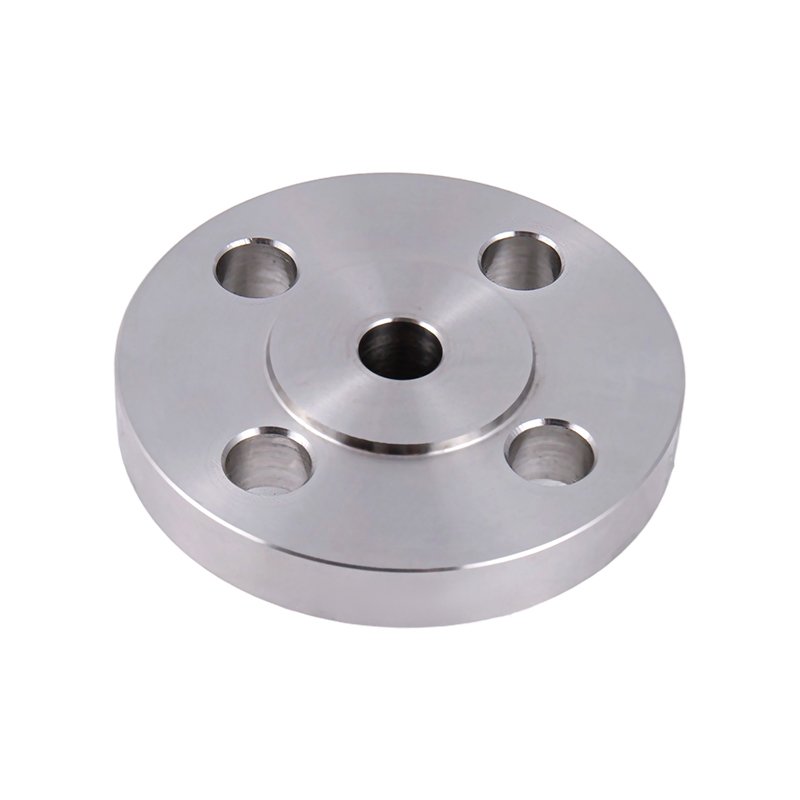
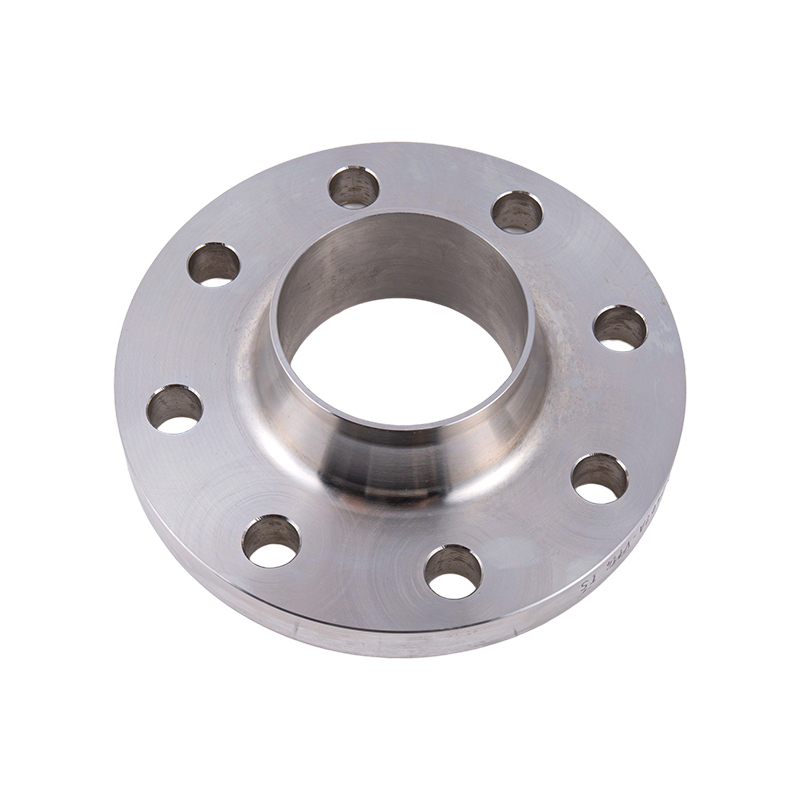
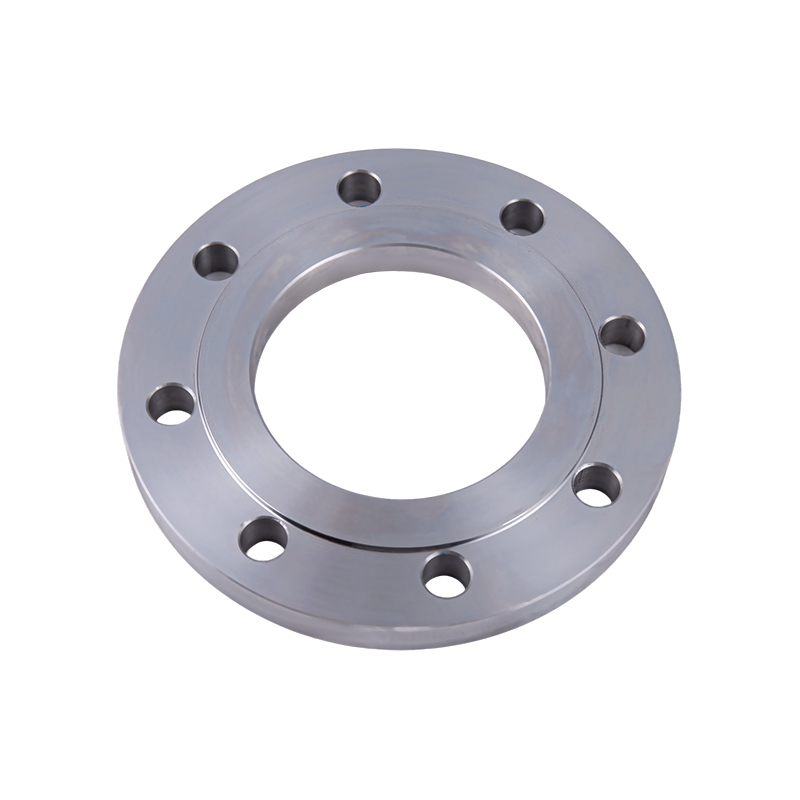
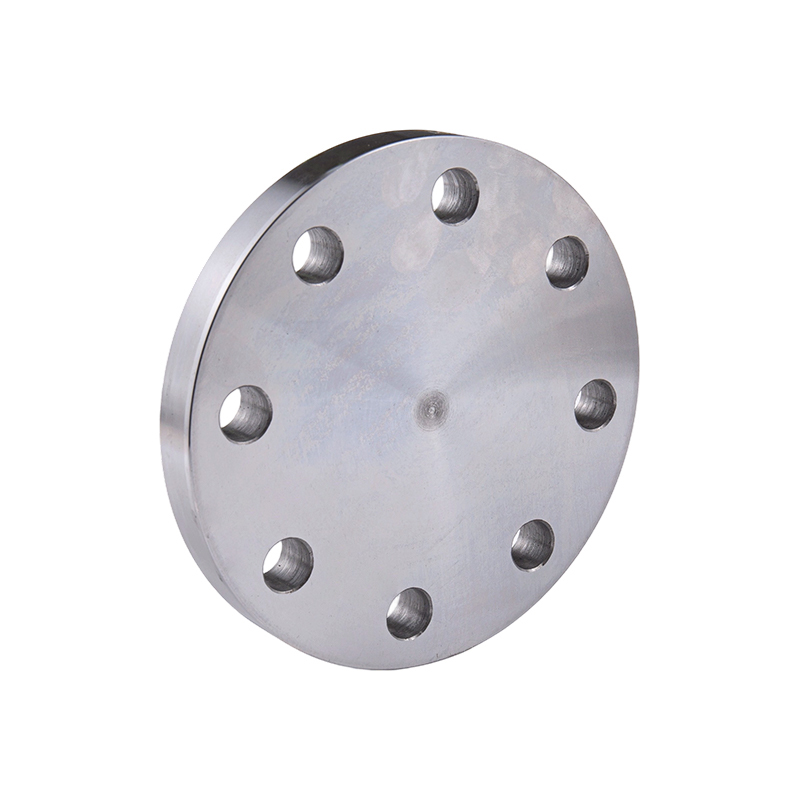
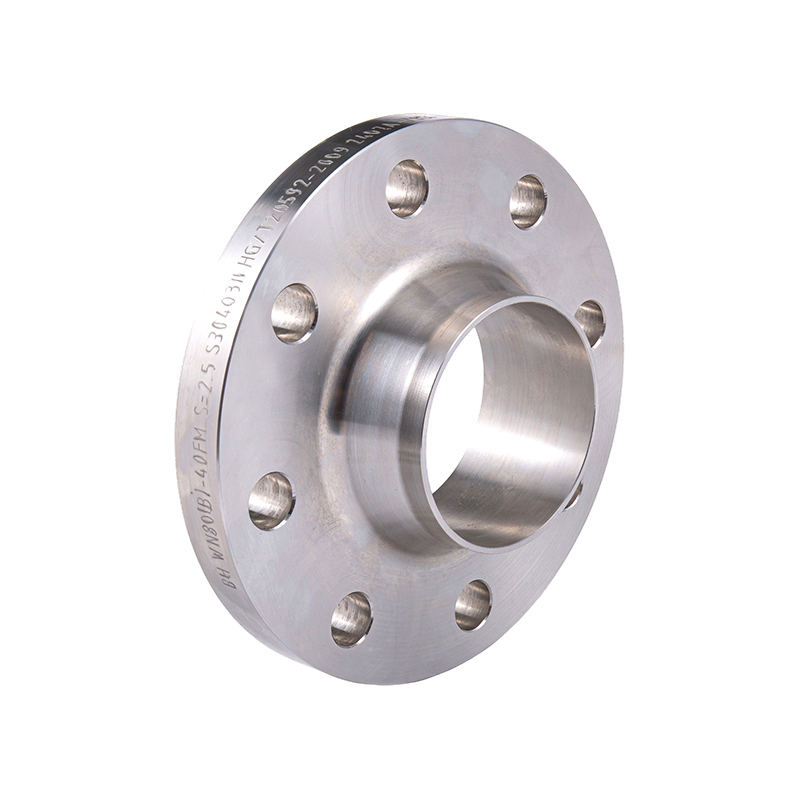
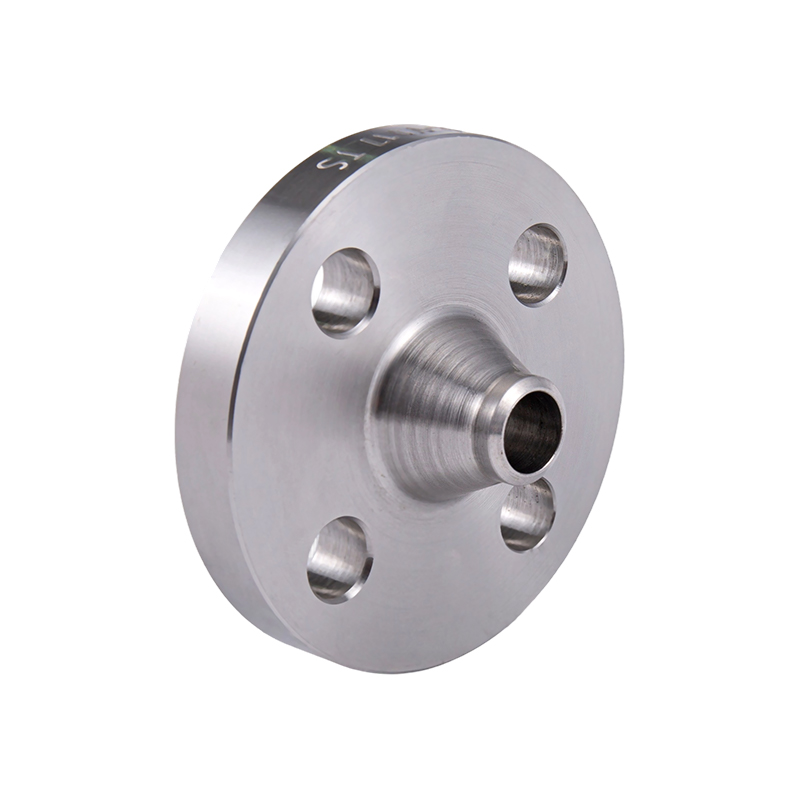
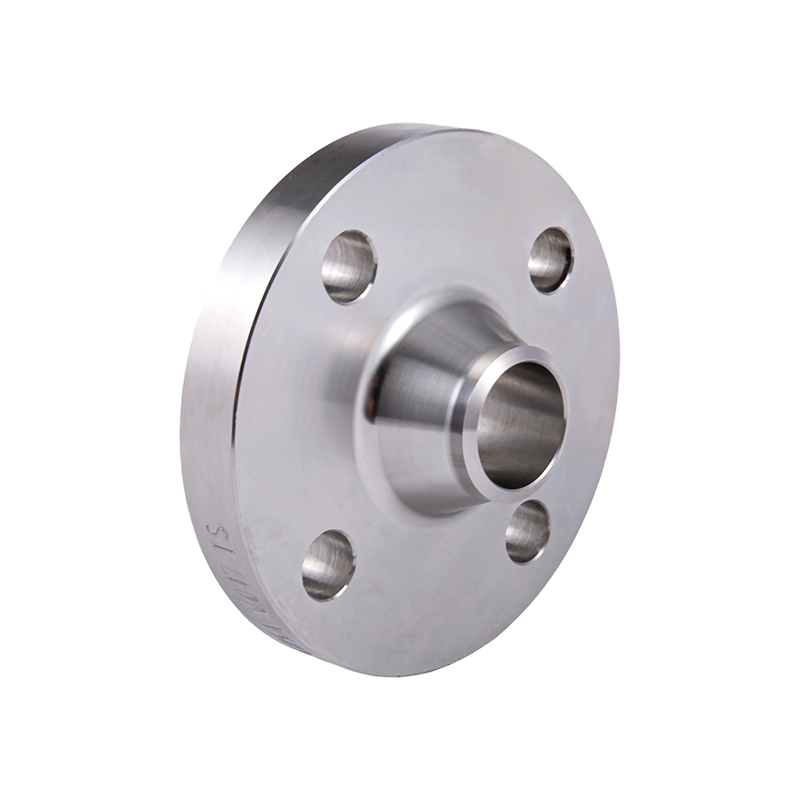
Flanged pipe fittings are critical components in pipelines, allowing for easy assembly, disassembly, and maintenance. However, over time, flanges and their connections can be subjected to wear, corrosion, and mechanical stress, potentially leading to leaks or failures. Regular inspection and timely replacement are essential to ensure the integrity, safety, and efficiency of any piping system. This article explores practical guidance on how often flanged fittings should be inspected or replaced and factors that influence these schedules.
The frequency of inspecting flanged pipe fittings depends on multiple factors, including the operating environment, type of fluid conveyed, temperature, pressure, and the material of both the flange and the piping system. Understanding these variables helps to determine a practical inspection schedule.
While specific intervals may vary depending on regulatory requirements and industry standards, several general guidelines can help determine how often flanged fittings should be inspected.
When inspecting flanged fittings, attention must be given to multiple components to ensure a comprehensive evaluation of the joint’s condition.
Determining when to replace flanged fittings depends on the severity of wear or damage observed during inspections. Replacement is generally necessary if any of the following conditions are met:
Beyond inspections, implementing preventive maintenance can significantly extend the lifespan of flanged fittings and reduce unplanned downtime.
Several international standards provide guidance on flanged fitting inspection and replacement practices, ensuring consistency and safety across different industries.
Regular inspection and timely replacement of flanged pipe fittings are crucial for pipeline safety, efficiency, and longevity. The inspection frequency depends on operating conditions, material selection, fluid type, and industry requirements. By carefully monitoring flanges, gaskets, bolts, and alignment, and adhering to preventive maintenance practices, facility operators can reduce the risk of leaks and failures. Compliance with industry standards and keeping detailed maintenance records further ensures that flanged fittings perform reliably throughout their operational life.
Products
Contact info.
+86-573-8553-5198
+86-136-1655-8299
+86-573-8553 5198
No. 207, Chuangye Road, Zhapu Town, Pinghu City, Zhejiang Province, China
QR Code
 Forged Stainless Steel Flanges Suppliers