English
 Español

Need Help Now? Call Us!
+86-573-8553-5198
Need Help Now? Call Us!
+86-573-8553-5198
Our team proudly offers an on-time guarantee and a 100% customer satisfaction guarantee.
Contact Online


Content
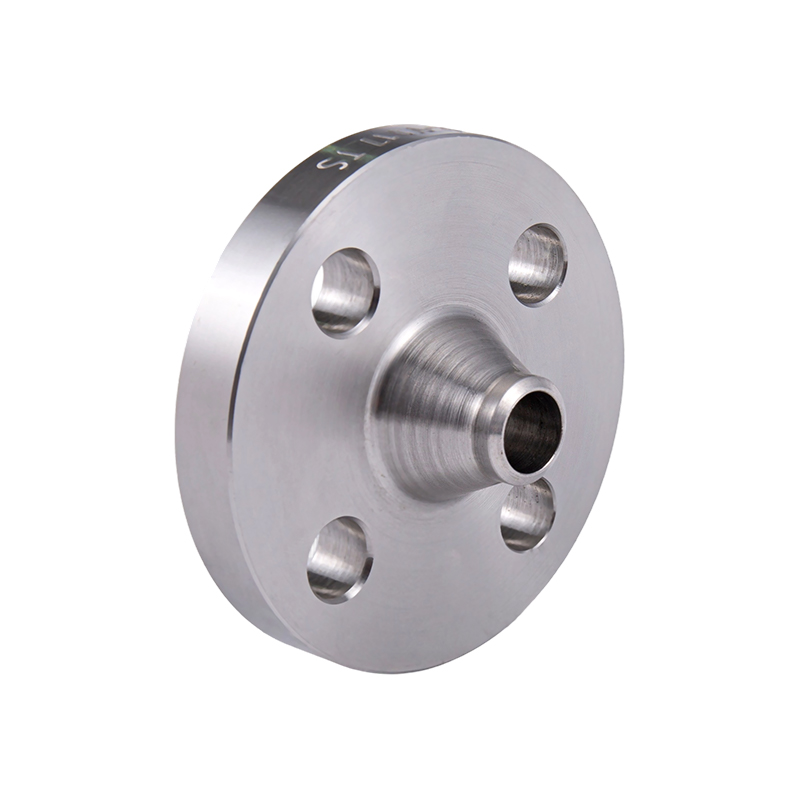
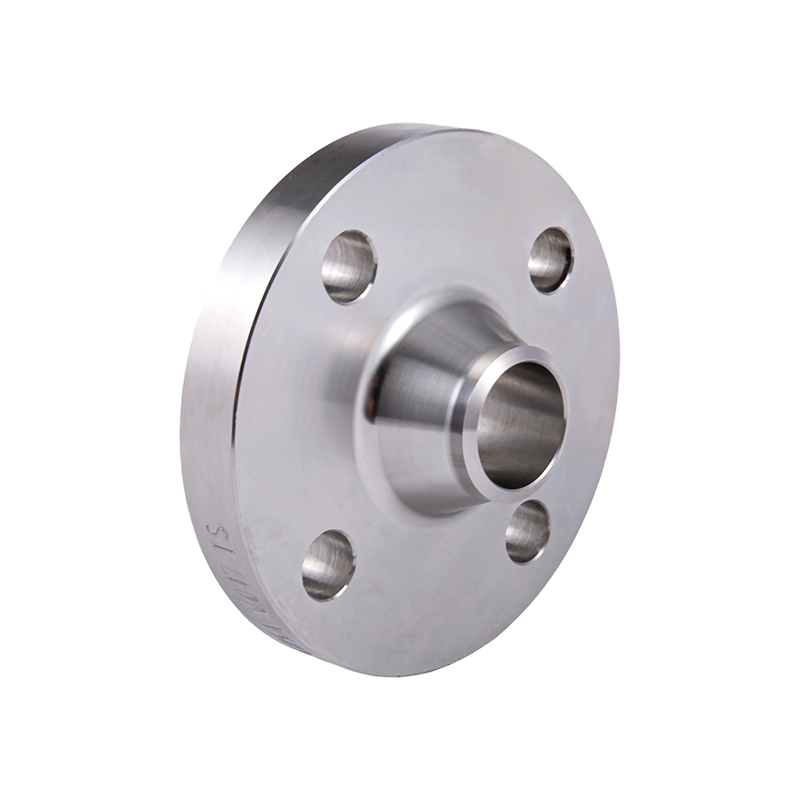
High-pressure piping systems are common in industries such as oil and gas, petrochemical processing, power generation, and chemical manufacturing. In these environments, flanges must withstand extreme internal pressures, temperature fluctuations, and mechanical stresses without compromising safety or performance. Standard forged flanges have become a preferred solution because their structural characteristics align closely with these demanding conditions.
Unlike low-pressure connections, high-pressure systems leave little margin for material defects or dimensional inaccuracies. Any weakness can lead to leakage, flange deformation, or catastrophic failure. Standard forged flanges are specifically designed to reduce these risks through controlled manufacturing processes and well-defined engineering standards.
The forging process is one of the primary reasons standard forged flanges perform reliably under high pressure. During forging, metal is shaped under high compressive forces, which refines the grain structure and aligns it with the flange geometry. This results in improved mechanical strength compared to cast or fabricated alternatives.
Forging also minimizes internal voids, porosity, and shrinkage defects that can weaken components under pressure. For high-pressure applications, this internal integrity is critical, as pressure loads are distributed more evenly across the flange body.
Standard forged flanges are produced from carefully selected materials such as carbon steel, alloy steel, and stainless steel. These materials are chosen based on their ability to maintain strength under high internal pressure and elevated temperatures. The forging process further enhances their inherent properties.
For high-pressure service, material consistency is essential. Standardized grades ensure predictable performance and allow engineers to calculate pressure ratings accurately. This predictability is a major advantage when designing systems that must comply with strict safety regulations.
High-pressure applications require precise dimensional control to ensure proper sealing and load distribution. Standard forged flanges are machined to tight tolerances after forging, which ensures flat flange faces, accurate bolt hole alignment, and uniform thickness. These factors directly influence the flange’s ability to maintain a leak-free seal under pressure.
Uniform load distribution across the gasket surface reduces localized stress points. This is especially important in high-pressure systems where uneven stresses can cause gasket extrusion or flange rotation.
Standard forged flanges are designed to work seamlessly with high-strength bolting systems. Proper bolt tension is essential for maintaining gasket compression under pressure. Forged flanges provide the rigidity required to sustain this tension without permanent deformation.
Their standardized bolt patterns also allow engineers to select appropriate fasteners based on pressure class and service conditions, simplifying both design and maintenance.
One of the defining characteristics of standard forged flanges is their compliance with recognized pressure class ratings. These ratings define the maximum allowable working pressure at specified temperatures. By adhering to standardized classes, forged flanges provide a reliable framework for high-pressure system design.
Engineers rely on these standardized ratings to ensure that flanges operate safely within defined limits. This consistency reduces the likelihood of under-designed connections in critical applications.
| Pressure Class | Typical Application Range | Suitability for High Pressure |
| Class 300 | Moderate pressure systems | Limited |
| Class 600 | High-pressure process lines | High |
| Class 900+ | Extreme pressure service | Very High |
High-pressure systems often experience pressure fluctuations due to start-up, shutdown, or process variations. These cycles can lead to fatigue failure if flange materials are not sufficiently robust. Standard forged flanges offer superior fatigue resistance because of their refined grain structure and uniform mechanical properties.
This fatigue resistance is particularly important in long-term operations, where repeated pressure cycles occur over many years. Forged flanges help extend service life and reduce the likelihood of unexpected failures.
Quality control is a key factor in high-pressure suitability. Standard forged flanges undergo rigorous inspection and testing to verify material properties, dimensional accuracy, and surface quality. Non-destructive testing methods are commonly applied to detect internal or surface defects that could compromise pressure performance.
This emphasis on quality assurance provides confidence that each flange will perform as expected under high-pressure conditions, supporting safe and reliable system operation.
From a practical perspective, standard forged flanges simplify engineering, procurement, and maintenance for high-pressure systems. Their standardized dimensions and pressure ratings make replacement and system expansion easier. Engineers can specify them with confidence, knowing that performance characteristics are well documented.
For operators, the durability and reliability of forged flanges translate into fewer leaks, reduced downtime, and lower maintenance costs over the system’s lifecycle.
Standard forged flanges combine material strength, precise manufacturing, and compliance with pressure-rated standards, making them particularly well suited for high-pressure use. Their ability to withstand extreme loads while maintaining sealing integrity addresses the core challenges of high-pressure piping systems.
As industries continue to demand safer and more efficient high-pressure operations, standard forged flanges will remain a critical component, providing a proven balance of performance, reliability, and practical value.
Products
Contact info.
+86-573-8553-5198
+86-136-1655-8299
+86-573-8553 5198
No. 207, Chuangye Road, Zhapu Town, Pinghu City, Zhejiang Province, China
QR Code
 Forged Stainless Steel Flanges Suppliers