English
 Español

Need Help Now? Call Us!
+86-573-8553-5198
Need Help Now? Call Us!
+86-573-8553-5198
Our team proudly offers an on-time guarantee and a 100% customer satisfaction guarantee.
Contact Online


Content
When you think about the complex network of pipes that carry water, oil, gas, and chemicals through our cities, factories, and homes, you might visualize miles of seamless tubing. But how are these massive sections of pipe connected? How do engineers ensure that high-pressure fluids don’t leak out? The answer lies in the often-overlooked, yet crucial components known as Flanged Pipe Fittings.
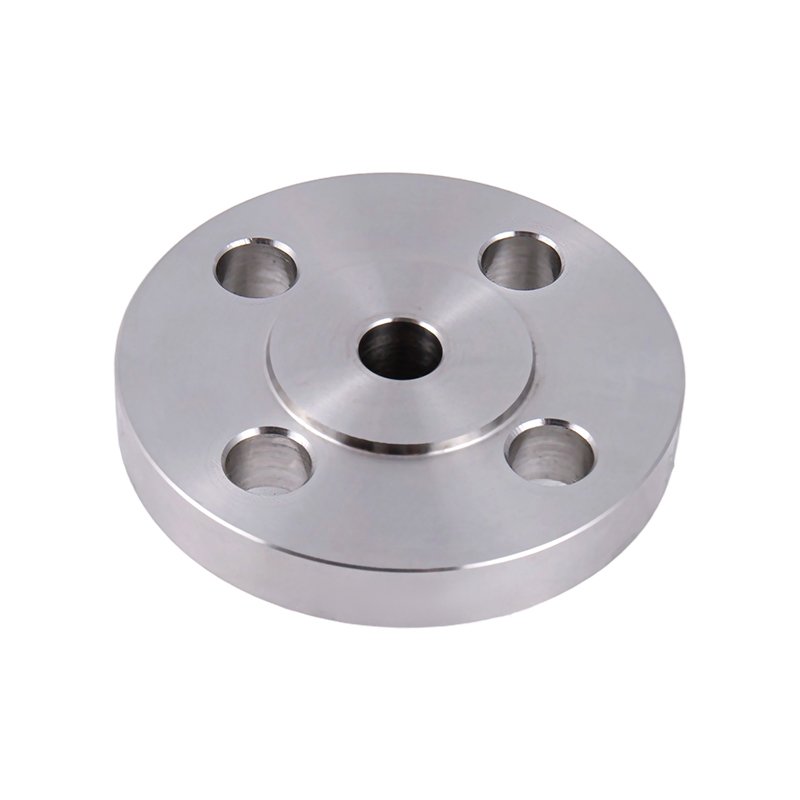
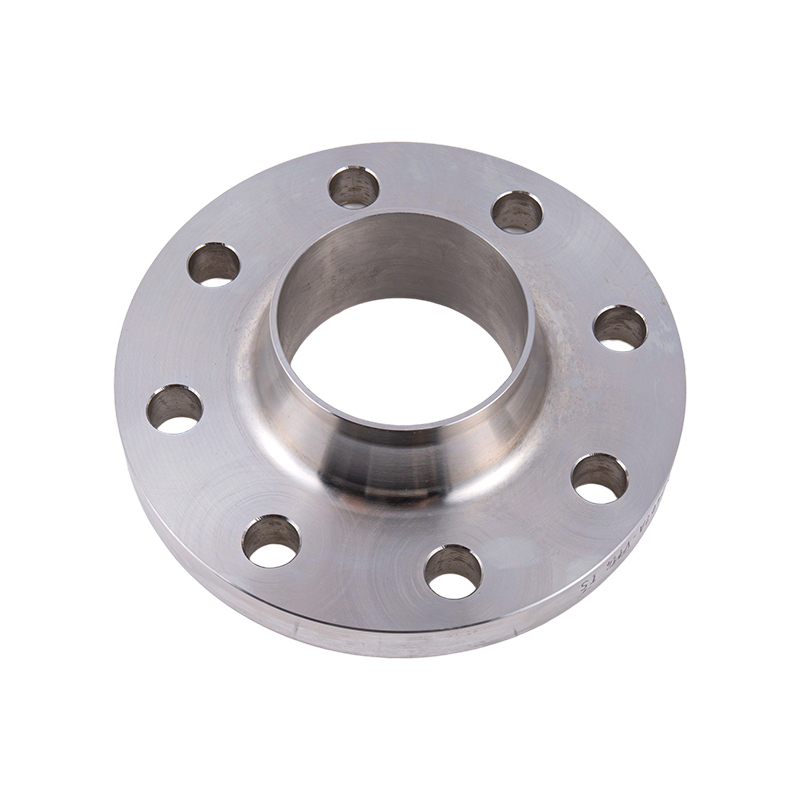
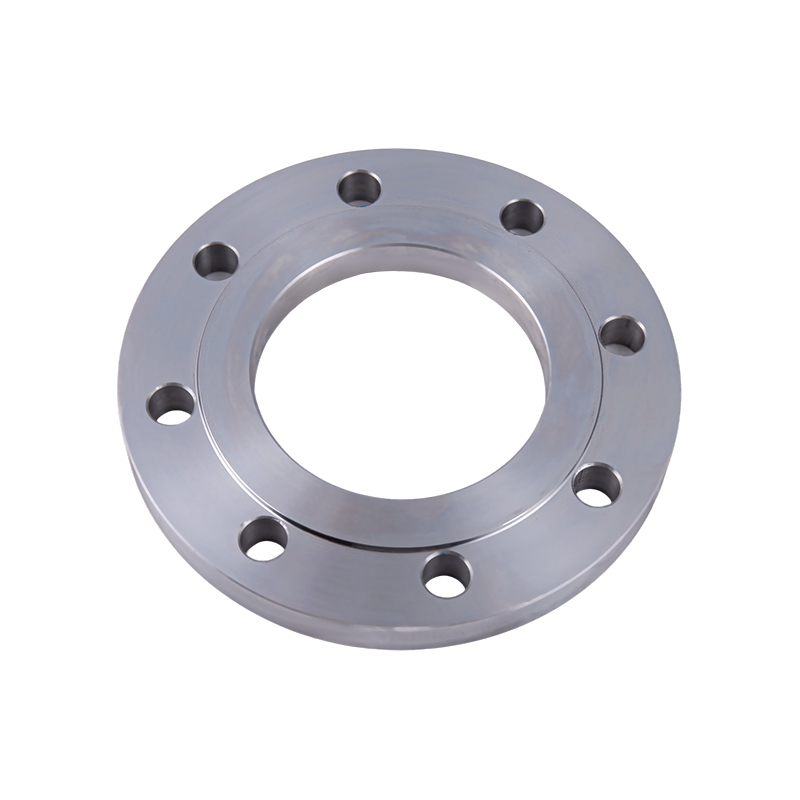
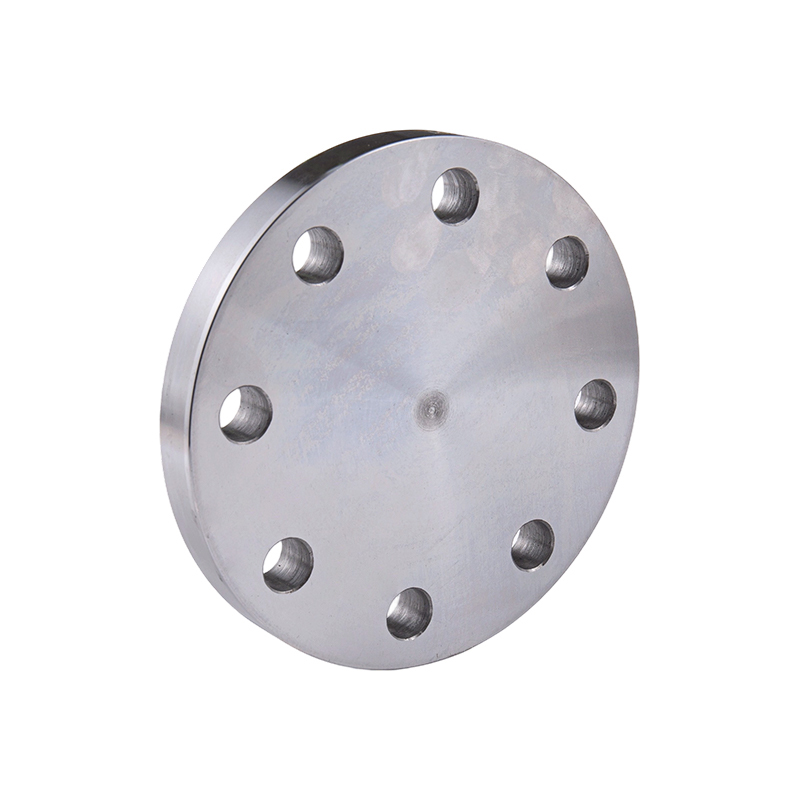
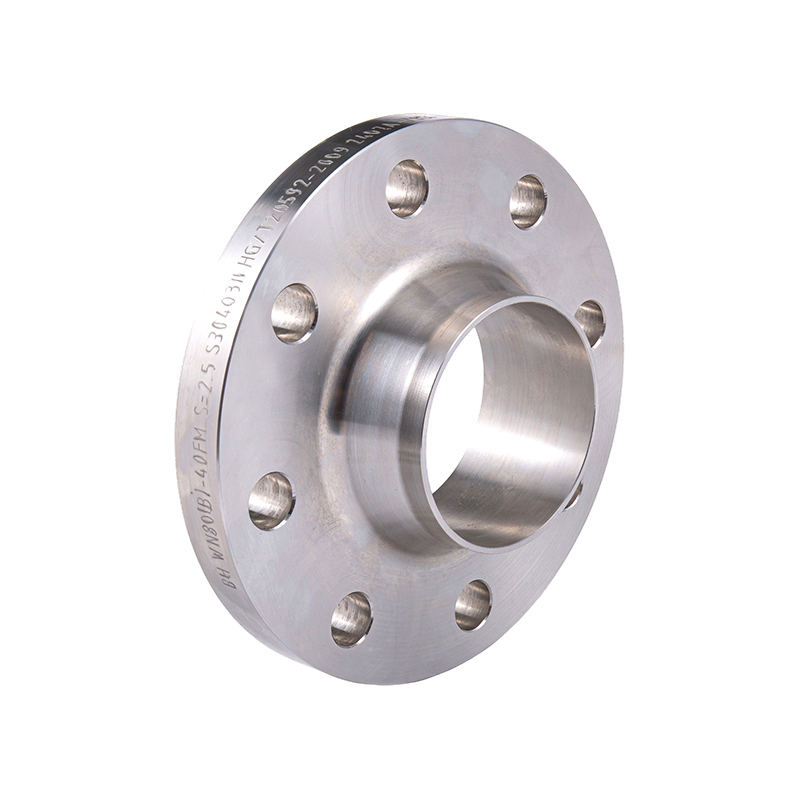
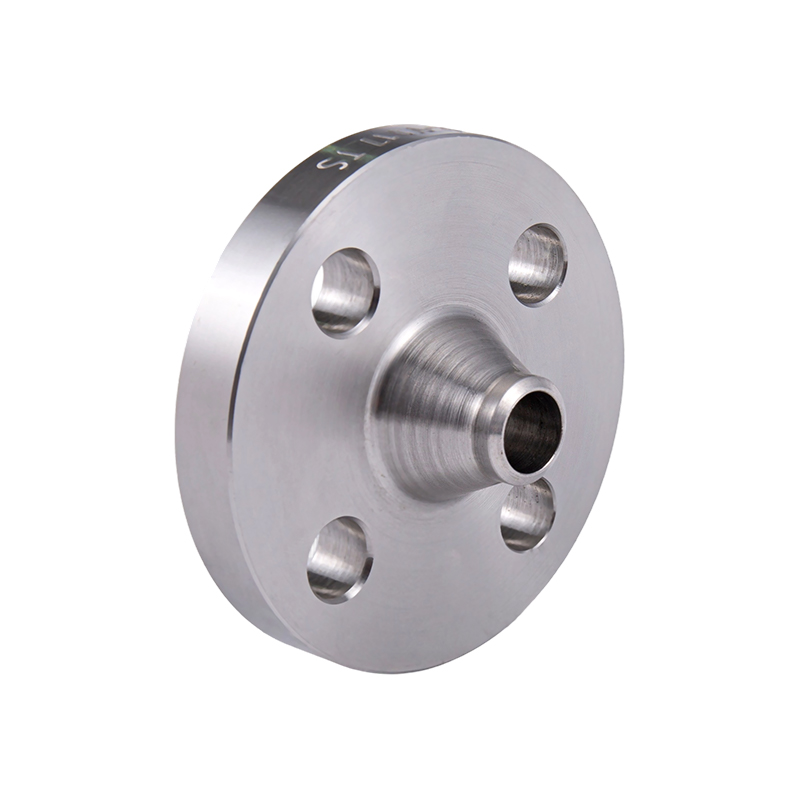
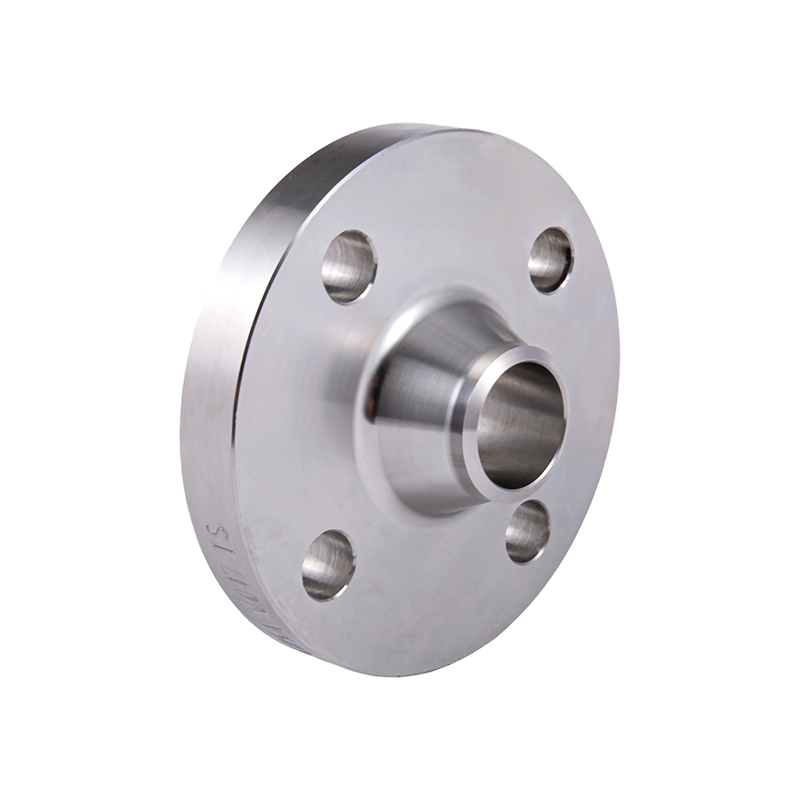
Essentially, a flange is a flat, circular, or square rim that projects from the end of a pipe, valve, or other piece of equipment. Flanges are designed to be joined together using bolts, creating a strong, secure, and easily disassembled connection.
Imagine a mile-long pipeline. If it were welded together, maintenance or repair of a single small section would require cutting the pipe, which is time-consuming, expensive, and impractical.
Flanged Pipe Fittings solve this problem by providing a non-permanent, bolted joint. This allows sections of the pipeline, or components like pumps and valves, to be easily swapped out for maintenance or inspection without disrupting the entire system.
A typical flanged joint isn’t just two flanges bolted together; it’s a precisely engineered assembly of four main components working in harmony to achieve a leak-proof seal:
Flanges come in various designs, tailored to different pressures and purposes.
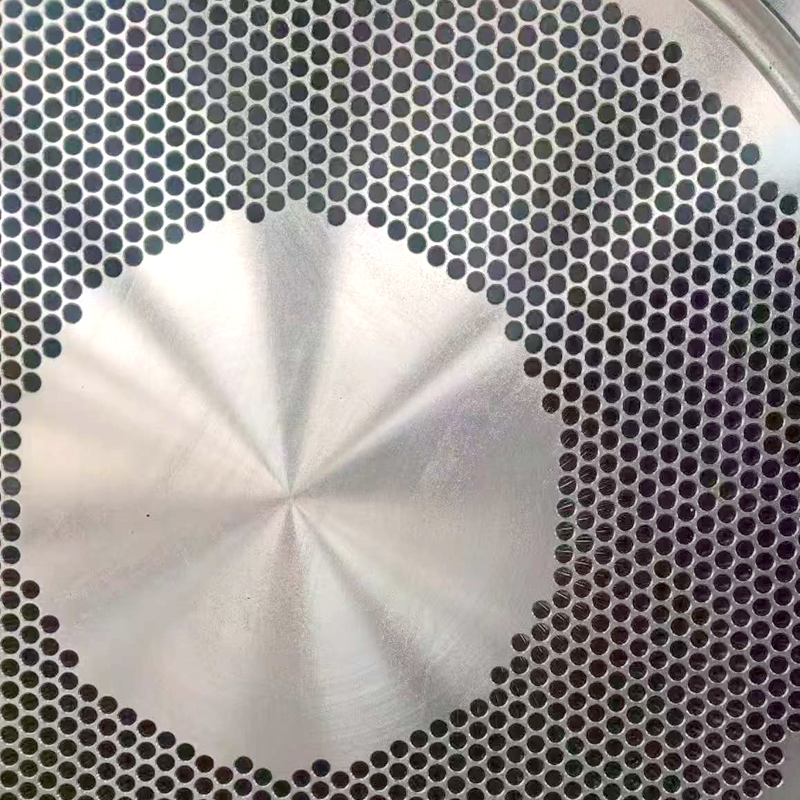
The gasket is arguably the most critical part of the seal. It is a soft, deformable material (like rubber, non-asbestos fiber, or spiral-wound metal) placed between the two mating flange faces. When the bolts are tightened, the gasket is compressed, filling any microscopic imperfections on the flange surfaces and creating a pressure-tight seal that prevents fluid leakage.
These provide the compressive force necessary to squeeze the gasket and hold the flanges together. The material and torque specifications for the bolts are strictly defined by engineering standards to ensure they can withstand the operating pressure and temperature without failing.
To ensure that a flange made in one factory can be reliably connected to a pipe or valve made in another, the industry adheres to strict standards, most notably those set by the American National Standards Institute (ANSI) and the American Society of Mechanical Engineers (ASME).
These standards dictate everything from the flange’s dimensions (outer diameter, bolt circle diameter, number and size of bolt holes) to the material it’s made from. This global standardization is what makes modern industrial plumbing possible. Without it, every pipeline would be a custom, non-interchangeable puzzle.
Flanged Pipe Fittings are ubiquitous, serving as the connective tissue for infrastructure everywhere:
In conclusion, while simple in appearance, the design and engineering behind Flanged Pipe Fittings are a testament to the principles of modularity and reliable sealing. They are the essential, robust components that allow the circulatory systems of our modern world—the pipelines—to function safely, efficiently, and with the necessary flexibility for maintenance.
Products
Contact info.
+86-573-8553-5198
+86-136-1655-8299
+86-573-8553 5198
No. 207, Chuangye Road, Zhapu Town, Pinghu City, Zhejiang Province, China
QR Code
 Forged Stainless Steel Flanges Suppliers