English
 Español

Need Help Now? Call Us!
+86-573-8553-5198
Need Help Now? Call Us!
+86-573-8553-5198
Our team proudly offers an on-time guarantee and a 100% customer satisfaction guarantee.
Contact Online


Content
Imagine a vast network of pipes carrying oil, gas, water, or chemicals across a massive industrial plant. How do these individual pipe segments, valves, pumps, and other equipment connect to form a leak-proof, high-pressure system? The answer lies in the flange.
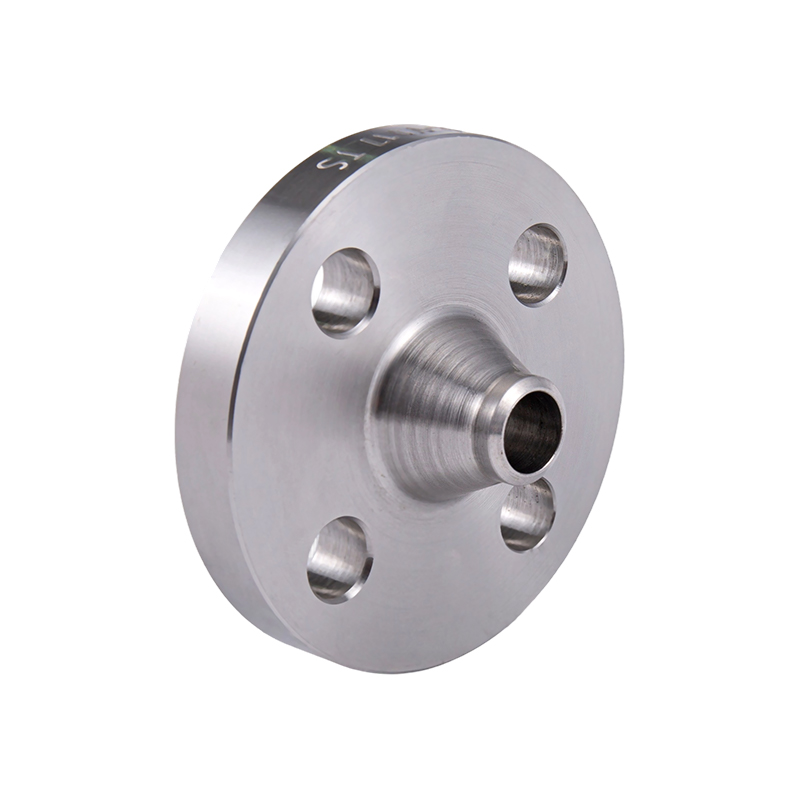
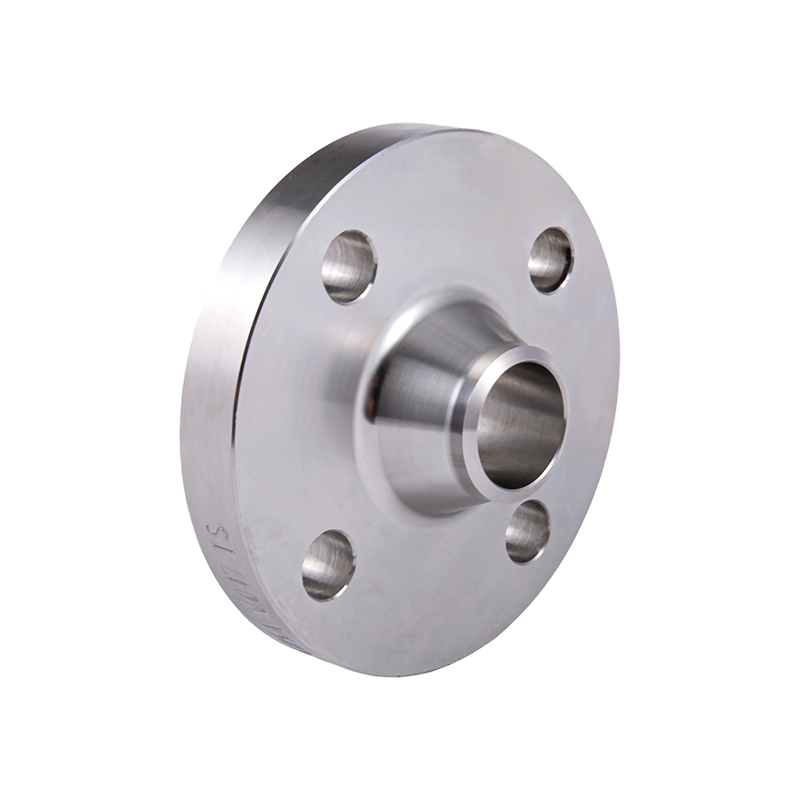
Simply put, a flange is a rim, edge, or collar that is used to attach, or bolt, one section of pipe or equipment to another. Think of it as a specialized, robust connector that allows parts to be joined and—crucially—taken apart without damaging the components.
A typical flanged joint consists of three main components working in harmony:
The term “Standard Forged Flanges” refers to specific types of flanges that dominate heavy industry. Let’s break down what makes these two descriptors so important.
In the industrial world, pipelines and equipment are constantly being repaired, modified, and expanded. Imagine the chaos if every manufacturer used a different size, bolt pattern, or pressure rating for their flanges!
Standards like those set by organizations such as the American Society of Mechanical Engineers (ASME) or the European Committee for Standardization (EN) ensure interchangeability. This means a pipe flange made by a company in Asia can reliably connect to a valve made by a company in Europe, provided they both conform to the same standard (e.g., ASME B16.5). These standards dictate critical dimensions, including:
The most critical factor for a flange handling extreme pressures and temperatures is its strength and integrity. This is where the term “forged” comes in.
Forging is a manufacturing process where raw material (often carbon steel, stainless steel, or alloy steel) is heated to a high temperature and then physically shaped using compressive forces from a hammer or press.
When metal is forged, the process forces the internal crystalline structure, known as the grain, to align with the shape of the flange. This creates a continuous grain flow that follows the contours of the part, making the flange exceptionally strong, tough, and resistant to fatigue and impact.
In contrast, a cast flange, which is made by pouring molten metal into a mold, has a random, less uniform grain structure, making it more susceptible to internal defects and less reliable under high stress. For high-pressure, safety-critical applications, forged flanges are the industry gold standard.
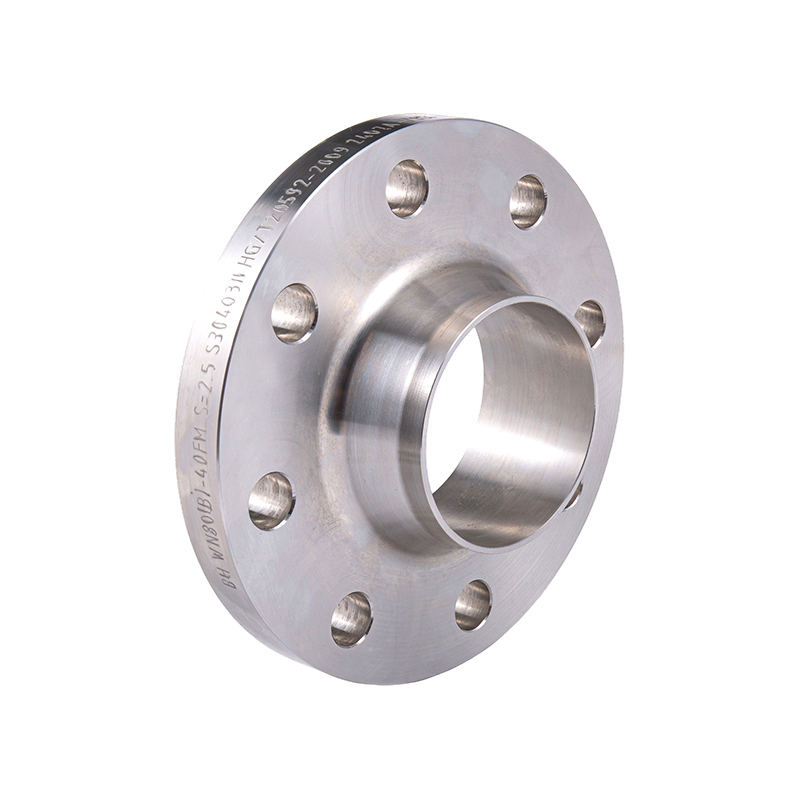
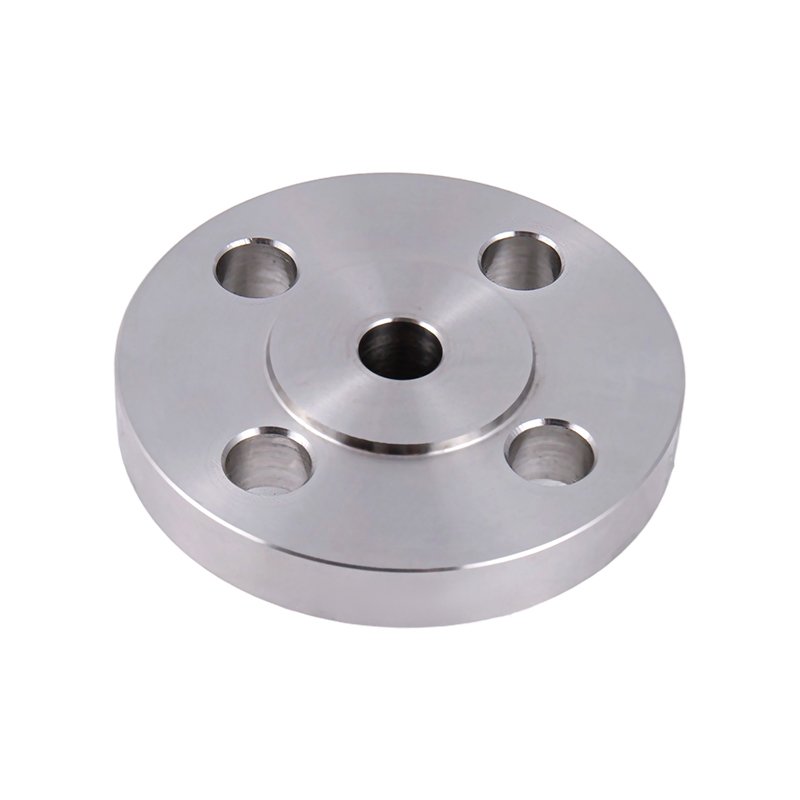
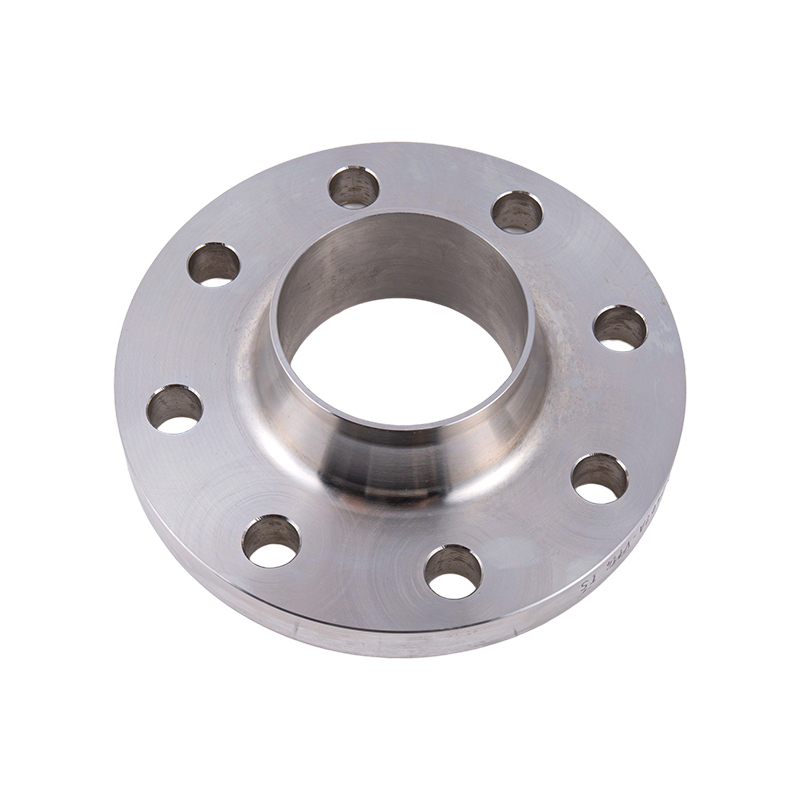
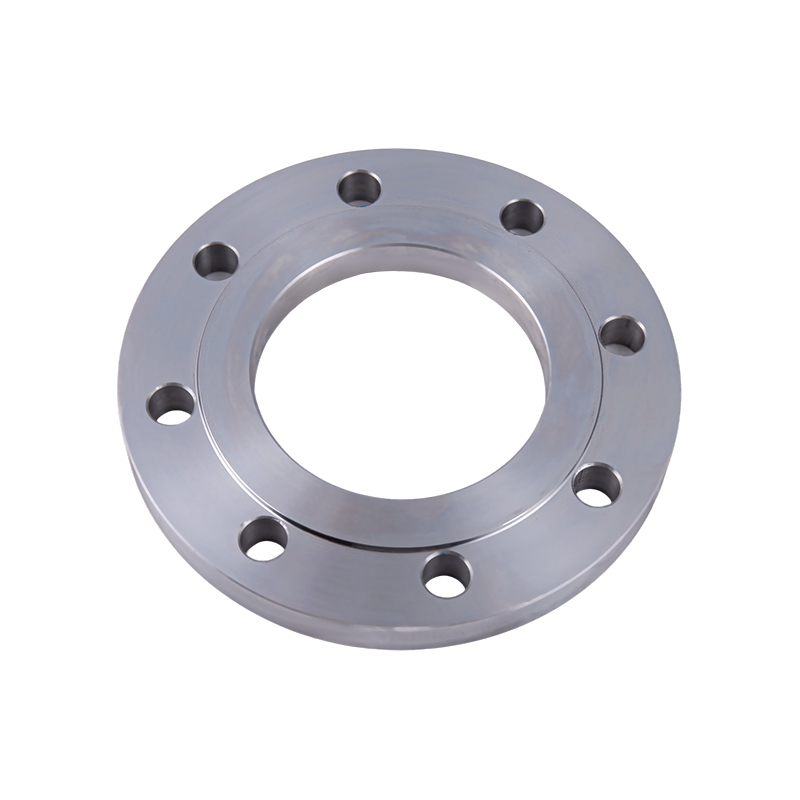
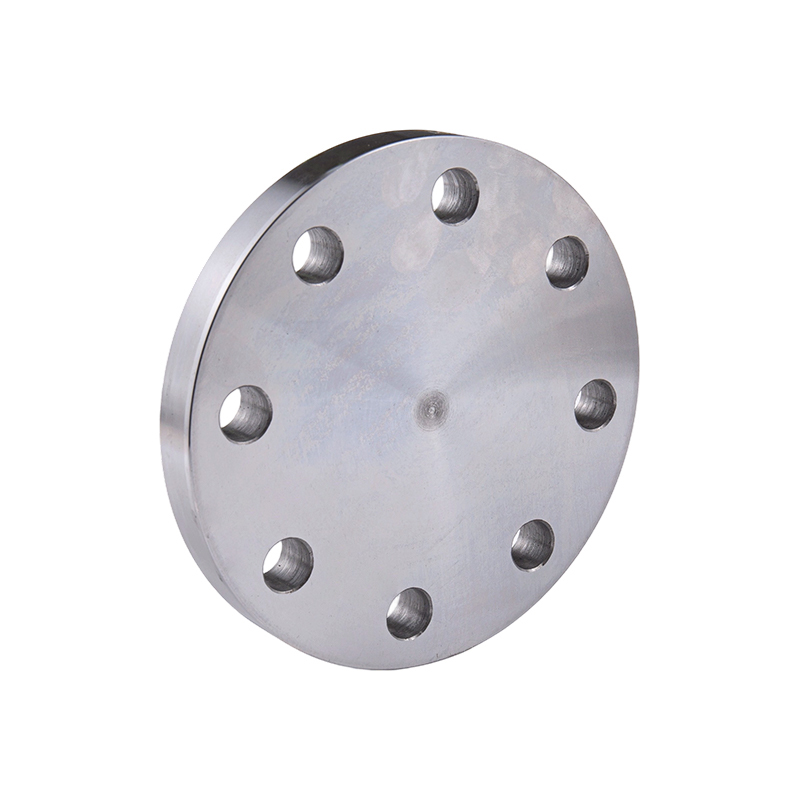
Flanges come in many styles, each optimized for a specific role in a piping system.
The seemingly simple flange is a critical component of modern civilization. Without these standardized, strong connectors, we could not safely transport or process the essential resources that power our world.
Flanges are the dependable heroes ensuring the integrity of critical infrastructure, including:
The next time you see a massive network of pipes, remember the standard forged flange—the small, unsung piece of steel that holds the whole operation together.
Products
Contact info.
+86-573-8553-5198
+86-136-1655-8299
+86-573-8553 5198
No. 207, Chuangye Road, Zhapu Town, Pinghu City, Zhejiang Province, China
QR Code
 Forged Stainless Steel Flanges Suppliers