English
 Español

Need Help Now? Call Us!
+86-573-8553-5198
Need Help Now? Call Us!
+86-573-8553-5198
Our team proudly offers an on-time guarantee and a 100% customer satisfaction guarantee.
Contact Online


Content
Standard forged flanges are precision-machined pipe connection components produced through the forging process — a manufacturing method in which heated steel billets are shaped under compressive force using dies and presses, aligning the grain structure of the metal along the contours of the finished part. This grain flow alignment, inherent to forging and absent in cast components, is what gives forged flanges their characteristic combination of high tensile strength, fatigue resistance, and impact toughness that makes them the preferred connection method in demanding industrial piping applications where pressure, temperature, and corrosive media place extreme demands on joint integrity.
The starting material for standard forged flanges — high-quality forged steel — is selected and tested to meet the mechanical property requirements of the applicable material specification before forging begins. Common material grades include ASTM A105 carbon steel for standard pressure-temperature service, ASTM A182 F304 and F316 stainless steel for corrosive service in chemical processing and marine environments, ASTM A182 F11 and F22 alloy steel for high-temperature service in power generation and petroleum refining, and ASTM A182 F51 duplex stainless steel for combined high-pressure, high-chloride service in offshore petroleum and natural gas production. Each material grade carries specific minimum yield strength, tensile strength, hardness, and impact energy requirements that the forging must meet before machining begins, ensuring that the finished flange delivers the mechanical performance the piping system design demands.
The forging process itself — whether open-die forging for larger flanges or closed-die forging for standard sizes — refines the steel's grain structure, eliminates internal porosity and voids present in cast material, and produces a component with higher strength-to-weight ratio than an equivalent casting. This matters critically in petroleum, natural gas, and chemical processing applications where flange joint failures are not simply maintenance events but potential sources of catastrophic fires, toxic releases, and environmental contamination that carry severe safety and regulatory consequences.
The range of standard forged flanges available covers five primary connection types, each optimized for a specific pipe attachment method, application environment, and installation context. Selecting the correct flange type for a given service condition is as important as selecting the correct pressure class and material grade — the connection geometry directly affects weld quality, joint strength, ease of inspection, and suitability for the fluid service involved.
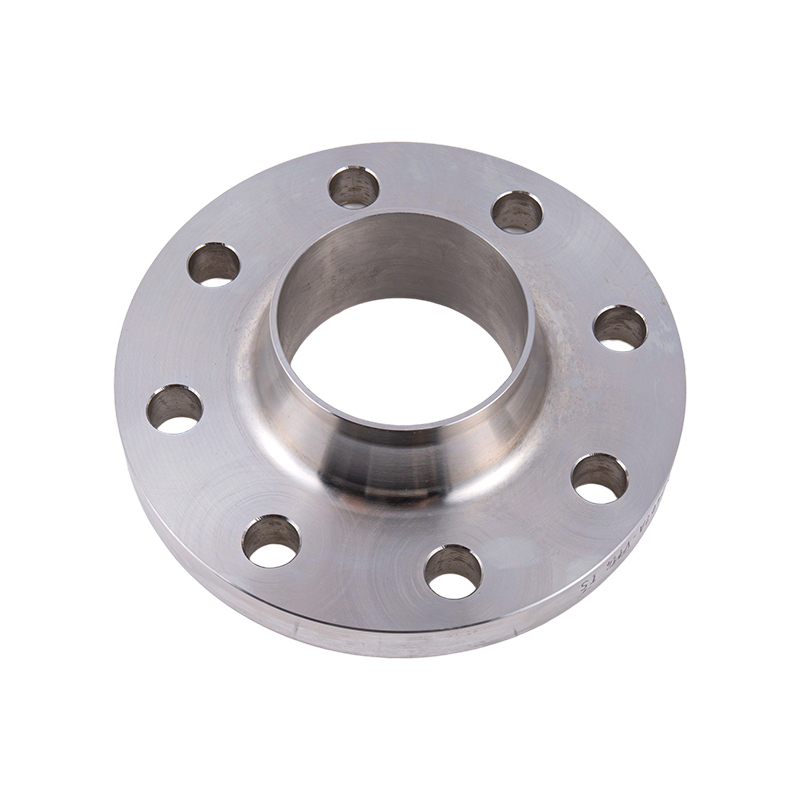
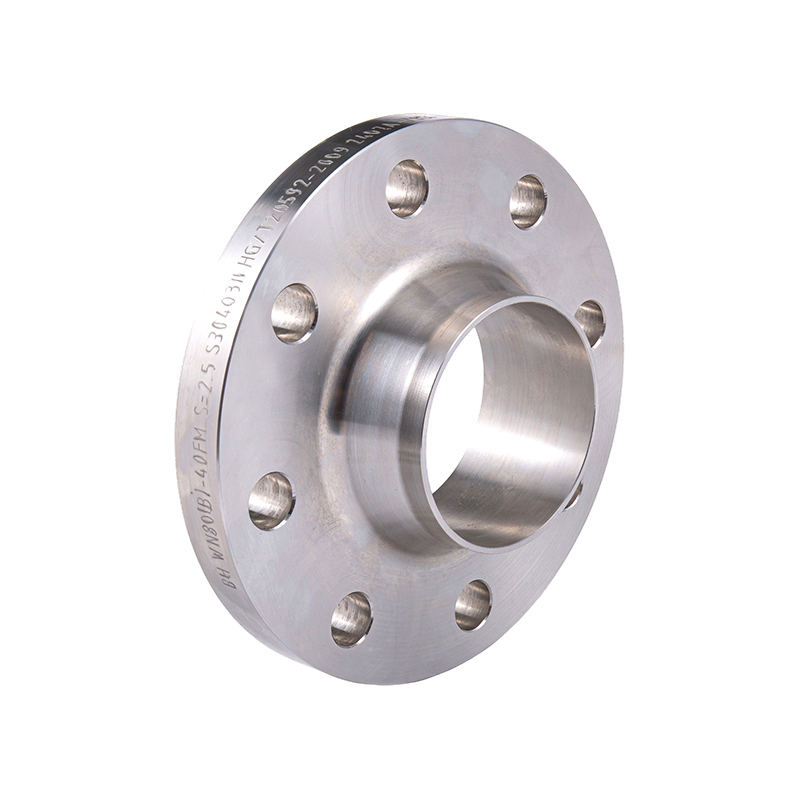
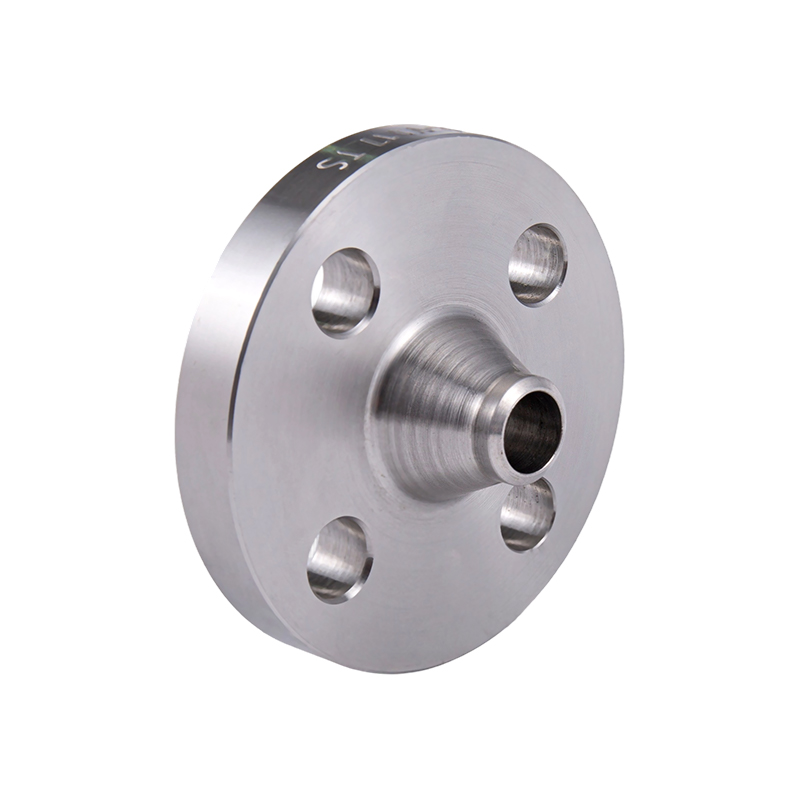
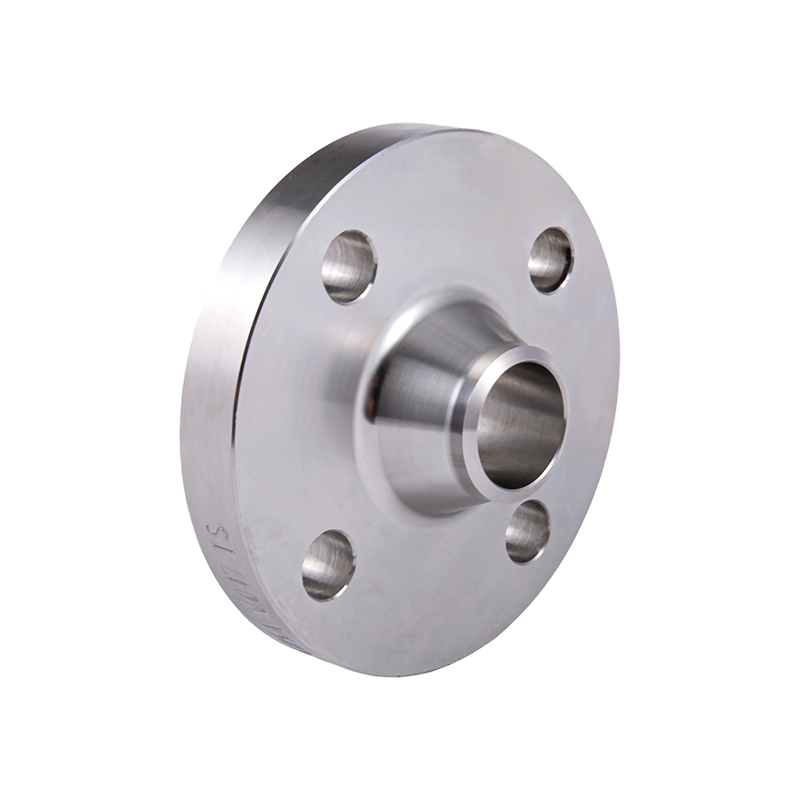
The weld neck flange is the strongest and most versatile standard forged flange type, characterized by a long tapered hub that transitions smoothly from the flange face to the pipe wall thickness through a butt weld joint. The tapered hub distributes stress away from the weld joint and into the flange body, making weld neck flanges the preferred choice for high-pressure, high-temperature, and cyclic service conditions in petroleum refining, natural gas transmission, and high-pressure chemical reactor piping. The butt weld joint produced at the flange-to-pipe connection is full-penetration and radiographically inspectable, satisfying the highest weld quality requirements of pressure vessel and piping codes including ASME B31.3 for chemical plant piping and ASME B31.8 for gas transmission systems.
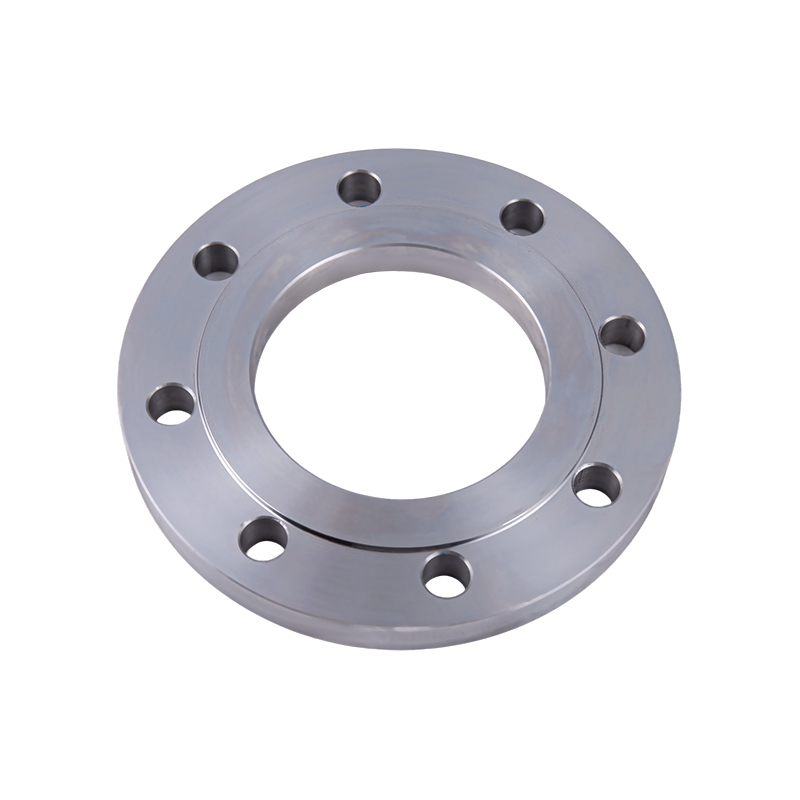
Slip-on flanges slide over the pipe end and are attached by fillet welds at both the face and bore of the flange, providing a simpler and less expensive joint than weld neck flanges at the cost of somewhat lower fatigue life and reduced strength. They are widely used in lower-pressure utility piping, cooling water systems, and non-critical process lines in chemical processing plants and petroleum refineries where the simplicity of alignment and the reduced hub length simplify installation in congested pipe racks. Slip-on flanges are rated approximately one-third lower in fatigue life than equivalent weld neck flanges under cyclic loading and are generally not specified for high-cycle service or for lines carrying hazardous fluids at elevated pressure and temperature.
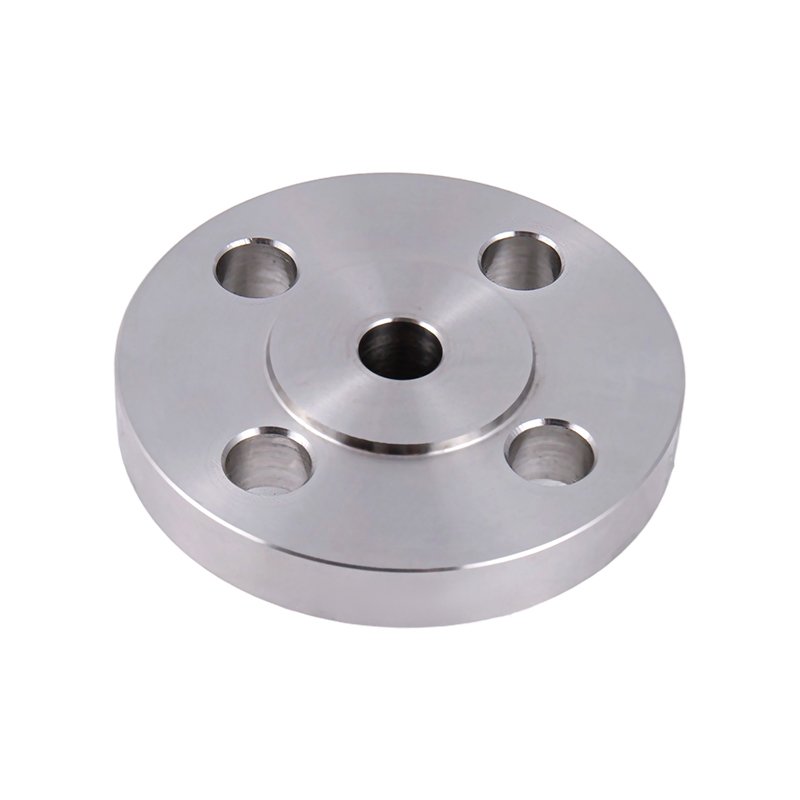
Socket weld flanges are designed for small-bore piping — typically NPS 2 and below — where the pipe end inserts into a socket machined in the flange bore and is attached by a single fillet weld at the socket face. The socket provides precise pipe alignment and a consistent weld geometry that is particularly valuable in small-diameter instrumentation and utility piping where manual alignment of butt-weld joints is difficult. A critical installation requirement for socket weld flanges is the 1.6 mm gap that must be maintained between the pipe end and the socket bottom before welding — this gap prevents the socket from acting as a stress concentration and cracking under thermal expansion cycles. Socket weld flanges are specified in natural gas, petroleum, and chemical processing service for small-bore high-pressure lines including instrument connections, bypass circuits, and chemical injection points.
Threaded flanges use NPT or BSP taper pipe threads machined in the flange bore to connect to externally threaded pipe ends without welding, making them suitable for applications where welding is prohibited — including pipelines carrying flammable gases or vapors where welding during maintenance creates ignition risk — or where rapid assembly and disassembly is required for service access. Threaded flanges are limited to lower pressure-temperature ratings than welded types due to the stress concentration inherent in threaded connections, and they are generally restricted to Class 600 and below in most piping codes. They are widely used in petroleum and natural gas service for small-diameter instrument manifolds, gauge connections, and low-pressure utility lines in hazardous area classifications.
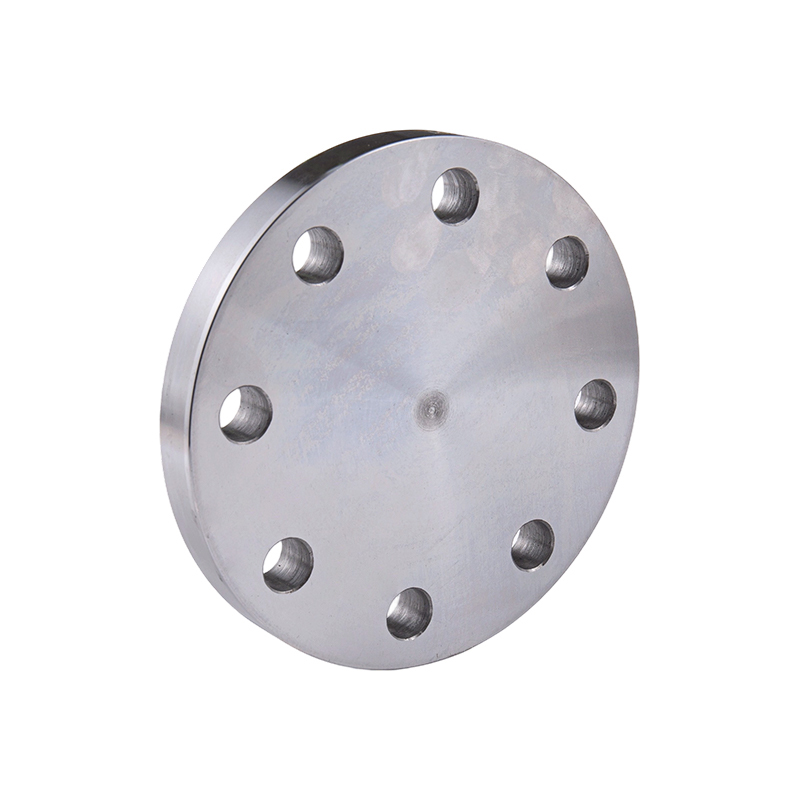
Blind flanges are solid discs — without a pipe bore — used to close the end of a piping system, pressure vessel nozzle, or valve body at a point where future access or extension is anticipated. They are subjected to the full bending stress of the contained pressure across their unsupported face diameter, making them one of the most heavily stressed standard forged flange types despite their apparently simple geometry. Blind flanges are essential components in petroleum and natural gas pipeline isolation, chemical processing reactor nozzle blanking during maintenance, and pressure testing of new piping systems where temporary end closures must be rated to the test pressure of the system.
Standard forged flanges derive much of their commercial value from compliance with internationally recognized dimensional and material standards that ensure interchangeability between flanges from different manufacturers and compatibility with mating equipment supplied from different global sources. The four primary standard families — ANSI/ASME (American), DIN (German/European), JIS (Japanese), and GB (Chinese) — each define flange face types, bolt circle dimensions, bolt hole counts and sizes, raised face height, and pressure-temperature ratings for each nominal pipe size and pressure class within the standard's scope.
| Standard | Origin / Region | Pressure Class System | Primary Industries |
|---|---|---|---|
| ANSI/ASME B16.5 | USA / North America | Class 150 to Class 2500 | Petroleum, natural gas, chemical processing, LNG |
| DIN EN 1092-1 | Germany / Europe | PN 6 to PN 400 | Chemical processing, power generation, water treatment |
| JIS B2220 | Japan / Asia-Pacific | 5K to 63K (kg/cm²) | Petrochemical, shipbuilding, industrial machinery |
| GB/T 9112 | China | PN 2.5 to PN 320 | Petroleum refining, chemical processing, power generation |
For multinational projects — offshore petroleum platforms, LNG liquefaction trains, cross-border natural gas pipelines, and export-oriented chemical processing facilities — the ability to supply standard forged flanges compliant with multiple standards simultaneously is a significant procurement advantage. A flange manufacturer certified to supply ANSI, DIN, JIS, and GB compliant products from a single production facility simplifies vendor qualification, reduces lead time risk from multi-source procurement, and provides a single point of accountability for dimensional and material conformance across all flange standards specified in the project's piping material classes.
The service conditions encountered in petroleum refining, natural gas processing, and chemical processing represent some of the most severe environments that piping system components must endure in continuous industrial service. Standard forged flanges in these applications must maintain reliable sealing performance and structural integrity across temperature ranges from cryogenic LNG service at −162°C through ambient process conditions to high-temperature refinery process streams at +550°C, at pressures from vacuum to Class 2500 (approximately 420 bar at ambient temperature), and in contact with media ranging from dry natural gas to wet sour crude containing hydrogen sulfide, chlorides, and organic acids that aggressively attack carbon steel and many stainless steel alloys.
Maintaining reliable performance in high-temperature service requires careful attention to the creep behavior of the flange material and bolting — the tendency of metals to slowly deform under sustained stress at elevated temperature — which can cause bolt load relaxation and progressive gasket stress reduction that eventually leads to flange joint leakage without any external change in operating conditions. Material selection for high-temperature service prioritizes alloy steel grades with chromium and molybdenum additions (F11, F22, F91) that provide significantly better creep resistance than plain carbon steel A105 flanges, maintaining adequate bolt load and gasket seating stress through years of continuous high-temperature service in petroleum and chemical processing environments.
In corrosive service environments — particularly the sour gas and sour crude service common in petroleum production and refining — material selection must additionally address sulfide stress cracking (SSC) risk. NACE MR0175 / ISO 15156 defines the hardness limits and material qualification requirements for metallic components in H₂S-containing petroleum and natural gas service, and standard forged flanges specified for sour service must comply with these requirements — typically limiting carbon and alloy steel flanges to a maximum hardness of 22 HRC and restricting certain alloy grades that are susceptible to SSC regardless of hardness level.
The sealing performance of a flanged joint depends on three factors in roughly equal measure: gasket selection and compression, bolt load application, and flange face dimensional accuracy and surface finish. Standard forged flanges that comply with ANSI B16.5, DIN EN 1092-1, or equivalent standards define the dimensional tolerances and face finish requirements that, when met, allow predictable gasket behavior and reliable sealing across the full pressure-temperature rating range of the flange class. Flanges that fail to meet these tolerances — even within the pass/fail limits of a cursory visual inspection — create uneven gasket compression that results in leak paths at operating pressure, particularly during thermal cycling that repeatedly loads and unloads the gasket as the piping system heats and cools.
Rigorous quality control in standard forged flange production encompasses the full manufacturing sequence from incoming material verification through final dimensional and non-destructive examination. The following quality control steps are standard practice in compliant flange manufacturing for petroleum, natural gas, and chemical processing applications:
Effective flange selection for petroleum, natural gas, and chemical processing projects requires a structured approach that addresses pressure class, material grade, flange type, face type, and standard compliance simultaneously rather than treating each variable independently. The following selection framework provides a practical starting point for piping engineers and procurement teams specifying standard forged flanges for new projects or replacement supply:
Products
Contact info.
+86-573-8553-5198
+86-136-1655-8299
+86-573-8553 5198
No. 207, Chuangye Road, Zhapu Town, Pinghu City, Zhejiang Province, China
QR Code
 Forged Stainless Steel Flanges Suppliers