English
 Español

Need Help Now? Call Us!
+86-573-8553-5198
Need Help Now? Call Us!
+86-573-8553-5198
Our team proudly offers an on-time guarantee and a 100% customer satisfaction guarantee.
Contact Online


When specifying flanges for critical piping systems in petroleum, chemical processing, or power generation, two questions come up repeatedly: how are forged flanges made, and how do they compare to cast alternatives? The answers have direct implications for pressure ratings, service life, and long-term reliability. This guide breaks down the complete production process for forged flanges, draws a clear technical comparison with cast flanges, and explains which option fits which application.
Content
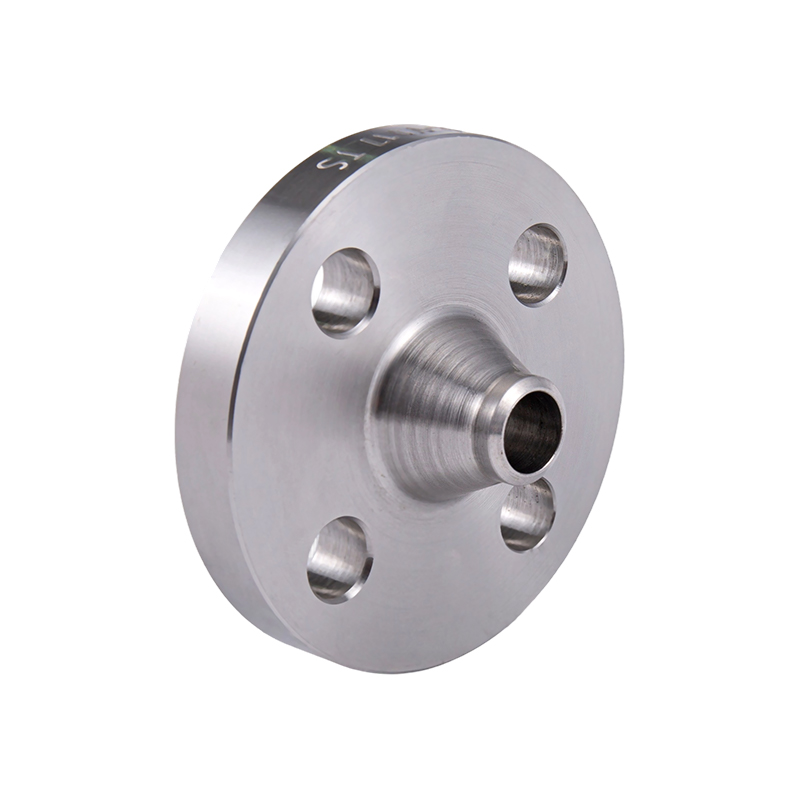
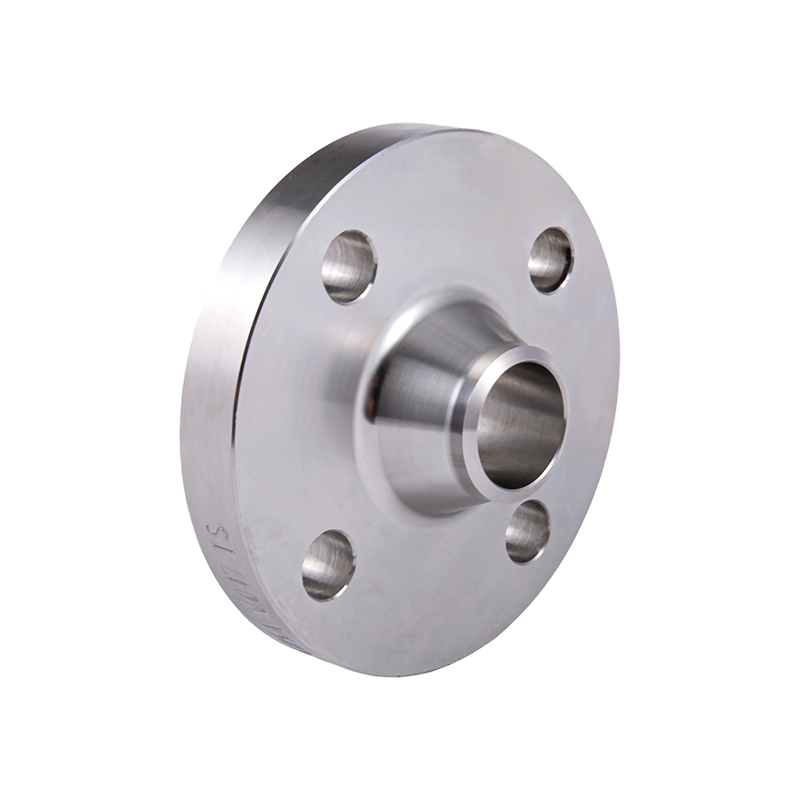
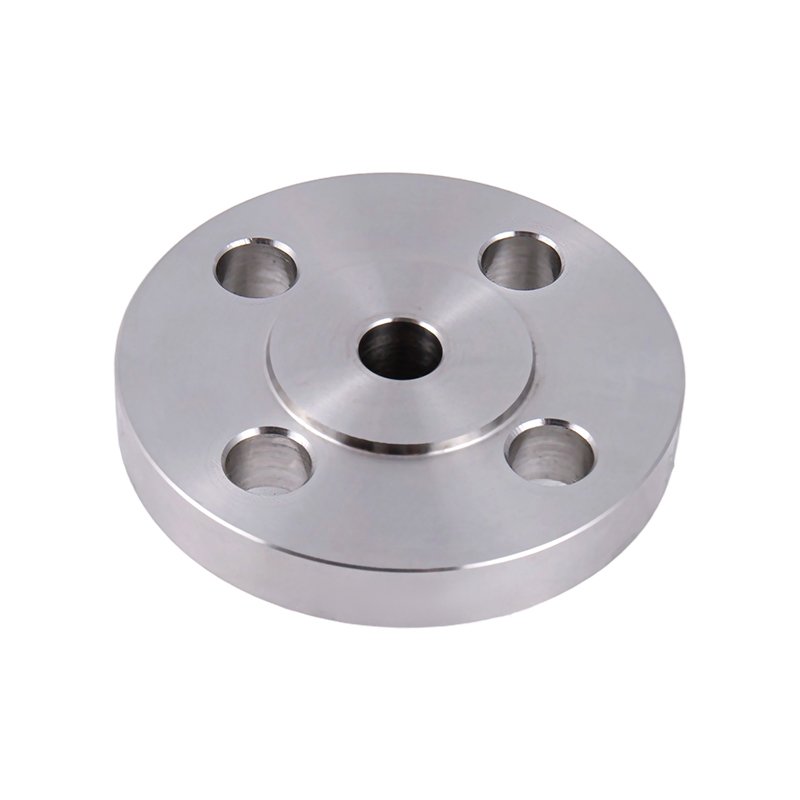
A forged flange is a pipe connection component produced by shaping solid metal billets under high compressive force — either through hammering, pressing, or rolling — rather than pouring molten metal into a mold. The forging process works the metal in its solid state, aligning and refining the internal grain structure to produce a denser, more homogeneous material with significantly improved mechanical properties.
Forged flanges are manufactured from high-quality forged steel, including carbon steel grades such as ASTM A105, alloy steel grades including A182 F11 and F22, and stainless steel grades such as A182 F304 and F316. The choice of material depends on the operating environment — temperature range, pressure class, fluid chemistry, and corrosion exposure. This combination of controlled material selection and mechanical forging produces flanges capable of maintaining reliable performance in high-temperature, high-pressure, and corrosive environments.
Understanding how forged flanges are made requires following the material through each production stage, from raw billet to finished, tested component ready for installation.
Production begins with the selection of steel billets or bars that comply with the relevant material standard. Before any processing begins, incoming material undergoes chemical composition analysis and mechanical property verification. This step confirms that carbon content, alloying elements, and tensile properties fall within the specified range. Every material heat is traceable — a requirement for flanges used in pressure-bearing systems governed by ASME, ANSI, DIN, JIS, or GB standards.
The verified billet is cut to the calculated blank weight and volume, accounting for material flow during forging and machining allowances. The blank is then heated in a controlled furnace to the forging temperature range — typically 1,100°C to 1,250°C for carbon and alloy steel. Precise temperature control is critical: insufficient heat produces poor material flow and surface cracking, while excessive heat causes grain coarsening that weakens the final product.
The heated blank is shaped using one of three primary forging methods, selected based on flange size, complexity, and production volume:
All three methods achieve the same fundamental goal: forcing the metal to flow and compact under pressure, eliminating internal voids, refining grain size, and establishing a continuous grain flow pattern aligned with the flange geometry. This grain continuity is the primary reason forged flanges outperform cast equivalents in fatigue and tensile applications.
After forging, the flange blank undergoes heat treatment to relieve residual stresses and optimize mechanical properties. Normalizing refines grain structure and ensures uniformity throughout the cross-section. For higher-grade applications, quenching and tempering are used to achieve specific combinations of strength and toughness. The heat treatment cycle is documented and forms part of the material traceability record.
The heat-treated blank is finish-machined to final dimensions using CNC turning, boring, facing, and drilling operations. This stage produces the flange face finish, bores the center opening, and drills the bolt hole pattern to the exact spacing and diameter required by the applicable standard — ASME B16.5, DIN EN 1092-1, JIS B2220, or equivalent. Dimensional accuracy at this stage directly determines sealing performance in service. High-quality forged flanges achieve tight tolerances that ensure reliable metal-to-metal or gasket-assisted sealing across pressure classes from 150# to 2500#.
Every batch of finished flanges undergoes dimensional inspection, visual examination, and — for higher-pressure classes — non-destructive testing (NDT). Methods include Ultrasonic Testing (UT) to detect subsurface defects, Magnetic Particle Inspection (MPI) for surface cracks, and Dye Penetrant Testing (DPT) for fine surface discontinuities. A Mill Test Certificate (MTC) to EN 10204 3.1 is issued with each shipment, documenting chemical analysis and mechanical test results including tensile strength, yield strength, elongation, and hardness.
The forged flange vs cast flange question is one of the most important decisions in piping system design. Both manufacturing methods are established and widely used — but they produce components with fundamentally different material structures and performance characteristics. The table below summarizes the key differences.
| Comparison Factor | Forged Flange | Cast Flange |
|---|---|---|
| Manufacturing Method | Solid-state compression and shaping | Molten metal poured into a mold |
| Internal Grain Structure | Dense, continuous, aligned grain flow | Random, coarser grain structure |
| Tensile Strength | ~30% higher than cast equivalent | Lower — limited by casting porosity |
| Internal Defects | Eliminated by forging pressure | Risk of porosity, inclusions, shrinkage |
| Pressure Rating | Class 150 to Class 2500 | Generally Class 150 to Class 300 |
| Corrosion Resistance | Better — lower carbon content, denser surface | More susceptible to localized pitting |
| Shape Complexity | Moderate — some shapes require die tooling | High — complex shapes easily achieved |
| Unit Cost | Higher | Lower |
| Recommended Application | High-pressure, high-temperature, critical service | Low-to-medium pressure, non-critical service |
The core structural difference is grain continuity. In a forged flange, the grain flows around the geometry of the component — through the hub, across the flange face, and around the bolt holes — in an unbroken pattern. This produces superior resistance to fatigue cracking under cyclic loading and pressure fluctuation. Cast flanges solidify from molten metal, producing a random grain structure that is more susceptible to internal defects and less resistant to dynamic stress.
For applications in petroleum, natural gas, chemical processing, and power generation — where system failures carry serious safety consequences — forged flanges are the engineering standard. Cast flanges remain appropriate for low-pressure utility systems, HVAC, and non-critical water distribution where cost is the primary consideration and operating conditions are not demanding.
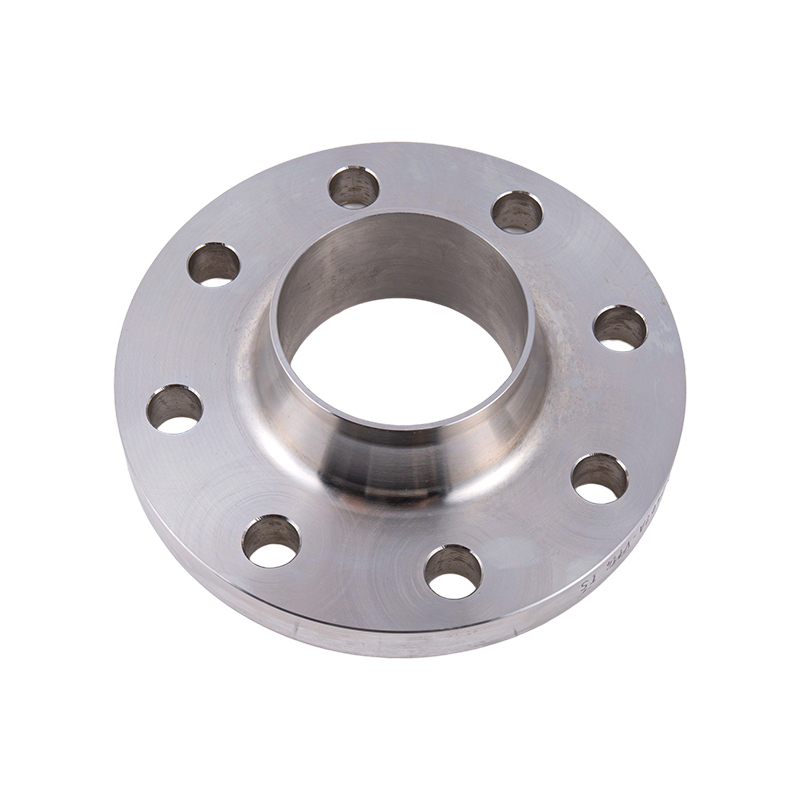
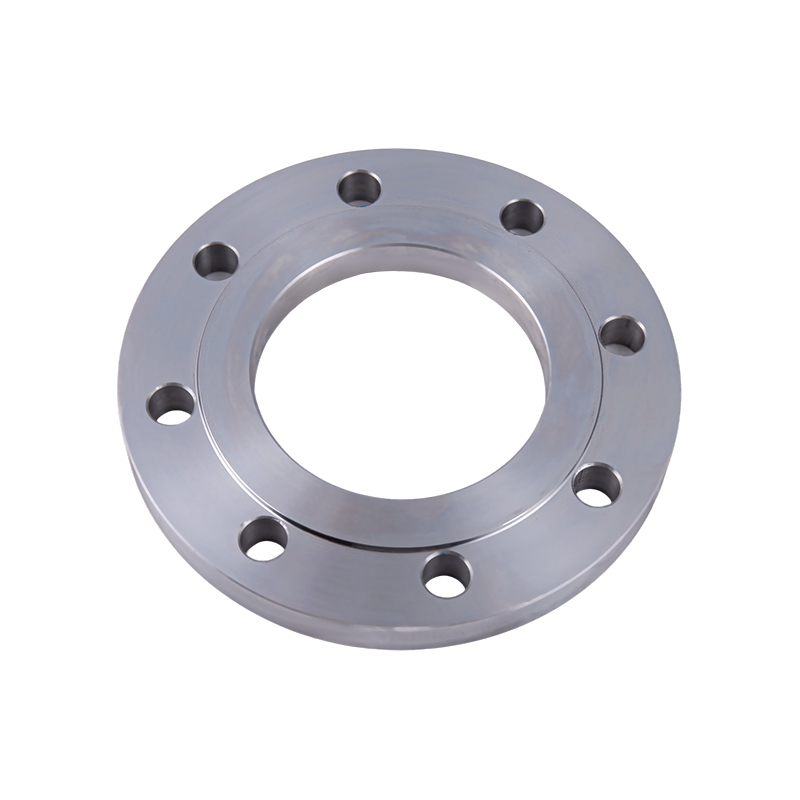
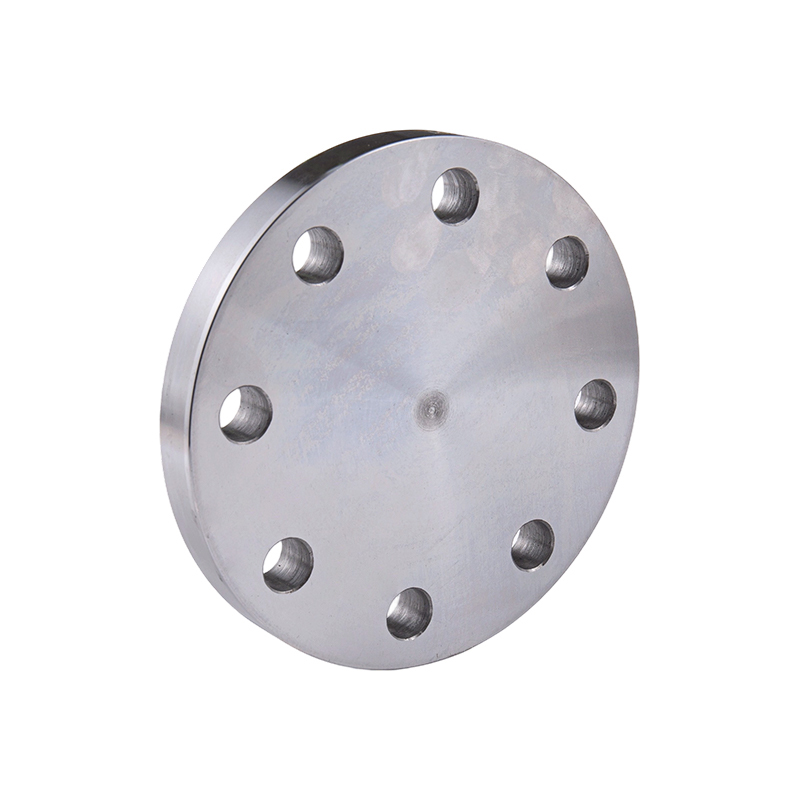
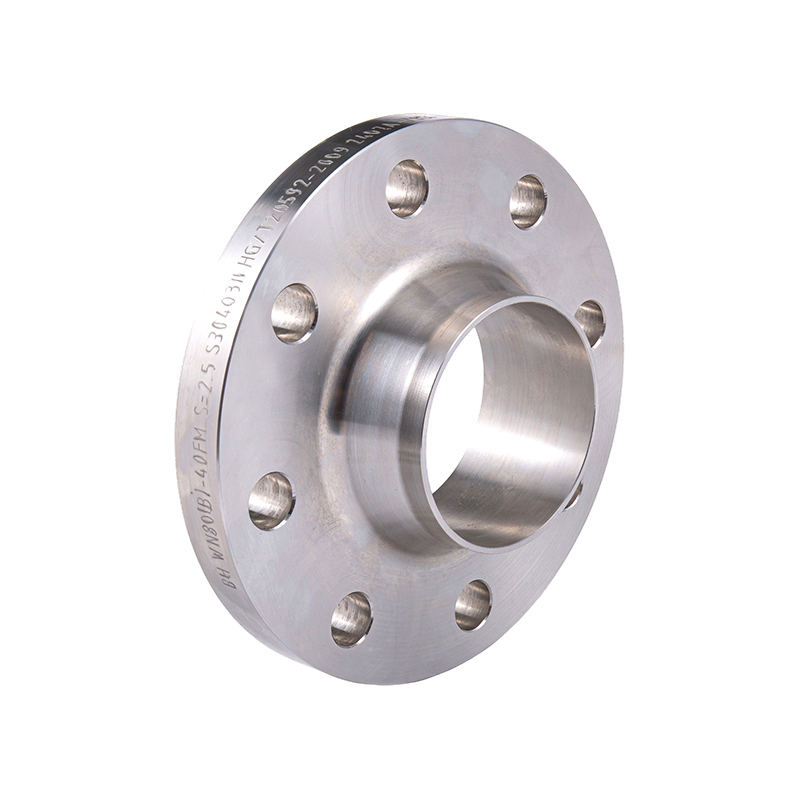
Standard forged flanges are available in a range of connection types, each suited to different installation and service requirements. Understanding the differences helps engineers select the correct type for each joint in the system:
All standard forged flanges comply with major international standards including ANSI/ASME B16.5, DIN EN 1092-1, JIS B2220, and GB/T 9115, ensuring dimensional interchangeability across globally sourced piping components. Products are available across a full range of nominal pipe sizes and pressure classes, with customized solutions available for non-standard dimensions, special materials, or project-specific facing requirements.
When selecting between a forged flange and a cast flange, and when choosing the appropriate type within the forged range, the following factors should guide the decision:
For projects in oil and gas, petrochemical plants, power generation, and industrial processing — where the safety and stability of piping systems is non-negotiable — specifying high-quality standard forged flanges with full documentation is both the technically correct and commercially sound choice.
Products
Contact info.
+86-573-8553-5198
+86-136-1655-8299
+86-573-8553 5198
No. 207, Chuangye Road, Zhapu Town, Pinghu City, Zhejiang Province, China
QR Code
 Forged Stainless Steel Flanges Suppliers