English
 Español

Need Help Now? Call Us!
+86-573-8553-5198
Need Help Now? Call Us!
+86-573-8553-5198
Our team proudly offers an on-time guarantee and a 100% customer satisfaction guarantee.
Contact Online


Content
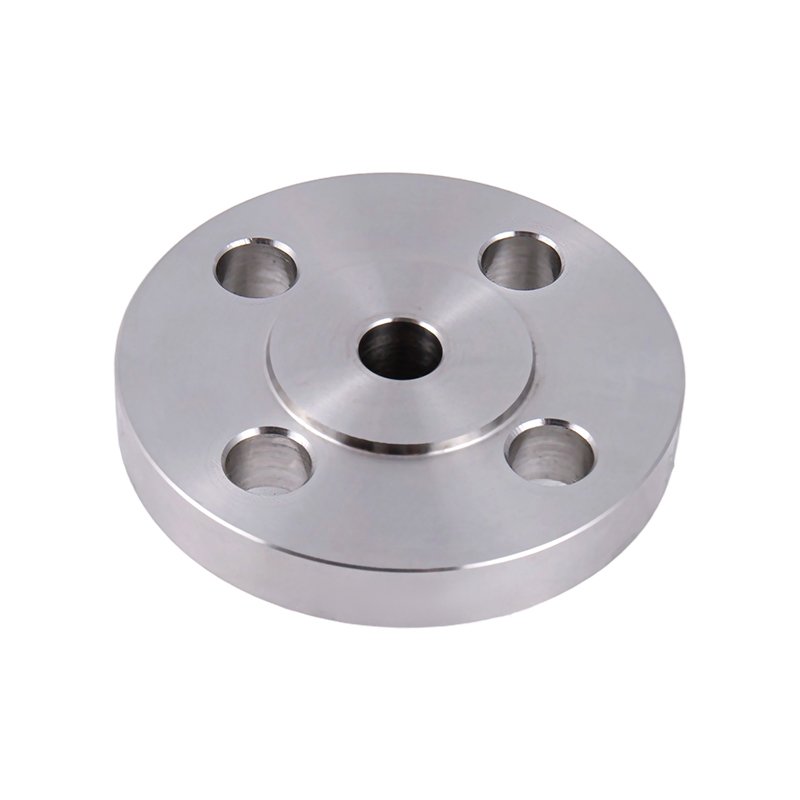
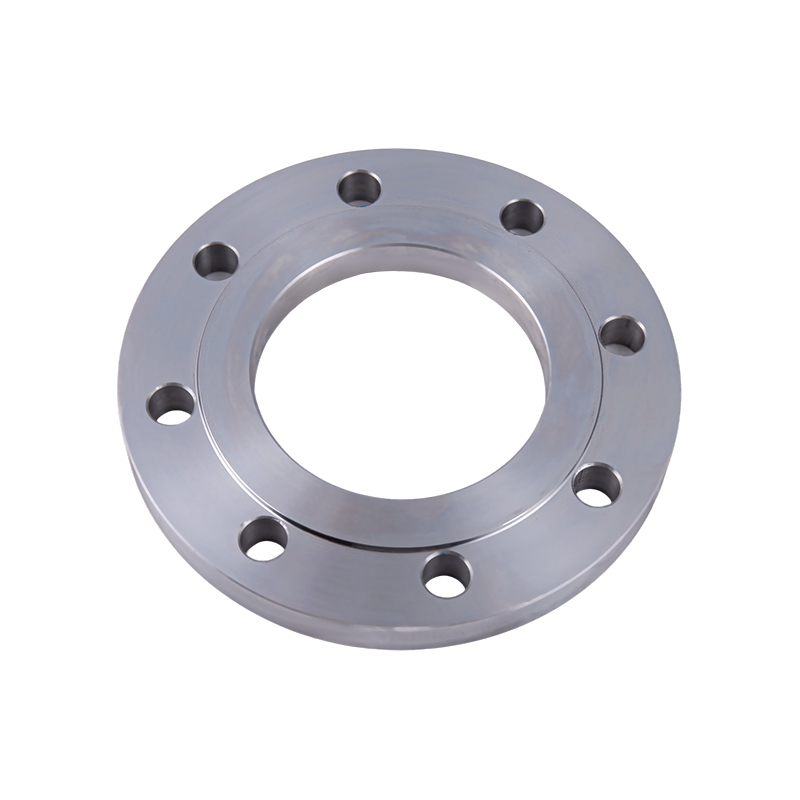
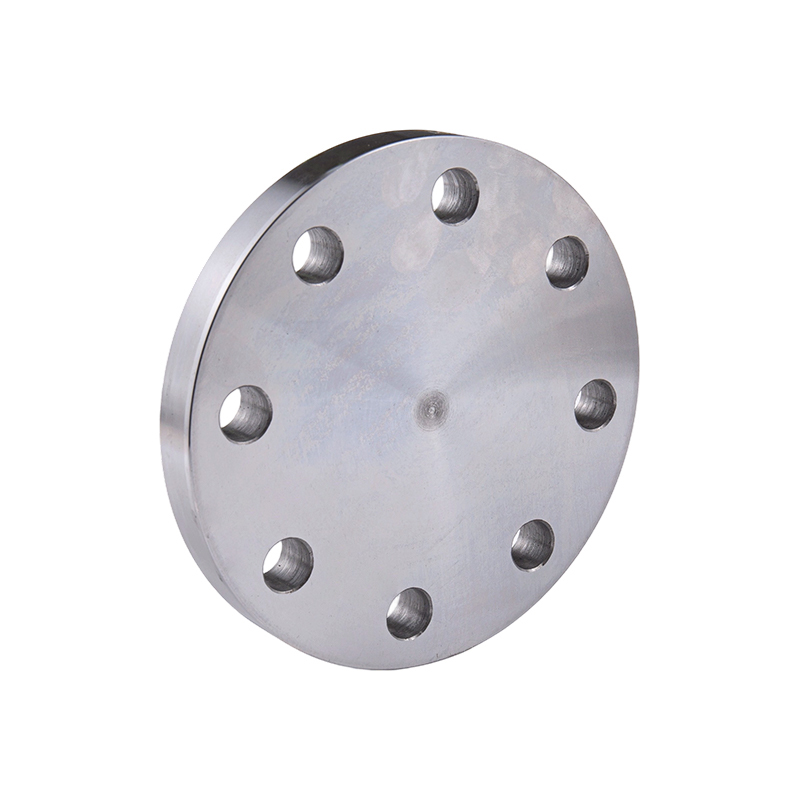
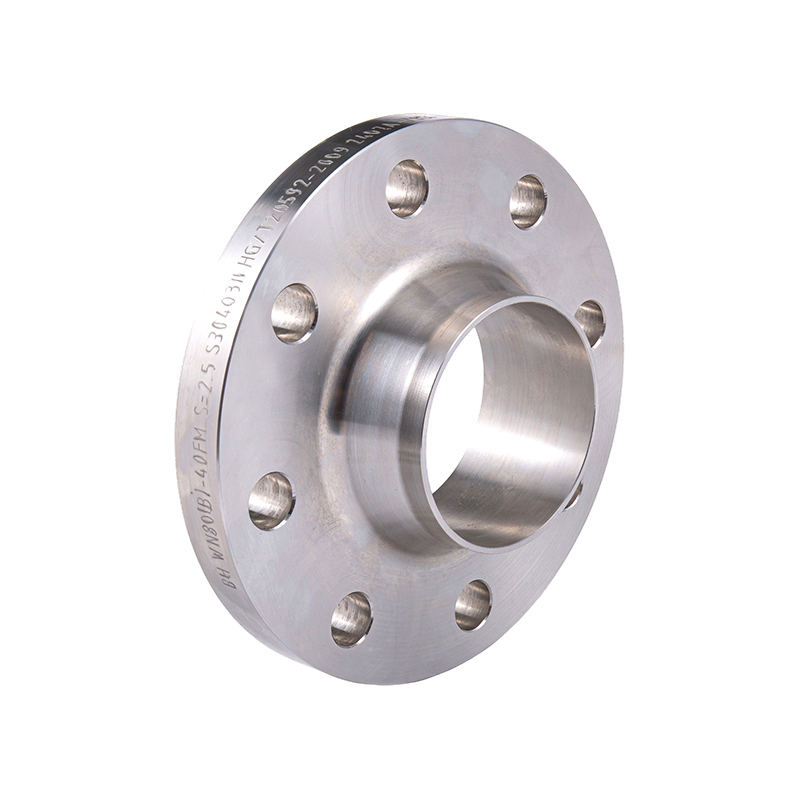
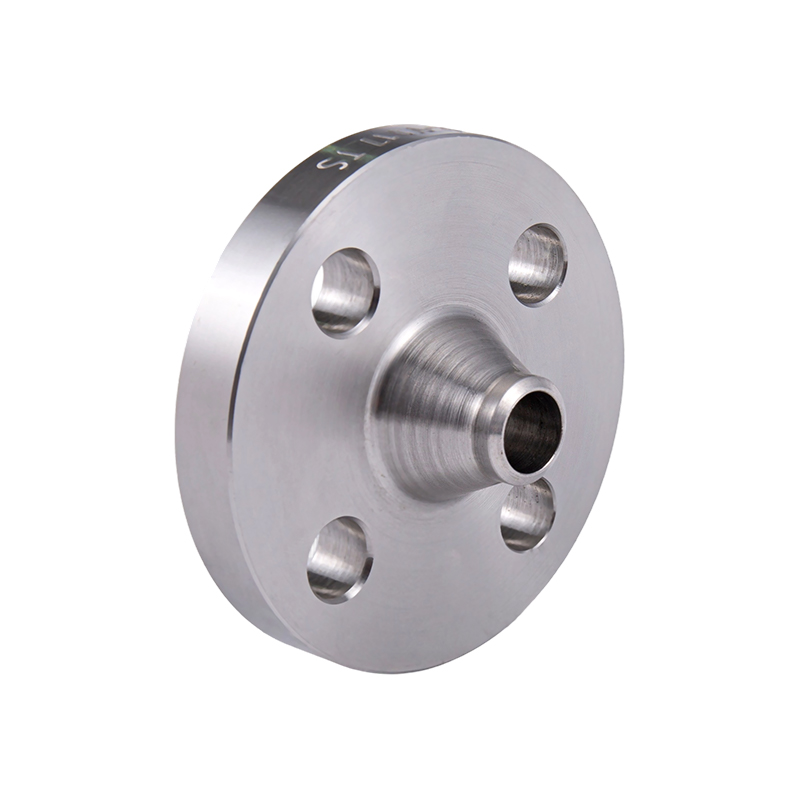
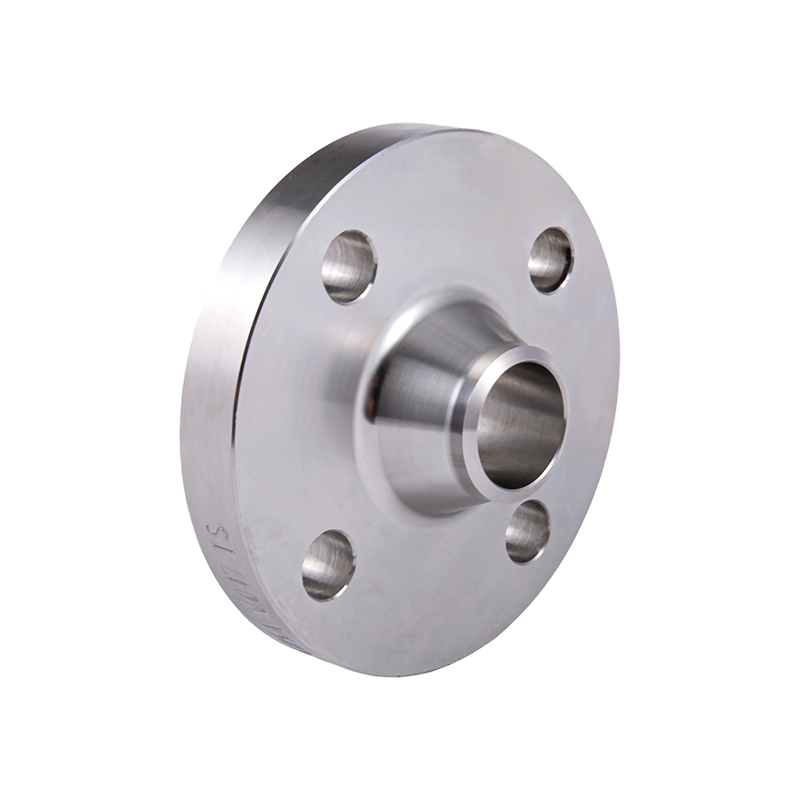
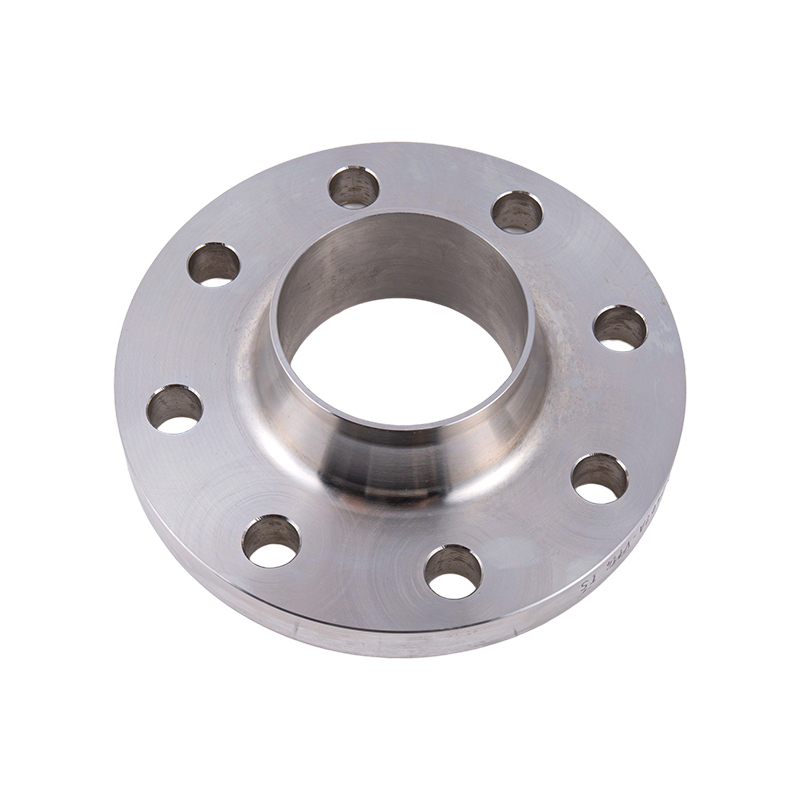
Non-standard flanges are flange components that fall outside the dimensional parameters defined by widely adopted international standards such as ANSI/ASME B16.5, DIN 2576, or JIS B2220. While these published standards cover an extensive range of pipe sizes, pressure classes, and face types, they cannot anticipate every engineering scenario. Certain piping systems — particularly those designed for extreme operating conditions, unconventional geometries, or legacy equipment integration — require connection components that simply do not exist within any standard catalog. Non-standard flanges are the engineered solution to this gap.
The need for non-standard flanges arises in several distinct situations. A plant may need to connect new process equipment to an existing pipeline that was originally built to a now-obsolete national standard. A marine engineering project may require flanges with face geometries that accommodate vibration-dampening gasket assemblies not addressed by any current standard. A high-pressure hydraulic system may demand pressure ratings or bore configurations that exceed the scope of standard flange classes. In each of these cases, the only viable solution is a custom-engineered flange designed from scratch to meet the specific system requirements.
The distinction between non-standard and standard flanges is not merely dimensional — it is also a question of engineering responsibility. When a flange falls outside published standards, the burden of proving its suitability for service falls entirely on the manufacturer and the specifying engineer. This makes rigorous design, material selection, and quality control not just best practice, but essential to the safe operation of any system where non-standard flanges are installed.
Several industries routinely operate at the boundaries of what standard flange catalogs can accommodate. In these sectors, non-standard flanges are not an exception — they are a regular engineering tool used across maintenance, expansion, and new construction projects.
Petrochemical plants and oil refineries handle an enormous variety of process fluids at extreme temperatures and pressures. Many of these facilities have been operating and expanding incrementally for decades, resulting in piping networks that combine components from multiple eras and national standards. Non-standard flanges are frequently required to create transition connections between legacy piping and modern process equipment, or to accommodate reactor vessels and heat exchangers with custom nozzle configurations. Material selection is also critical in this sector — flanges may need to be fabricated from duplex stainless steel, Inconel, or other corrosion-resistant alloys that are not available in standard off-the-shelf configurations.
Steam turbines, boiler systems, and cooling water circuits in power generation facilities operate under conditions that push standard flanges to their design limits. High-temperature, high-pressure steam lines often require flanges with wall thicknesses, bolt circle diameters, or face configurations that exceed standard Class 2500 ratings. Nuclear power applications introduce an additional layer of complexity, with flanges needing to meet stringent nuclear quality assurance requirements and traceability standards that go far beyond conventional manufacturing documentation.
Shipboard piping systems must accommodate space constraints, vibration, and corrosive saltwater environments simultaneously. Hull penetrations, sea chest connections, and engine room piping frequently require flanges with non-standard bolt patterns, reduced outside diameters to fit within tight structural compartments, or special face configurations for elastomeric sealing systems. Marine classification societies such as Lloyd's Register, DNV, and Bureau Veritas have their own supplementary requirements that may further deviate from standard dimensional series.
Manufacturers of specialized industrial machinery — compressors, pumps, mixing vessels, filtration systems — often design proprietary connection interfaces that optimize fluid flow paths or minimize envelope dimensions. These OEM flange designs are inherently non-standard and must be reproduced precisely for maintenance and replacement purposes. Even minor deviations in bolt hole position or face diameter can prevent proper assembly or compromise sealing integrity.
The flexibility that makes non-standard flanges valuable also makes their specification process more demanding. Every design parameter that a standard flange resolves by reference to a published table must instead be explicitly defined and justified by the project engineer. The following parameters are the most commonly customized:
Understanding the trade-offs between standard and non-standard flanges helps engineers make informed sourcing and design decisions. The table below summarizes the key differences across the most relevant evaluation criteria:
| Criteria | Standard Flanges | Non-Standard Flanges |
|---|---|---|
| Lead Time | Short (stock availability) | Longer (custom production) |
| Design Flexibility | Limited to catalog dimensions | Fully customizable |
| Unit Cost | Lower | Higher (engineering + machining) |
| System Fit | May require adapters | Precise fit guaranteed |
| Material Options | Common grades only | Any machinable alloy |
| Documentation | Standard mill certs | Full traceability, test reports |
The higher unit cost of non-standard flanges is almost always justified when the alternative is forcing a standard component into an application where it cannot perform reliably. A failed flange joint in a high-pressure process line carries far greater costs — in downtime, repair labor, and potential safety consequences — than the premium paid for a correctly engineered custom component.
Producing non-standard flanges demands a level of technical expertise and process discipline that significantly exceeds what is required for standard catalog items. Because there is no published standard to fall back on for dimensional verification, every aspect of the manufacturing process must be tightly controlled and documented.
Production typically begins with a detailed design review, during which the manufacturer's engineering team validates the customer's drawings or specifications against applicable pressure vessel design codes — most commonly ASME VIII, EN 13445, or equivalent national standards. Stress calculations are performed to confirm that the proposed flange geometry and material combination can safely sustain the specified pressure-temperature conditions with appropriate safety margins. Where necessary, finite element analysis (FEA) is used to evaluate stress concentrations at non-standard geometric transitions.
Raw material selection and traceability are especially critical for non-standard flanges. Material test reports (MTRs) must confirm that the supplied material meets the specified chemical composition and mechanical property requirements. For critical applications, supplementary testing — including impact testing, hardness surveys, and positive material identification (PMI) — is carried out prior to machining.
Machining of non-standard flanges is performed on CNC turning and milling centers capable of holding dimensional tolerances within ±0.05mm or tighter where sealing faces are involved. After machining, dimensional inspection is conducted using coordinate measuring machines (CMM) to verify all critical dimensions against the approved drawing. Non-destructive testing — including dye penetrant inspection (DPI) or magnetic particle inspection (MPI) — is applied to detect surface discontinuities before the component is released.
The final documentation package for a set of non-standard flanges typically includes the approved manufacturing drawing, material test certificates, dimensional inspection reports, NDT reports, and a certificate of conformance. This complete traceability package is essential for satisfying the quality assurance requirements of major industrial clients and regulatory bodies in sectors such as petrochemical, power generation, and marine engineering.
The quality of a non-standard flange order begins with the quality of its specification. Incomplete or ambiguous information provided to the manufacturer is the most common source of costly delays and non-conforming parts. The following checklist covers the minimum information required to place a technically complete non-standard flange order:
Providing complete specification information upfront eliminates the most common sources of manufacturing error and ensures that the finished non-standard flanges deliver the precise fit and optimal performance that complex piping systems demand. Engaging the manufacturer's engineering team early in the design process — rather than simply transmitting a drawing — often reveals opportunities to simplify geometry, reduce cost, or improve manufacturability without compromising functional requirements.
Products
Contact info.
+86-573-8553-5198
+86-136-1655-8299
+86-573-8553 5198
No. 207, Chuangye Road, Zhapu Town, Pinghu City, Zhejiang Province, China
QR Code
 Forged Stainless Steel Flanges Suppliers