Our team proudly offers an on-time guarantee and a 100% customer satisfaction guarantee.
Contact Online
Contact us by sending an inquiry or by phone or e-mail.
+86-573-8553-5198 Contact UsContent
In the oil and gas industry, pipeline reliability is not a preference — it is an operational and safety imperative. Every connection point in a high-pressure system represents a potential failure zone, and no component carries more responsibility for joint integrity than flanged pipe fittings. These engineered components are designed specifically to create secure, repeatable, and maintainable connections between pipes, valves, pumps, and pressure vessels. Their ability to withstand the extreme thermal cycling, pressure surges, and corrosive media that characterize upstream and downstream oil and gas operations makes them irreplaceable in modern piping infrastructure.
At Jiaxing Baihui Machinery Manufacturing Co., Ltd., we engineer flanged pipe fittings to meet the performance demands of the oil and gas sector and beyond — combining precision manufacturing with material science to deliver fittings that perform consistently under the most challenging field conditions.
A flanged joint consists of two mating flanges compressed together with a gasket between them, secured by bolts. This assembly creates a mechanically robust, pressure-rated connection that can be opened and re-sealed repeatedly without degrading the pipe itself. Unlike welded connections, which are permanent and require cutting for access, flanged joints support planned maintenance, emergency inspection, and component replacement — all critical advantages in live industrial systems where downtime carries significant cost.
Flanged pipe fittings are used at key transition points throughout a pipeline: where pipes connect to valves or pumps, where diameter changes occur, where different pipe materials meet, and wherever the system requires periodic isolation or inspection access. Their versatility across these functions makes them the default choice for engineers designing systems that must be both high-performing and serviceable over a multi-decade lifespan.
Carbon steel is the most widely specified material for flanged pipe fittings in the oil and gas industry, and for well-founded engineering reasons. It offers an optimal combination of tensile strength, pressure resistance, weldability, and cost efficiency that few other materials can match at scale. Carbon steel flanged fittings are available across a broad range of grades, each suited to specific operating parameters:
| Grade | Standard | Typical Application |
| A105 | ASTM | Ambient to moderate temperature forged fittings |
| A350 LF2 | ASTM | Low-temperature service in LNG and cryogenic lines |
| A694 F65 | ASTM | High-yield pipeline fittings for transmission lines |
| P265GH / P250GH | EN 10222 | High-temperature pressure equipment in power and processing |
Each carbon steel grade is selected based on operating temperature range, internal pressure, fluid media, and applicable design code — whether ASME B16.5, EN 1092-1, or another international standard. Jiaxing Baihui Machinery Manufacturing Co., Ltd. maintains production capability across all major carbon steel grades, with full material traceability from mill certificate to finished component.
Not all flanged pipe fittings serve the same purpose. Selecting the correct flange type is as important as selecting the right material, and each design addresses a specific set of installation and operational requirements.
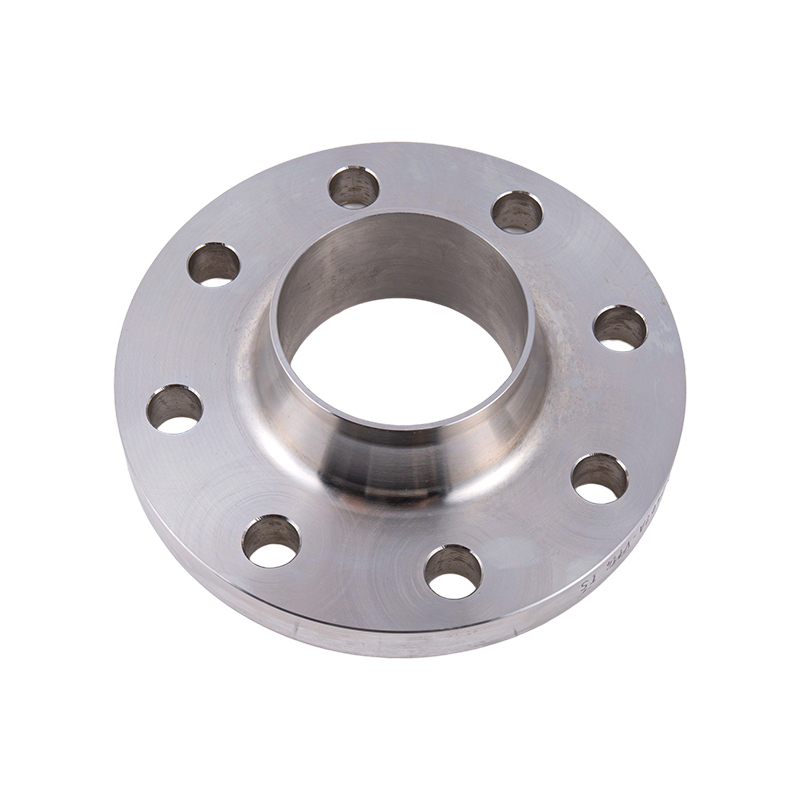
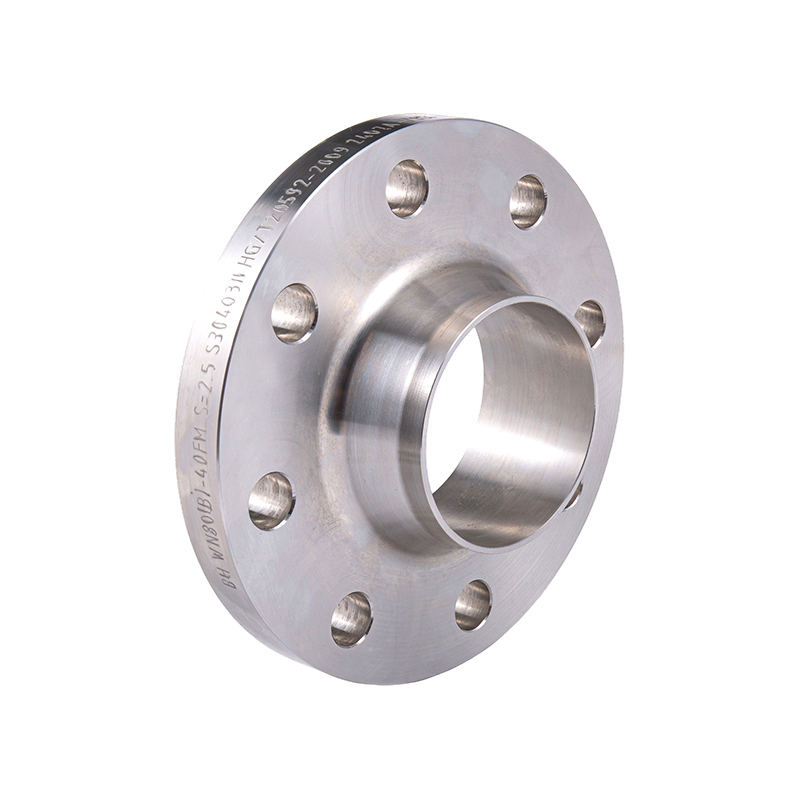
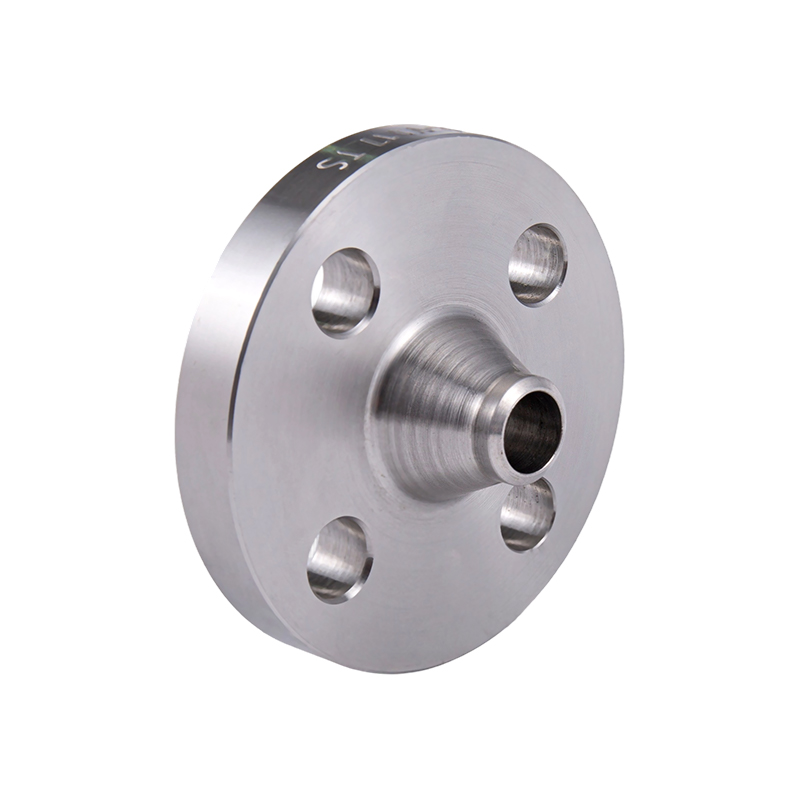
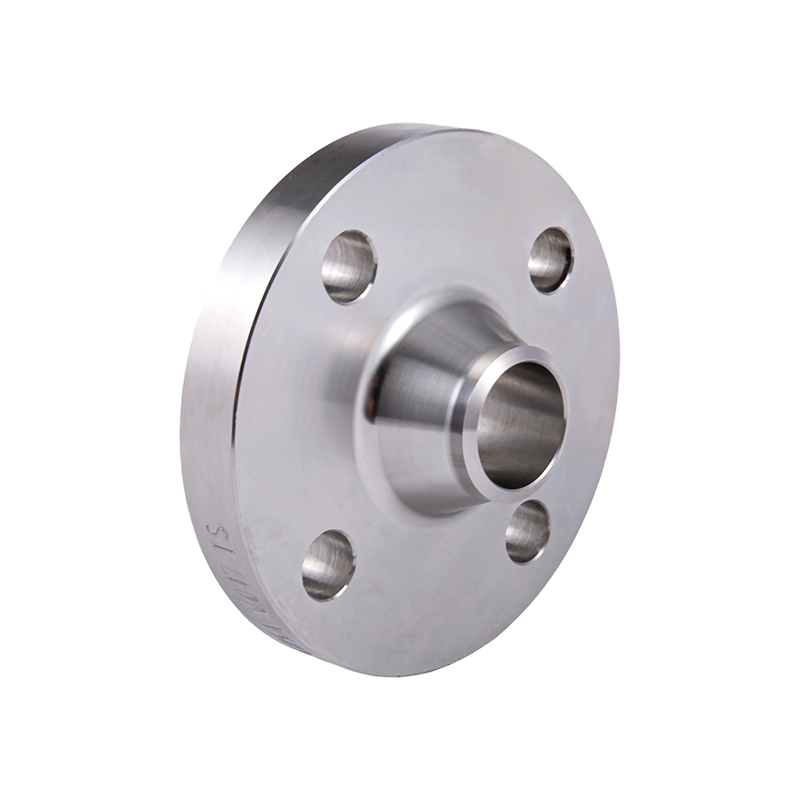
The weld neck flange is the standard choice for high-pressure, high-temperature, and cyclic service applications. Its long tapered hub distributes stress gradually from the flange to the pipe wall, eliminating stress concentration at the joint. This design is particularly favored in oil and gas transmission systems and refinery piping where pressure fluctuations and thermal expansion are continuous factors.
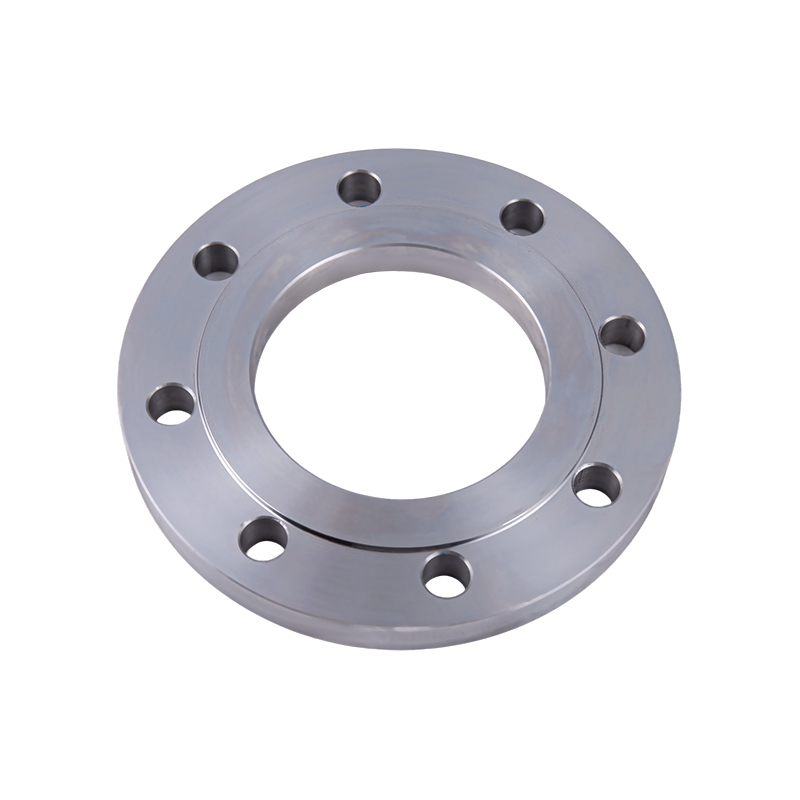
Slip-on flanges are economical and easy to align during installation. They are suitable for moderate pressure applications and are widely used in utility piping, water treatment, and secondary process lines. While their pressure rating is lower than weld neck flanges, they offer installation speed advantages that reduce labor costs in large-scale projects.
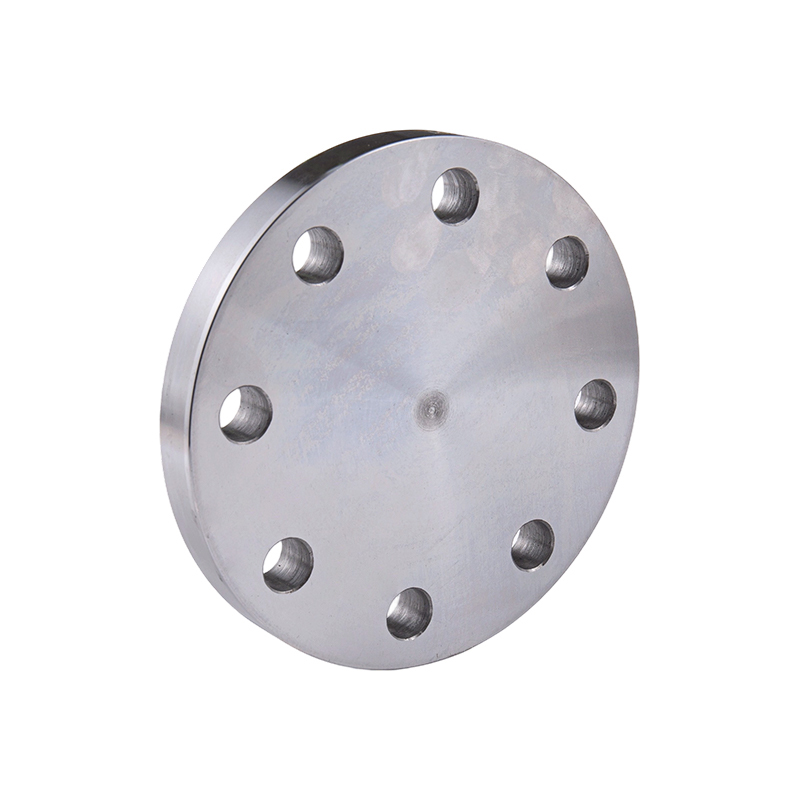
Blind flanges seal the end of a pipe or vessel opening. They are essential for pressure testing, system isolation, and temporary or permanent termination of pipeline sections. Carbon steel blind flanges are routinely used in oil and gas wellhead assemblies and process skid designs where future expansion ports must be capped.
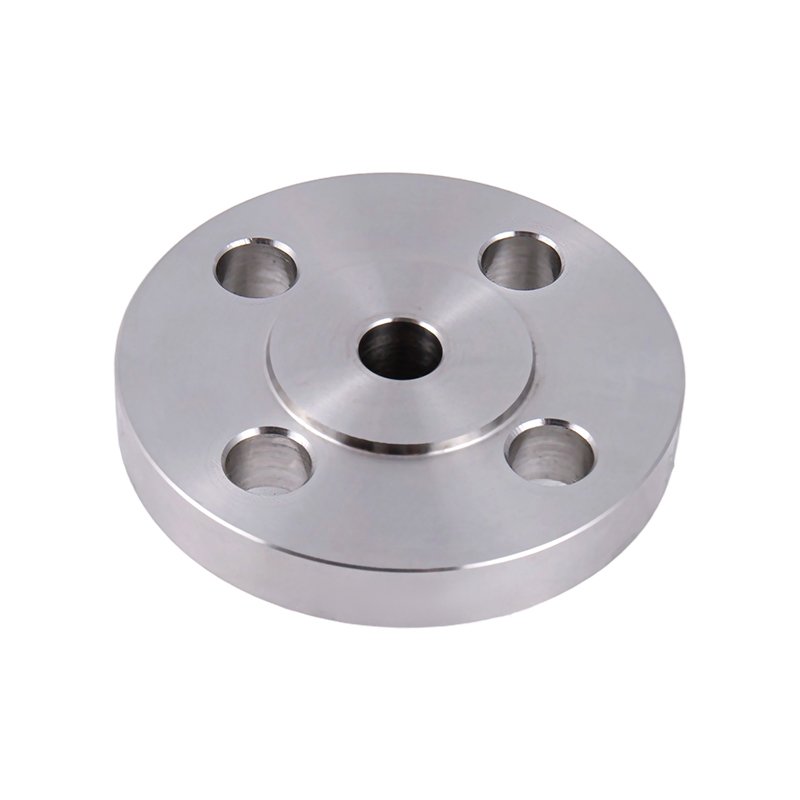
Socket weld flanges are used for small-bore, high-pressure piping where a smooth internal bore is critical for flow and cleaning. Threaded flanges offer the ability to connect to threaded pipe without welding, which is advantageous in hazardous areas where hot work permits are restricted. Both types are common in instrumentation and utility connections within oil and gas facilities.
Flanged pipe fittings are pressure-rated in classes that define the maximum allowable working pressure at a given temperature. Under ASME B16.5 — the most widely applied standard in the oil and gas sector — flanges are rated in pressure classes: 150, 300, 600, 900, 1500, and 2500. A Class 300 carbon steel flange, for example, can handle significantly higher pressures than a Class 150 flange at the same operating temperature, but the exact limit depends on the material group and temperature.
Key specification parameters that engineers and procurement teams must define before ordering include:
In the oil and gas industry, a single fitting failure can result in hydrocarbon release, fire, environmental damage, and production shutdown. This reality places quality assurance at the center of any responsible supply chain. At Jiaxing Baihui Machinery Manufacturing Co., Ltd., every batch of flanged pipe fittings undergoes a structured quality verification process before shipment:
Full material test reports (MTRs) are provided with every order, ensuring traceability from raw material heat to the finished flanged pipe fittings delivered on site.
Misspecification of flanged pipe fittings is more common than most project teams expect, and the consequences range from installation delays to costly mid-project redesigns. The most frequent errors include selecting a lower pressure class than the system design requires, failing to account for temperature derating when the carbon steel flange operates above 250°C, and mismatching facing types between mating flanges — which prevents proper gasket seating and leads to joint leaks.
Working with an experienced manufacturer like Jiaxing Baihui Machinery Manufacturing Co., Ltd. reduces these risks significantly. Our technical team reviews specifications against the intended service conditions before production begins, flagging potential issues in the design stage where corrections are straightforward and cost-free. For oil and gas projects with complex material requirements, special service conditions, or custom flange geometries, early supplier engagement is the most effective way to ensure that flanged pipe fittings arrive on schedule, fully compliant, and ready to perform reliably across their full service life.
Products
Contact info.
+86-573-8553-5198
+86-136-1655-8299
+86-573-8553 5198
No. 207, Chuangye Road, Zhapu Town, Pinghu City, Zhejiang Province, China