English
 Español

Need Help Now? Call Us!
+86-573-8553-5198
Need Help Now? Call Us!
+86-573-8553-5198
Our team proudly offers an on-time guarantee and a 100% customer satisfaction guarantee.
Contact Online


In any industrial piping system, the integrity of every connection point determines the safety and efficiency of the entire network. Among the many connection methods available to engineers and contractors, flanged pipe fittings and the union in pipe fittings stand out as two of the most widely specified solutions. Each serves a distinct functional purpose, and understanding how they work, where they excel, and how to select them correctly is fundamental to designing reliable pipeline systems across industries ranging from oil and gas to water treatment and chemical processing.
Content
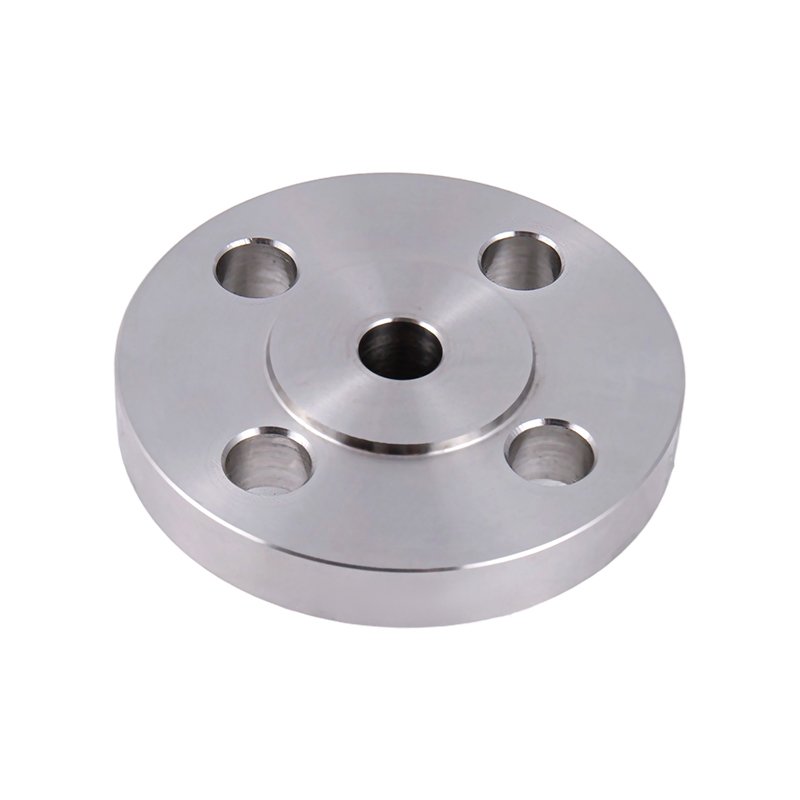
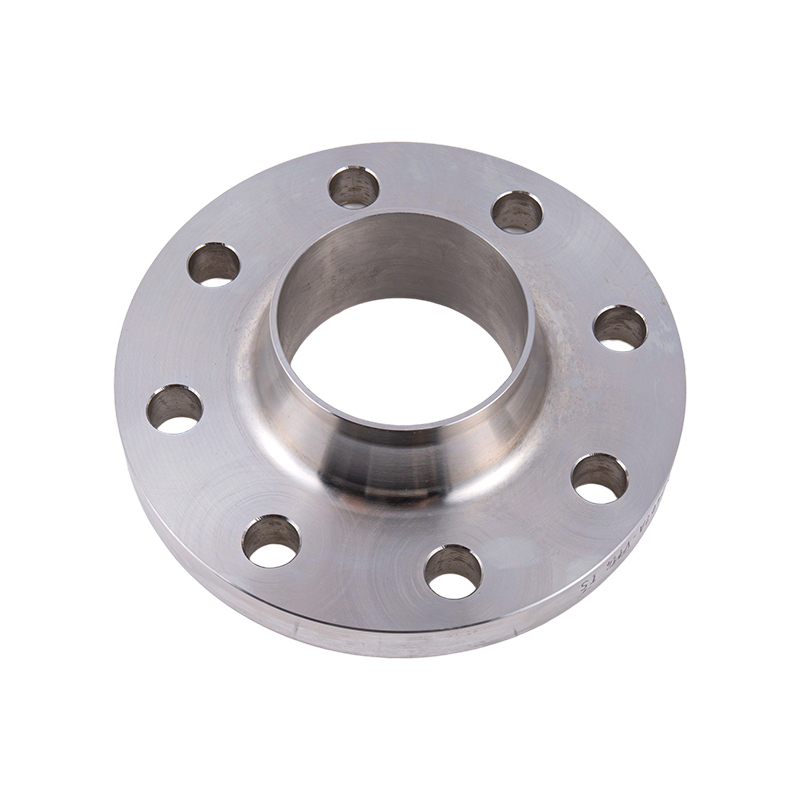
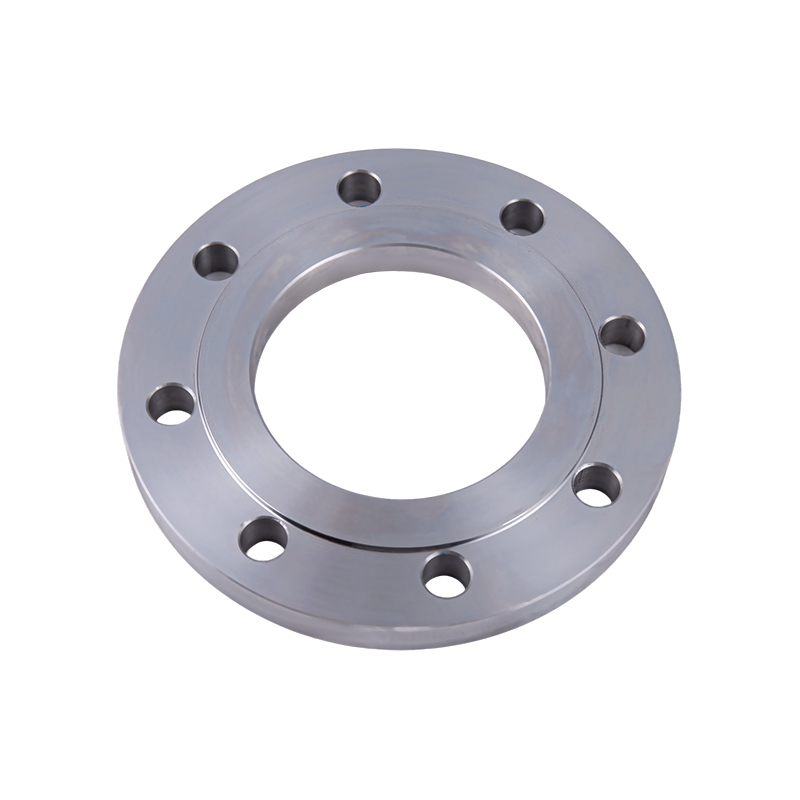
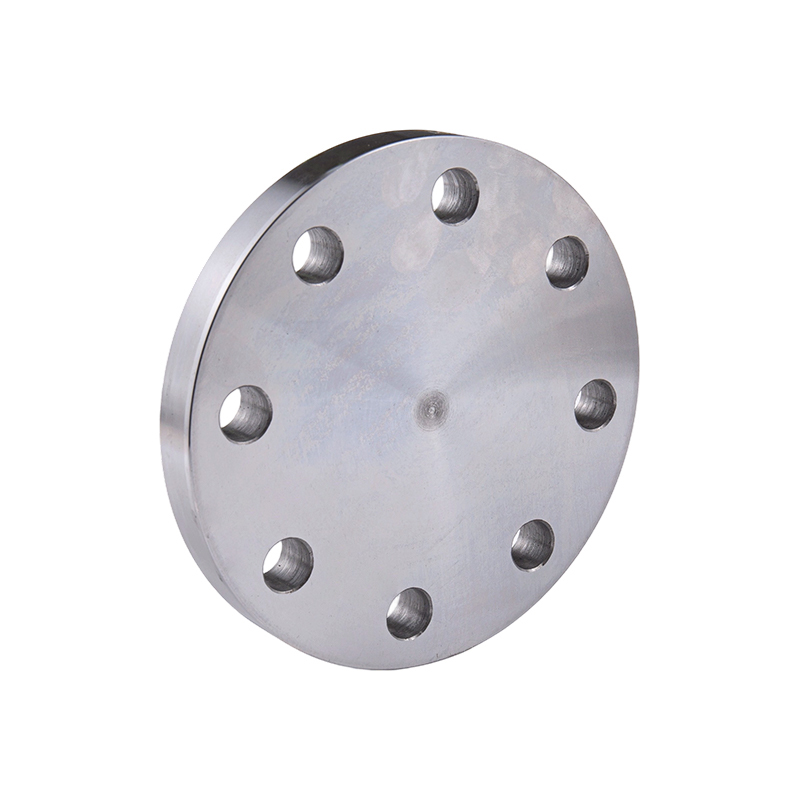
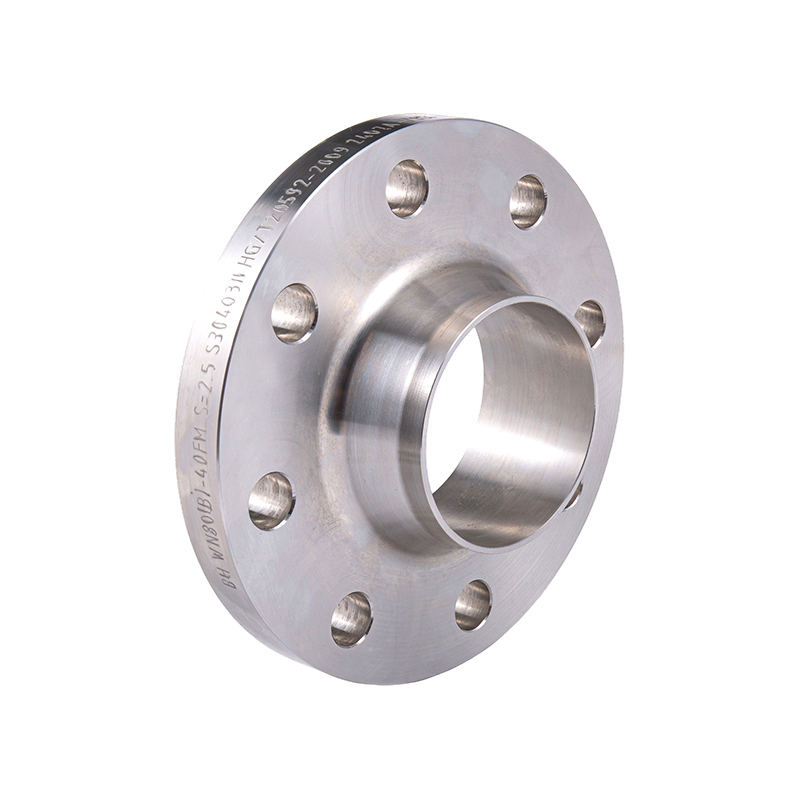
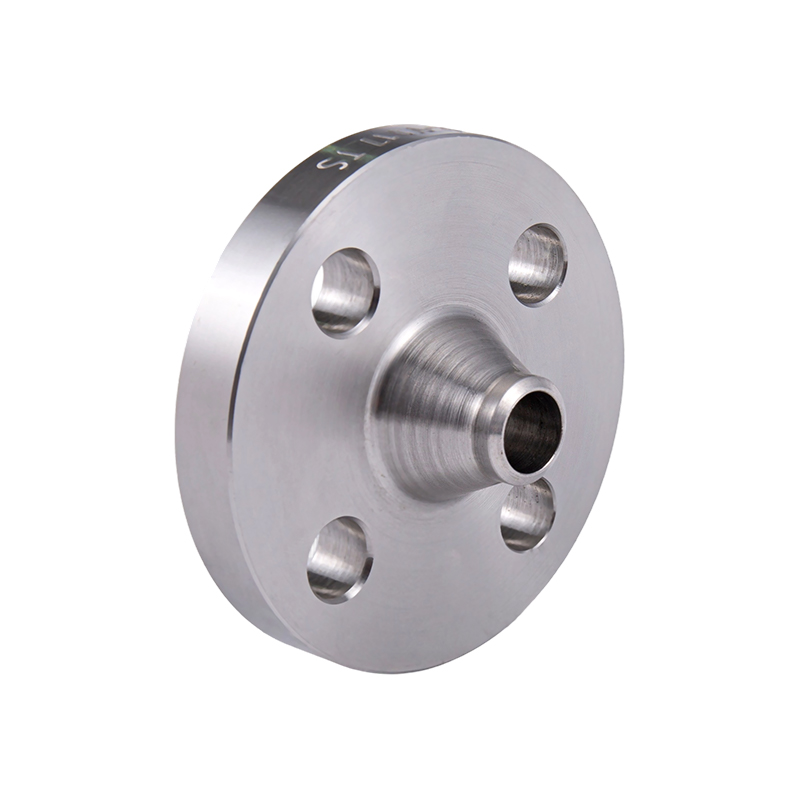
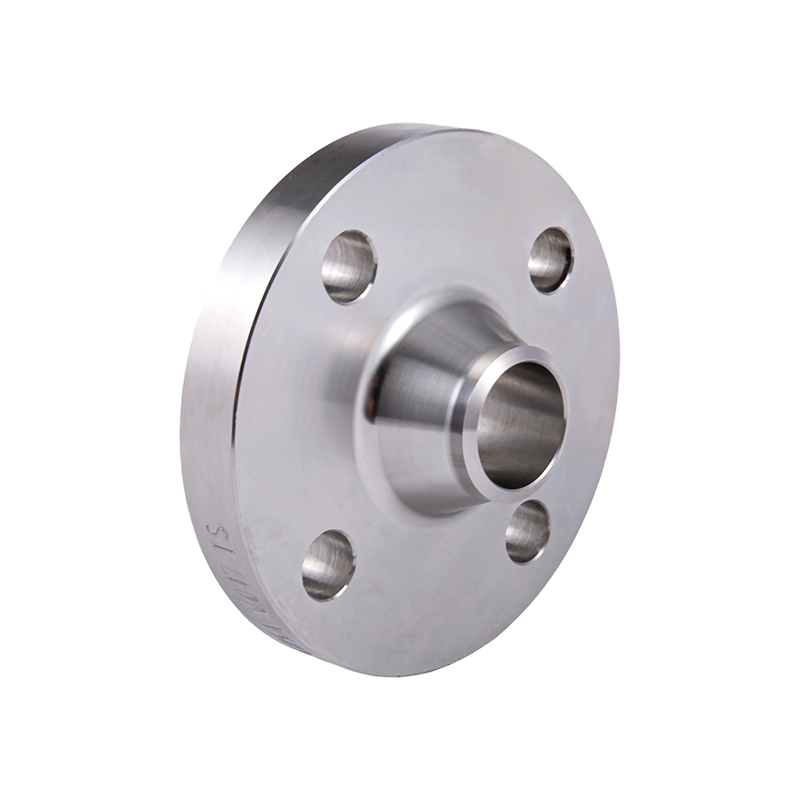
Flanged pipe fittings are mechanical components that use a projecting flat rim — the flange — to join pipes, valves, pumps, and equipment together. The two mating flanges are drawn together with bolts and a gasket placed between the faces to create a sealed, pressure-resistant joint. This bolted assembly can be disassembled and reassembled multiple times without damaging the pipe ends, making flanged connections the preferred choice wherever regular access for inspection, cleaning, or equipment replacement is required.
The design of a flanged fitting must accommodate the specific pressure, temperature, and fluid characteristics of the application. Flange faces are machined to precise tolerances so that the gasket compresses evenly under bolt load, preventing leaks even under thermal cycling and mechanical vibration. Different face types — including raised face, flat face, ring-type joint, and tongue-and-groove — are selected based on the service conditions and the gasket material used.
Flanged pipe fittings are available in a broad range of configurations to serve different connection geometries and installation requirements. The most frequently specified types include:
The material selection for flanged pipe fittings is driven by the operating environment, the fluid or gas being conveyed, and the mechanical demands of the system. The most common materials include carbon steel, stainless steel, and alloy steel, each offering distinct performance characteristics.
| Material | Key Properties | Typical Applications |
| Carbon Steel (A105) | High strength, cost-effective | Oil and gas, general industrial |
| Stainless Steel (304/316) | Corrosion resistant, hygienic | Chemical processing, food, pharma |
| Alloy Steel (F11/F22) | Elevated temperature resistance | Power generation, refineries |
| Duplex Stainless Steel | High strength + corrosion resistance | Offshore, seawater systems |
Pressure ratings for flanged pipe fittings are standardized under ASME B16.5 and ASME B16.47, covering seven pressure classes: 150, 300, 400, 600, 900, 1500, and 2500. Each class defines the maximum allowable working pressure at a given temperature for a specific material group. Selecting the correct pressure class is not simply a matter of matching the system's operating pressure — engineers must account for pressure surges, temperature derating, and future operational changes to ensure adequate safety margins throughout the service life of the installation.
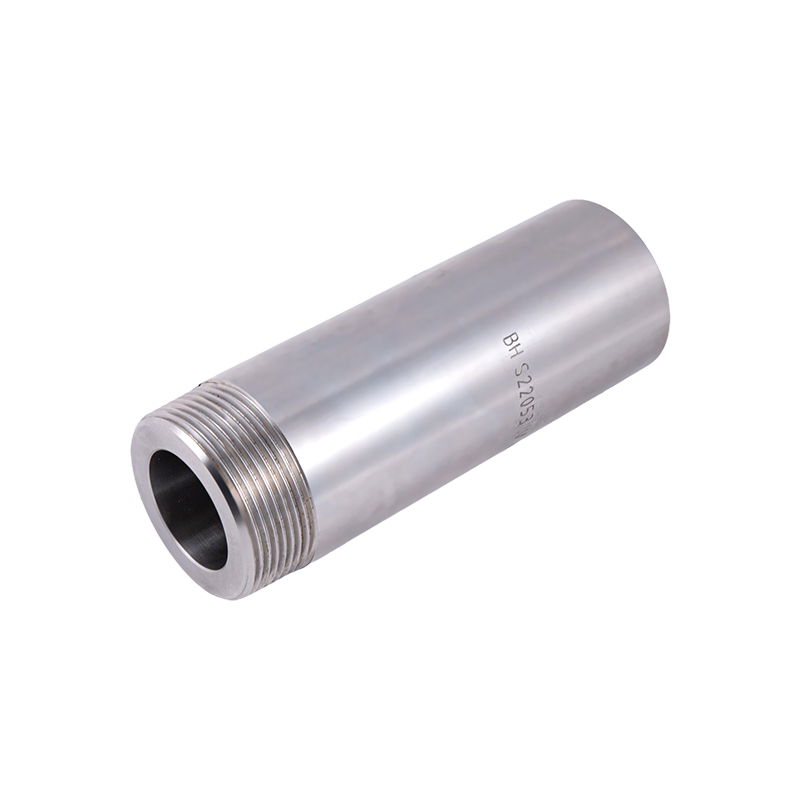
While flanged connections dominate large-diameter and high-pressure applications, the union in pipe fittings serves a critical role in smaller diameter systems where frequent disassembly is needed without the space or cost overhead of full flange assemblies. A union fitting consists of three parts: two end connectors that are permanently attached to the pipe ends, and a central nut that draws the two connectors together to form a sealed joint.
The defining advantage of a union in pipe fittings is that the entire connection can be broken and remade in seconds without disturbing the rest of the piping run. This is invaluable in maintenance-intensive systems where pumps, meters, strainers, and other inline equipment must be removed periodically for service. Unlike couplings or threaded joints that require rotation of the pipe itself to assemble, a union allows two fixed pipe ends to be joined simply by tightening the central nut — a significant practical benefit in congested mechanical spaces.
Union fittings are manufactured in several configurations to suit different connection methods and materials:
The sealing surface within the union fitting is typically a ground metal-to-metal seat or a soft seat using PTFE, rubber, or other gasket materials depending on the fluid and pressure rating. Stainless steel union fittings with PTFE seats are standard in chemical and pharmaceutical applications, while brass or carbon steel threaded unions are common in utility services and HVAC systems.
Both flanged pipe fittings and union in pipe fittings are demountable connections, but they serve different operational scales and conditions. The choice between them should be guided by pipe diameter, pressure class, maintenance frequency, and available installation space.
Precision engineering and adherence to international standards are non-negotiable for both flanged pipe fittings and union in pipe fittings used in critical applications. Flanged fittings are manufactured and tested to standards including ASME B16.5, EN 1092-1, and DIN 2501, while union fittings follow ASME B16.11 for socket weld and threaded types. Material certifications to ASTM or EN standards, combined with pressure testing and dimensional inspection reports, provide the traceability required for regulated industries.
During installation, flange bolt tightening must follow a cross-pattern sequence to ensure even gasket compression. Torque values should be calculated based on the bolt material, gasket type, and target bolt stress — not estimated. For union fittings, over-tightening the union nut can damage the seating surface and cause leaks, while under-tightening results in inadequate sealing force. Both connection types benefit from pre-installation inspection to verify that mating surfaces are clean, undamaged, and correctly dimensioned before assembly. Investing in correct installation practice from the outset eliminates the majority of premature connection failures seen in the field.
Products
Contact info.
+86-573-8553-5198
+86-136-1655-8299
+86-573-8553 5198
No. 207, Chuangye Road, Zhapu Town, Pinghu City, Zhejiang Province, China
QR Code
 Forged Stainless Steel Flanges Suppliers