English
 Español

Need Help Now? Call Us!
+86-573-8553-5198
Need Help Now? Call Us!
+86-573-8553-5198
Our team proudly offers an on-time guarantee and a 100% customer satisfaction guarantee.
Contact Online


Content
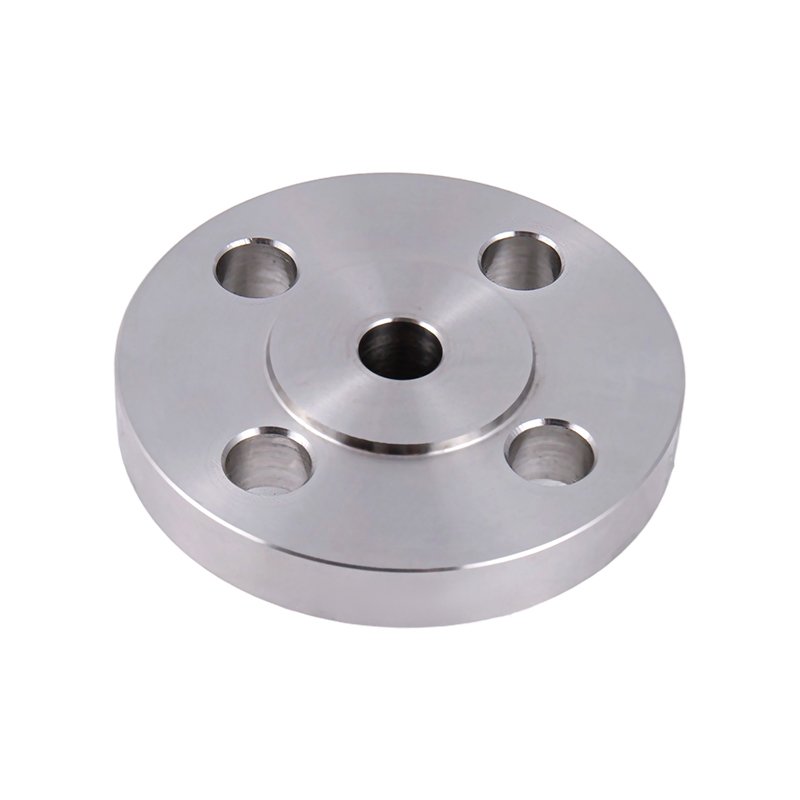
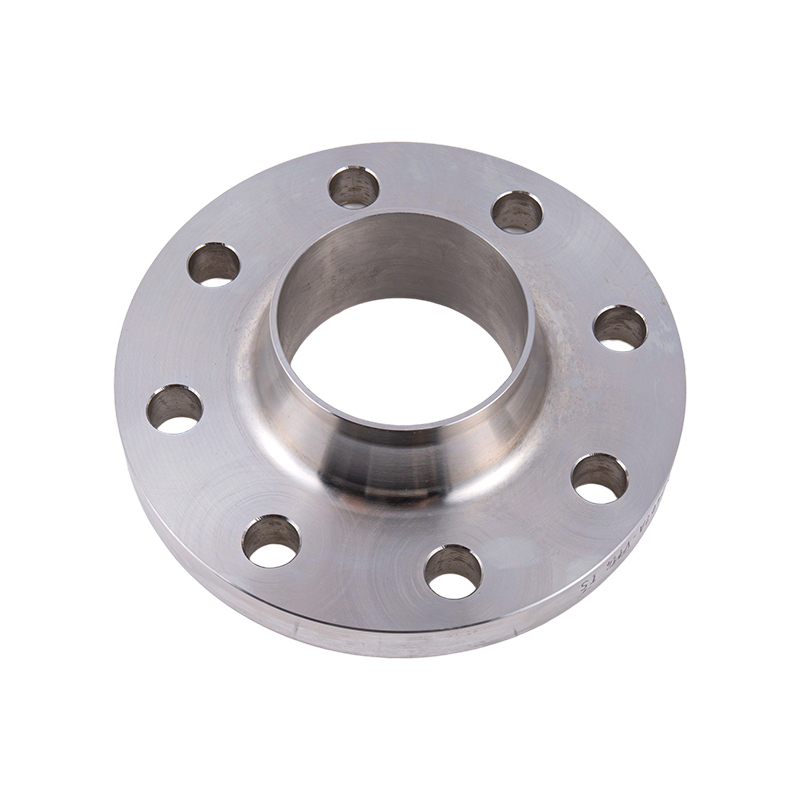
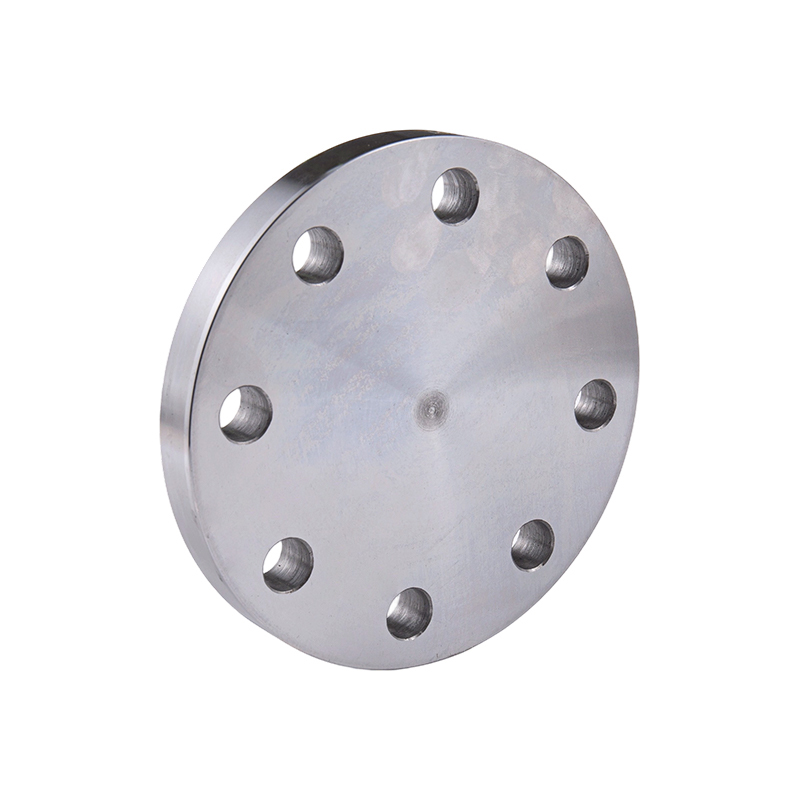
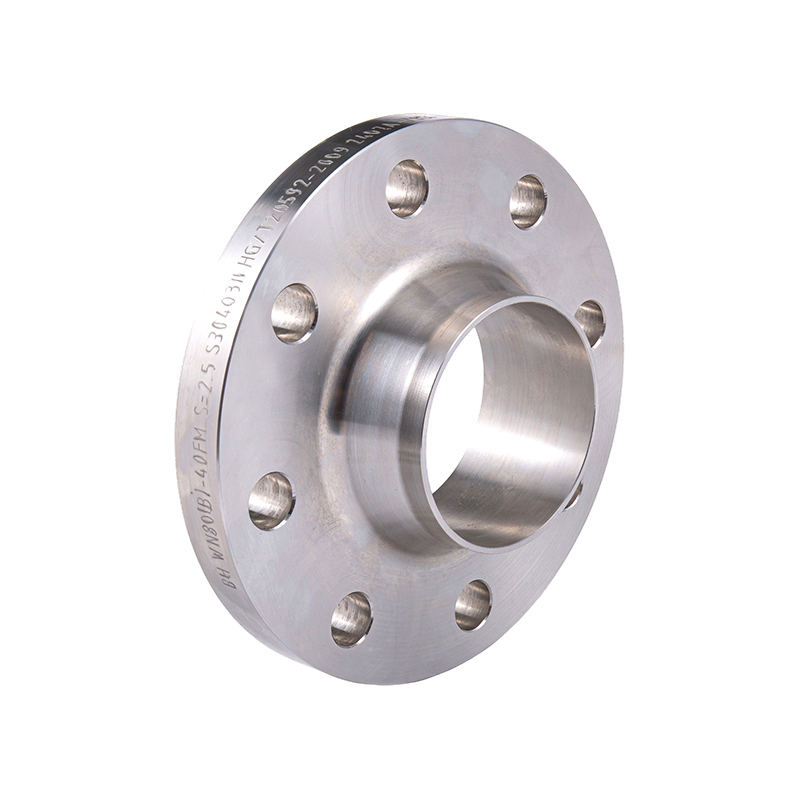
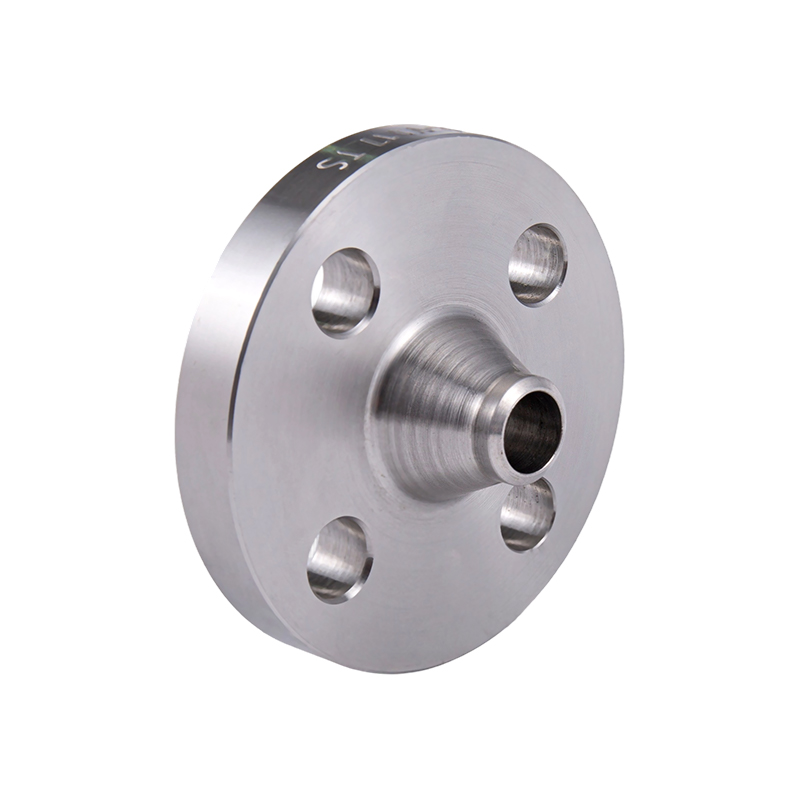
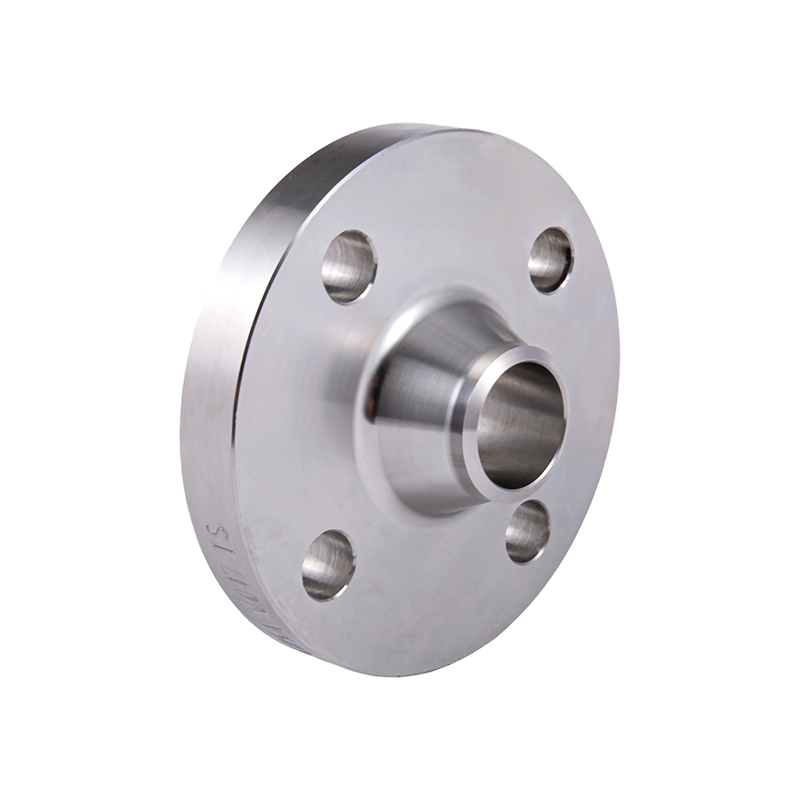
In most pipeline and equipment installations, standard flanges defined by ASME, DIN, or EN specifications are sufficient. However, real-world projects rarely follow ideal drawings. Equipment footprints evolve, space becomes constrained, and legacy systems introduce dimensional inconsistencies. In these situations, Non-Standard Flanges become a practical solution rather than a special-case exception.
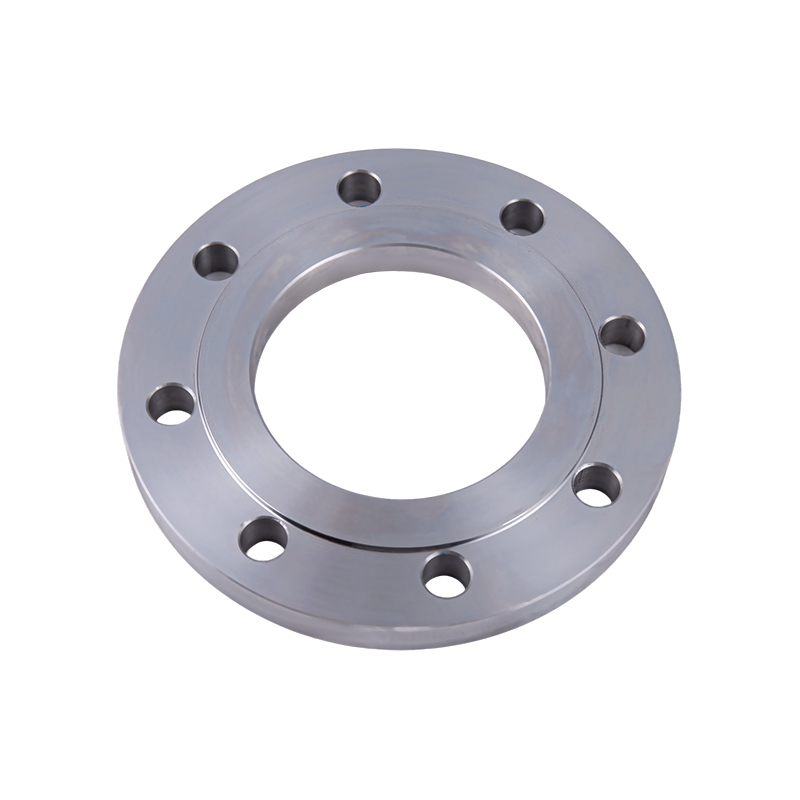
Non-Standard Flanges are typically required when bolt patterns, outer diameters, thicknesses, or bore sizes fall outside established norms. These deviations are not arbitrary; they usually reflect site-specific constraints, integration requirements, or performance targets that cannot be achieved using catalog components.
Engineers often encounter non-standard requirements during retrofits, plant expansions, or equipment replacements. Existing piping may have been installed decades ago using discontinued specifications, or machinery suppliers may provide proprietary connection interfaces. In these cases, fabricating Non-Standard Flanges avoids costly rework across the entire system.
Rather than forcing standard parts into incompatible layouts, custom flange design allows engineers to preserve performance while maintaining constructability.
Misalignment is a common driver behind Non-Standard Flanges. Even small offsets in piping centers can introduce stress concentrations, gasket leakage, and premature bolt fatigue. Custom flange geometries help compensate for these issues by adjusting hub lengths, bore transitions, or bolt locations.
In compact skid-mounted systems, reducing flange outer diameter can free critical clearance for valves or instrumentation. Conversely, increasing flange thickness may be necessary to handle bending moments in long unsupported runs.
| Design Variable | Standard Limitation | Non-Standard Advantage |
| Bolt Circle | Fixed by code | Adapted to legacy layouts |
| Outer Diameter | Preset size ranges | Optimized for tight spaces |
| Thickness | Limited pressure classes | Tailored to actual loads |
Another reason projects move toward Non-Standard Flanges is material compatibility. While carbon steel and stainless steel cover many applications, aggressive media or elevated temperatures often require alloys such as duplex stainless, Inconel, or titanium. These materials may not be readily available in standard flange catalogs, especially in uncommon sizes.
Custom fabrication allows engineers to match flange material exactly to pipe and equipment metallurgy, reducing galvanic corrosion risks and extending service life in chemical processing, offshore platforms, and thermal systems.
Standard flange ratings are based on generalized assumptions about pressure and temperature. In specialized projects, these assumptions may not reflect actual operating conditions. Non-Standard Flanges can be designed using finite element analysis to accommodate localized stresses, cyclic loading, or combined pressure and bending forces.
By addressing these variables directly, engineers avoid overdesign while maintaining safety margins appropriate to real loading conditions.
One concern often raised about Non-Standard Flanges is lead time. While standard parts can be pulled from inventory, custom components require engineering review, material procurement, machining, and inspection. However, modern CNC manufacturing and digital modeling have significantly reduced turnaround times.
Early engagement with fabricators helps integrate custom flange production into project schedules. Providing detailed drawings, load data, and material requirements upfront minimizes revisions and accelerates delivery.
Unlike standard components, Non-Standard Flanges typically require project-specific inspection plans. Dimensional verification, material traceability, and surface finish checks become critical to ensure compatibility during installation.
Common documentation includes mill test certificates, dimensional reports, and non-destructive examination records. These provide assurance that custom parts meet both engineering intent and regulatory expectations.
Successful integration depends on precise measurement of existing connections and clear communication between design, procurement, and installation teams. Field verification is often necessary, especially in older plants where drawings may no longer reflect actual conditions.
By treating Non-Standard Flanges as engineered components rather than simple hardware, projects gain flexibility without sacrificing reliability.
While standard flanges remain the backbone of most piping systems, Non-Standard Flanges play a critical role when constraints arise. Whether driven by space limitations, material requirements, or structural demands, custom designs allow engineers to resolve challenges efficiently.
Rather than viewing them as exceptions, many modern projects now consider Non-Standard Flanges a strategic tool—one that supports adaptability, extends asset life, and reduces the need for disruptive system modifications.
Products
Contact info.
+86-573-8553-5198
+86-136-1655-8299
+86-573-8553 5198
No. 207, Chuangye Road, Zhapu Town, Pinghu City, Zhejiang Province, China
QR Code
 Forged Stainless Steel Flanges Suppliers