English
 Español

Need Help Now? Call Us!
+86-573-8553-5198
Need Help Now? Call Us!
+86-573-8553-5198
Our team proudly offers an on-time guarantee and a 100% customer satisfaction guarantee.
Contact Online


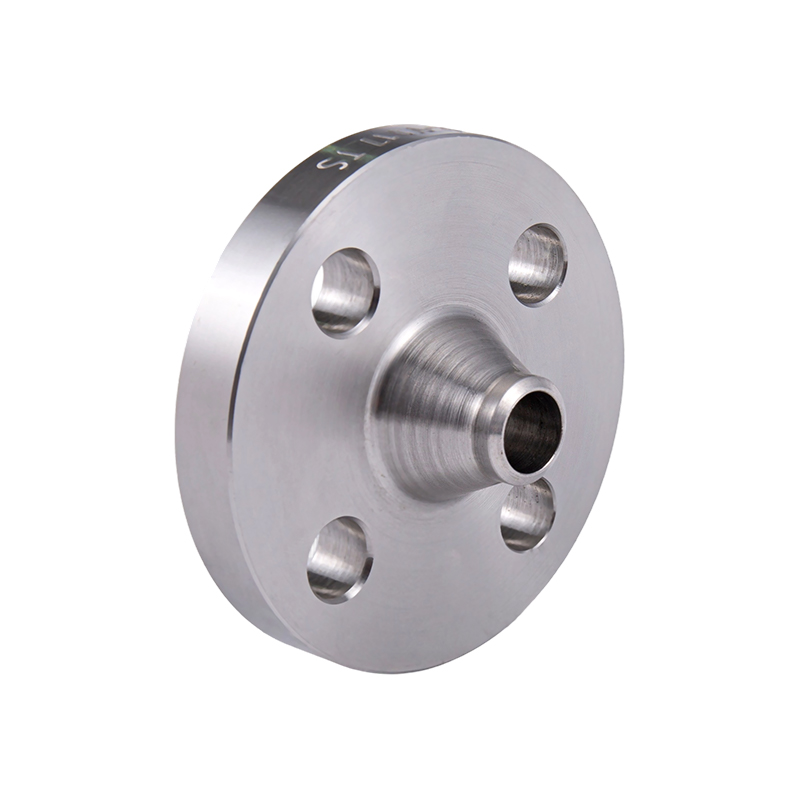
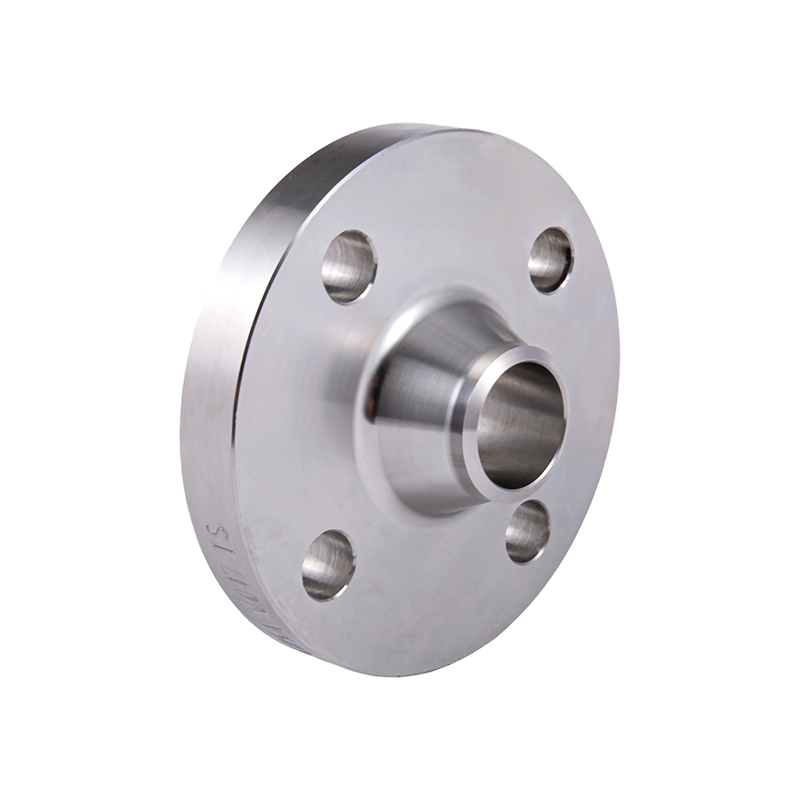
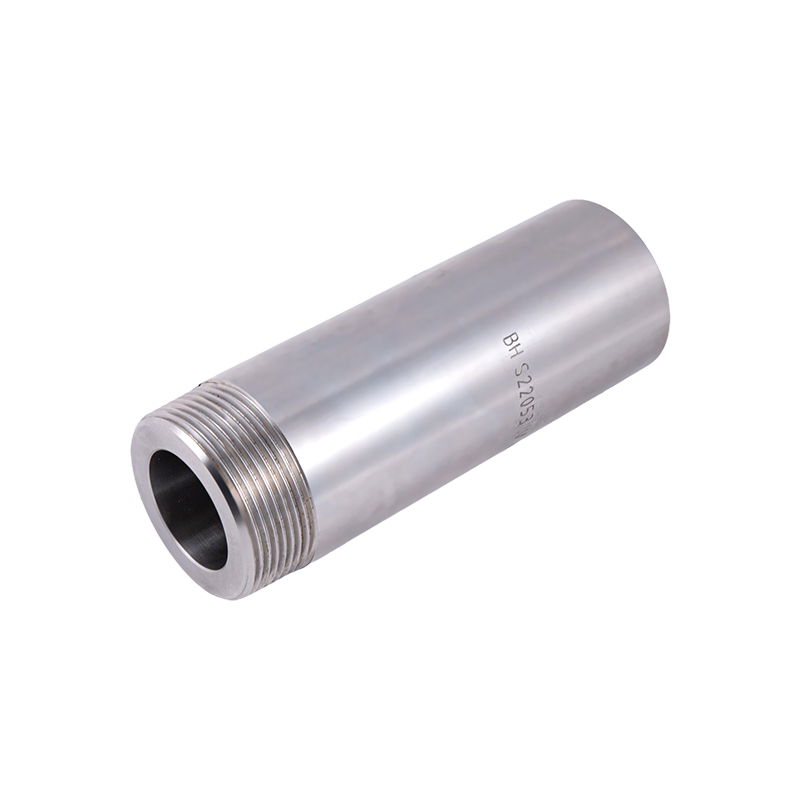
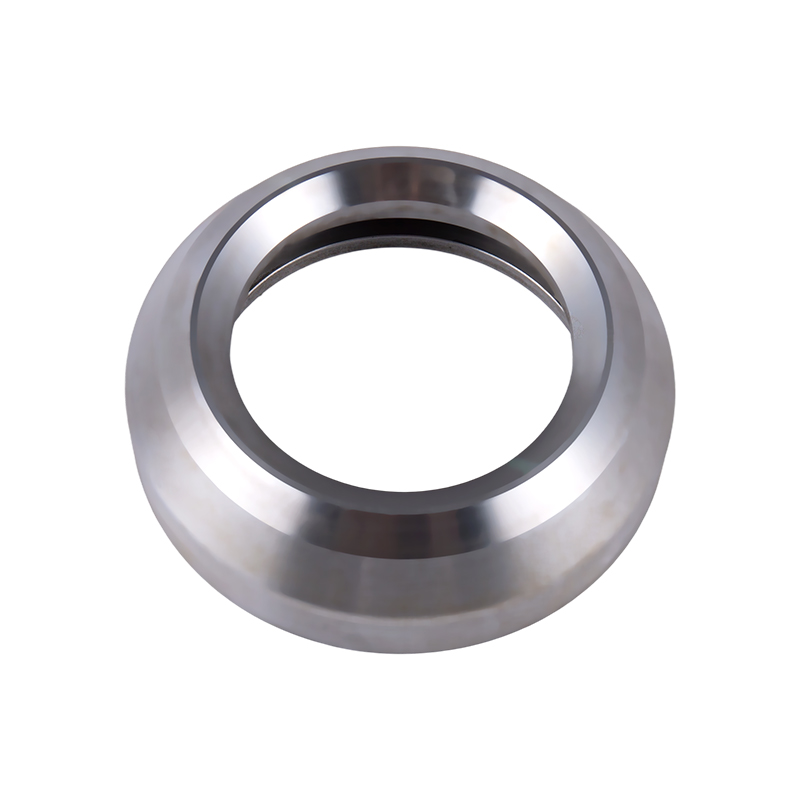
Forged flanges are critical components in piping systems, mechanical equipment, and pressure vessel fabrication across various industries. Their exceptional strength, durability, and reliability make them the preferred choice for connecting pipe sections, valves, pumps, and other equipment. Understanding the manufacturing process and the inherent benefits of forged flanges is key to appreciating their role in maintaining system integrity under demanding conditions.
Content
The distinctive performance characteristics of a forged flange stem directly from its method of manufacture: forging. Unlike cast products, which are poured into a mold, forging involves shaping metal while it is in a solid state, typically through compressive force using a hammer, press, or rolling equipment.
The primary benefit of forging is the creation of a favorable grain flow structure within the metal. When the material—often carbon steel, stainless steel, or alloy steel—is plastically deformed during forging, the internal grain structure elongates and flows to conform to the shape of the flange. This continuous, directional grain flow:
This controlled grain structure is crucial, especially when the flange is subjected to the high pressures, fluctuating temperatures, and aggressive media common in industrial applications.
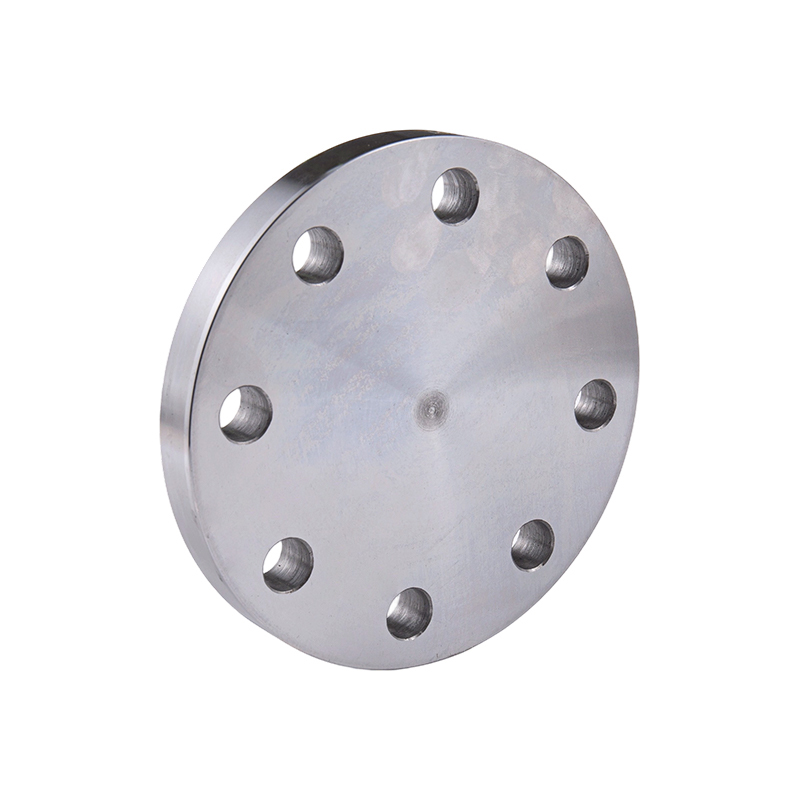
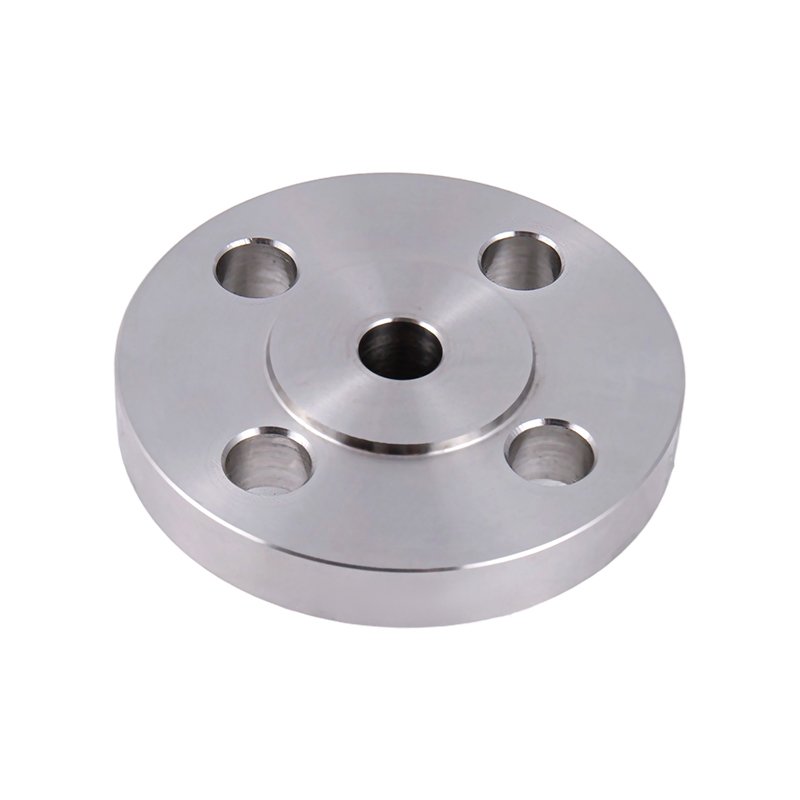
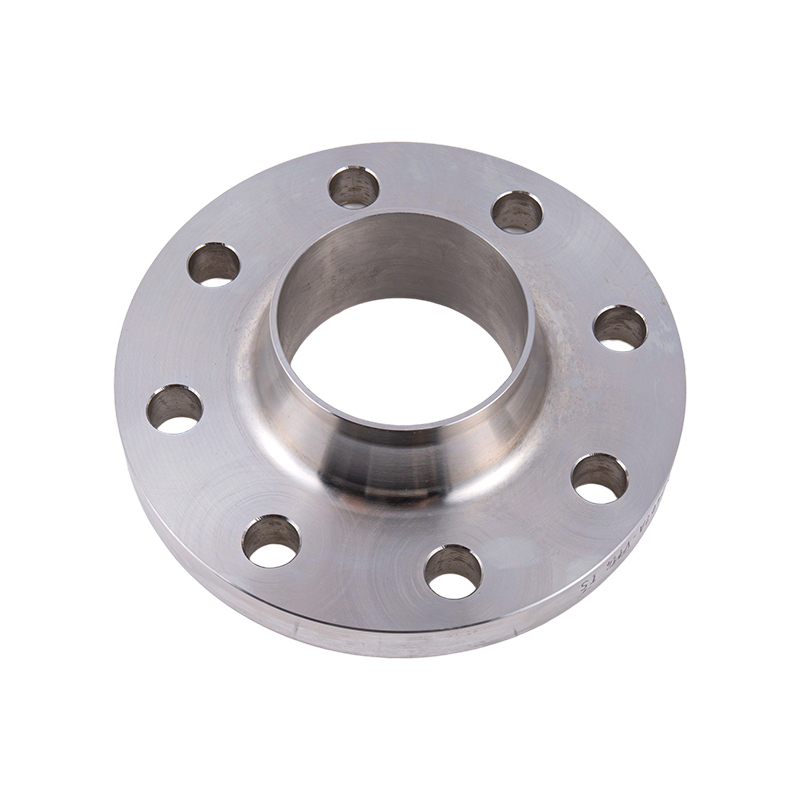
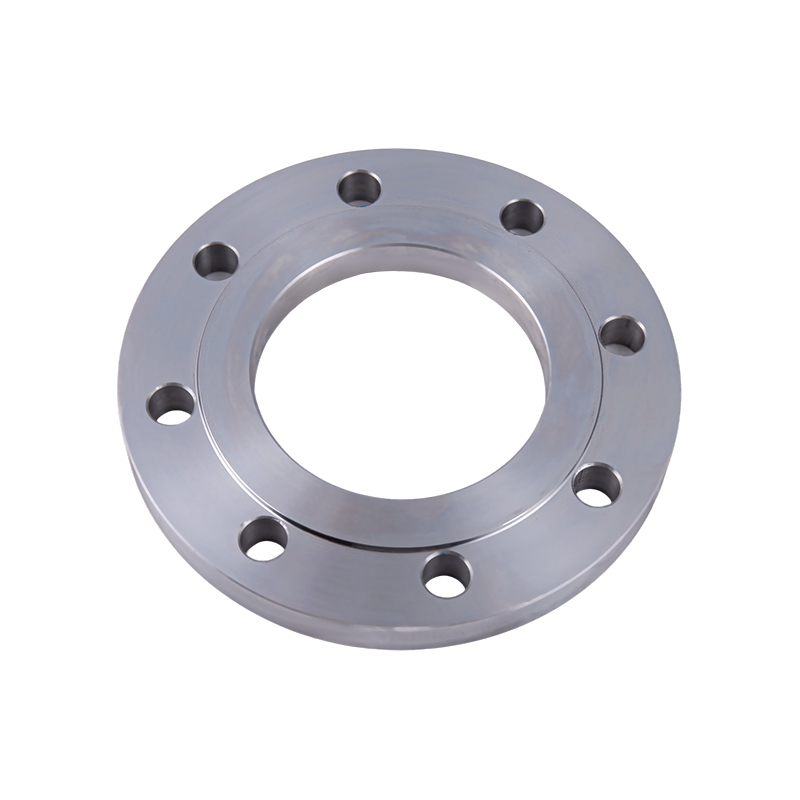
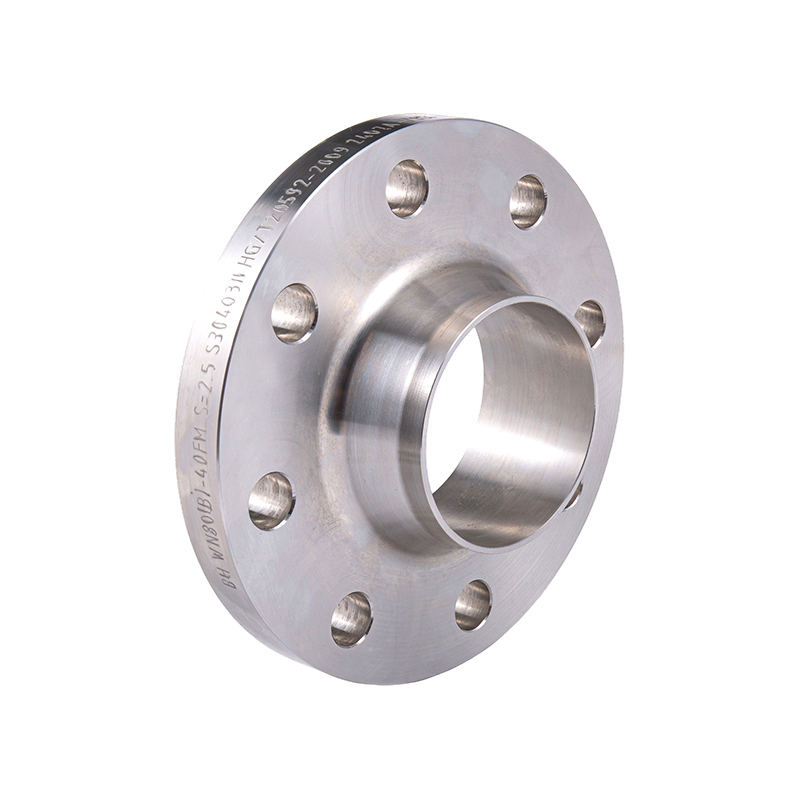
Forged flanges are manufactured in a multitude of types, each designed for specific connection requirements and service conditions. The most common types include:
These components are strictly governed by internationally recognized standards to ensure interchangeability and safety. The primary standard for dimensions, material, and pressure-temperature ratings in North America is ASME B16.5 (for pipe sizes NPS 1/2 through NPS 24) and ASME B16.47 (for large diameter flanges NPS 26 through NPS 60). Other relevant standards include the European standard EN 1092-1 and the German standard DIN.
The robustness of forged flanges makes them indispensable in environments where system failure is unacceptable. Key industries relying on their performance include:
Material selection for the forged flange is critical and depends entirely on the service conditions, particularly temperature, pressure, and the corrosive nature of the fluid. Common materials include:
| Material Type | Typical Application Environment |
|---|---|
| Carbon Steel (e.g., A105) | General-purpose, low-temperature, non-corrosive service. |
| Stainless Steel (e.g., F304/F316) | Excellent corrosion resistance, often used in chemical plants and food processing. |
| Alloy Steel (e.g., F11/F22) | High-temperature and high-pressure service, such as in power plants. |
In conclusion, the superior mechanical properties imparted by the forging process ensure that forged flanges maintain the highest levels of structural integrity and leak-proof performance, making them the gold standard for secure and reliable industrial piping connections.
Products
Contact info.
+86-573-8553-5198
+86-136-1655-8299
+86-573-8553 5198
No. 207, Chuangye Road, Zhapu Town, Pinghu City, Zhejiang Province, China
QR Code
 Forged Stainless Steel Flanges Suppliers