English
 Español

Need Help Now? Call Us!
+86-573-8553-5198
Need Help Now? Call Us!
+86-573-8553-5198
Our team proudly offers an on-time guarantee and a 100% customer satisfaction guarantee.
Contact Online


A standard forged flange is the most reliable and widely used pipe connection in industrial systems. Manufactured under strict international standards such as ASME B16.5 and EN 1092-1, forged flanges deliver predictable strength, precise dimensions, and leak-free sealing from vacuum conditions up to pressures of 420 bar. Their forged microstructure eliminates internal voids and aligns grain flow for fatigue resistance, making them the default choice over cast or plate-cut alternatives in oil and gas, chemical processing, and power generation.

Content
The forging process heats a solid billet of steel or alloy to approximately 1,100–1,250 °C and then shapes it under immense compressive force, often in a closed die. This mechanical working refines the grain structure, forcing it to flow along the contours of the flange—through the hub, ring, and bolt holes. The result is a component with no internal porosity, shrinkage cavities, or inclusions that plague castings. Standard forged flanges consistently achieve yield strengths 20–30% higher than their cast equivalents of identical chemistry, and their fatigue life can be double that of a cast flange under cyclic pressure loading.
Standard forged flanges are dimensionally governed by a core set of specifications that ensure global interchangeability. The most frequently referenced is ASME B16.5, covering nominal pipe sizes from ½ inch through 24 inches and pressure classes 150, 300, 600, 900, 1500, and 2500. For sizes above 24 inches, ASME B16.47 Series A and B apply. In European and many international markets, EN 1092-1 defines flanges for PN (Pressure Nominal) designations from PN 6 to PN 400. Each standard precisely dictates the outside diameter, bolt circle, number of bolts, and flange thickness—removing guesswork from piping design.
| Class (ASME) | PN Designation (EN) | Max. Pressure at 20°C (bar) |
|---|---|---|
| Class 150 | PN 20 | 19.6 |
| Class 300 | PN 50 | 51.1 |
| Class 600 | PN 100 | 102.1 |
| Class 1500 | PN 250 | 255.3 |
It is critical to remember that these maximum pressures decrease as the operating temperature rises, following the material group-specific derating curves in the standard. For carbon steel, a Class 300 flange derates to approximately 42 bar at 300°C.
The gasket-facing surface is a crucial variable coded into the standard flange specification. The three most common face configurations are matched to service pressure and fluid hazard.
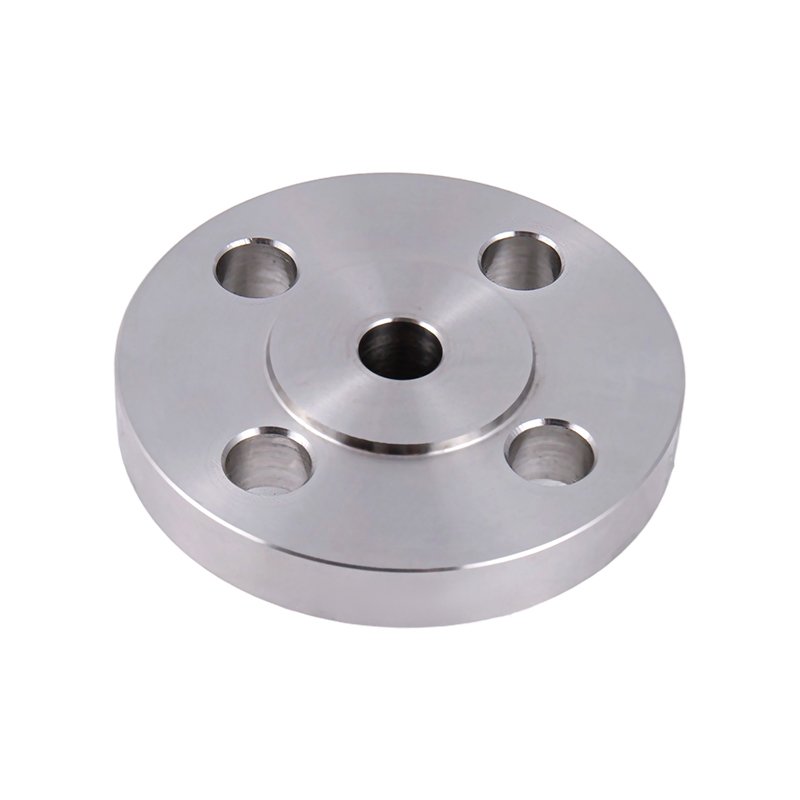
The geometry of the flange hub and the method of attachment to the pipe define the flange type. Selecting the right one is a balance of joint strength, installation ease, and cost.
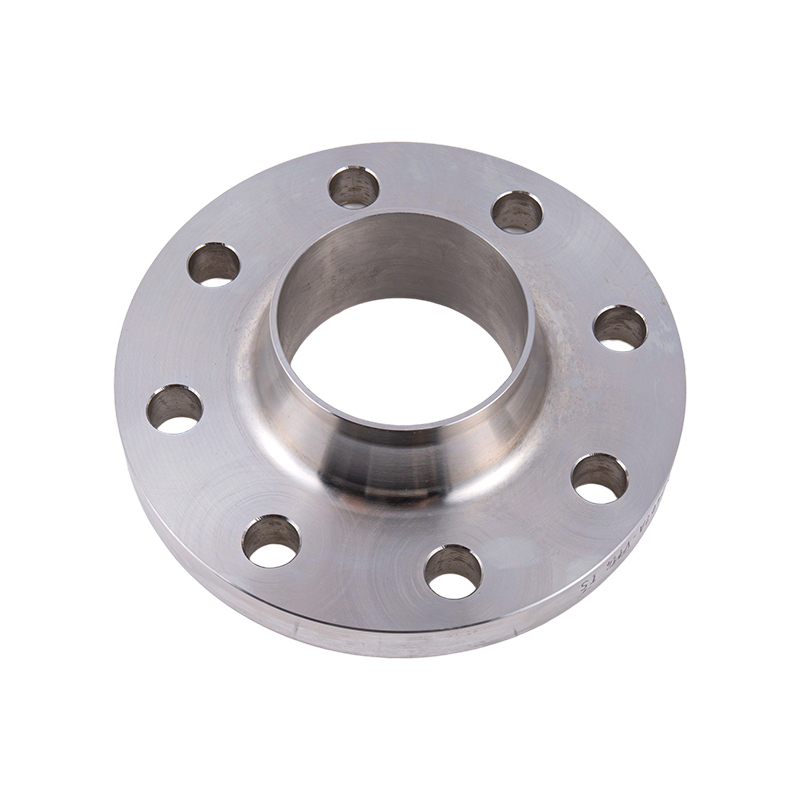
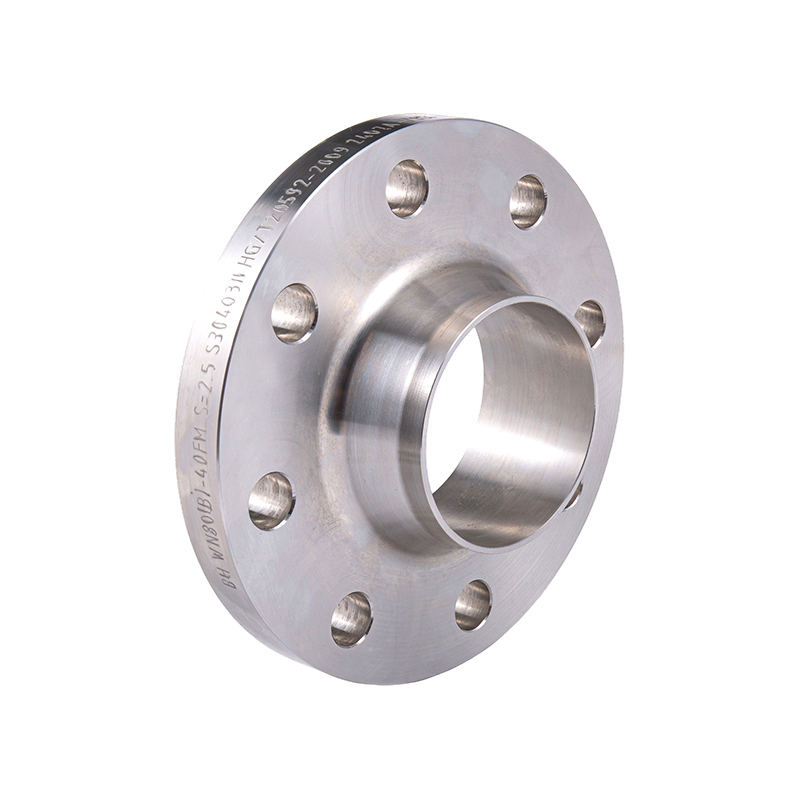
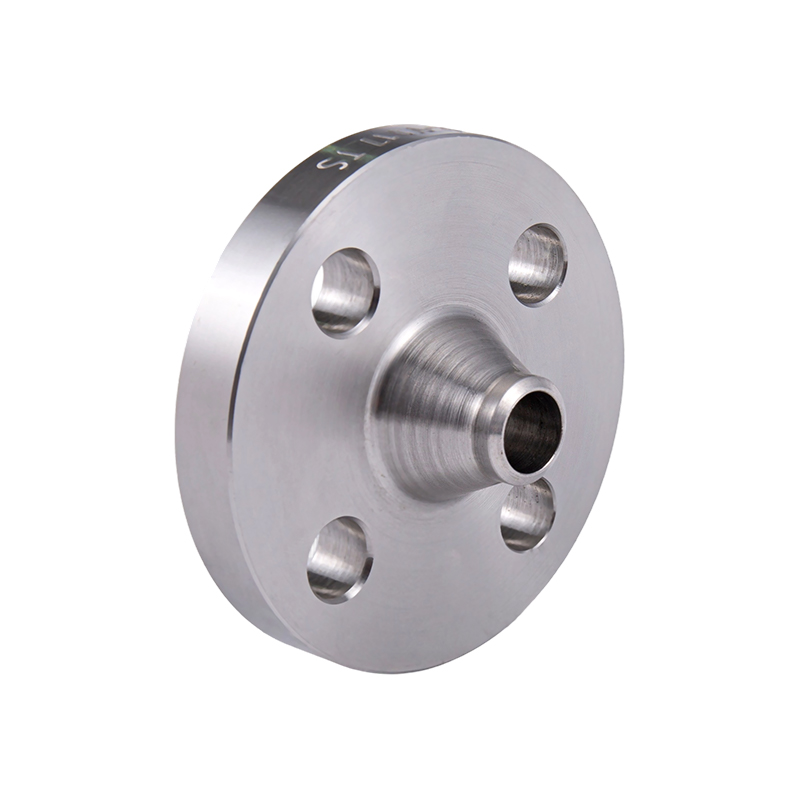
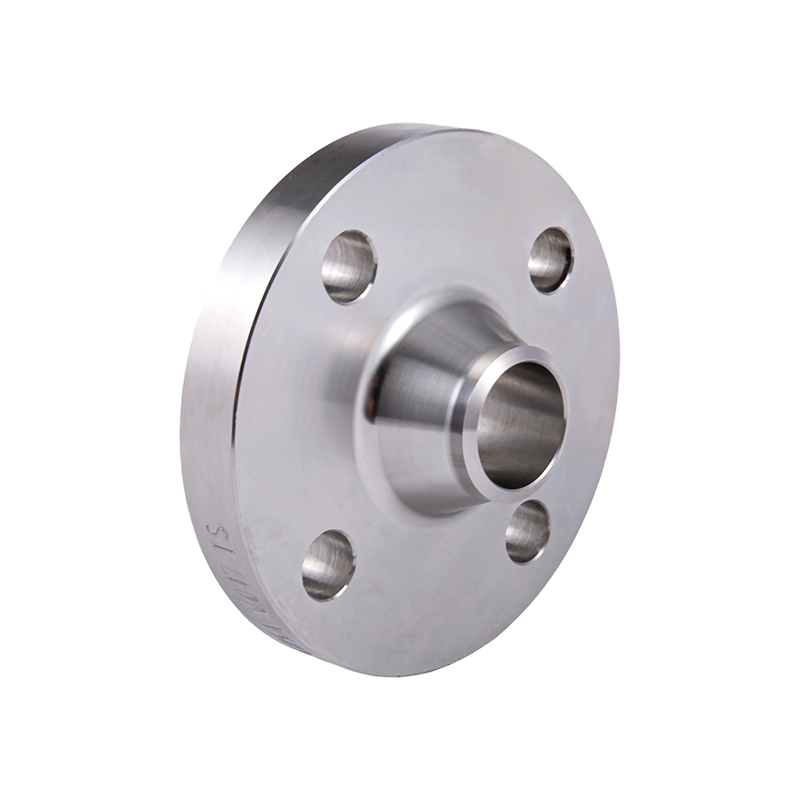
Identified by its long, tapered hub, the weld neck is butt-welded to the pipe, creating a smooth transition that distributes stress evenly. It is mandatory for cyclic high-pressure and high-temperature services where radiographic examination of the weld is required.
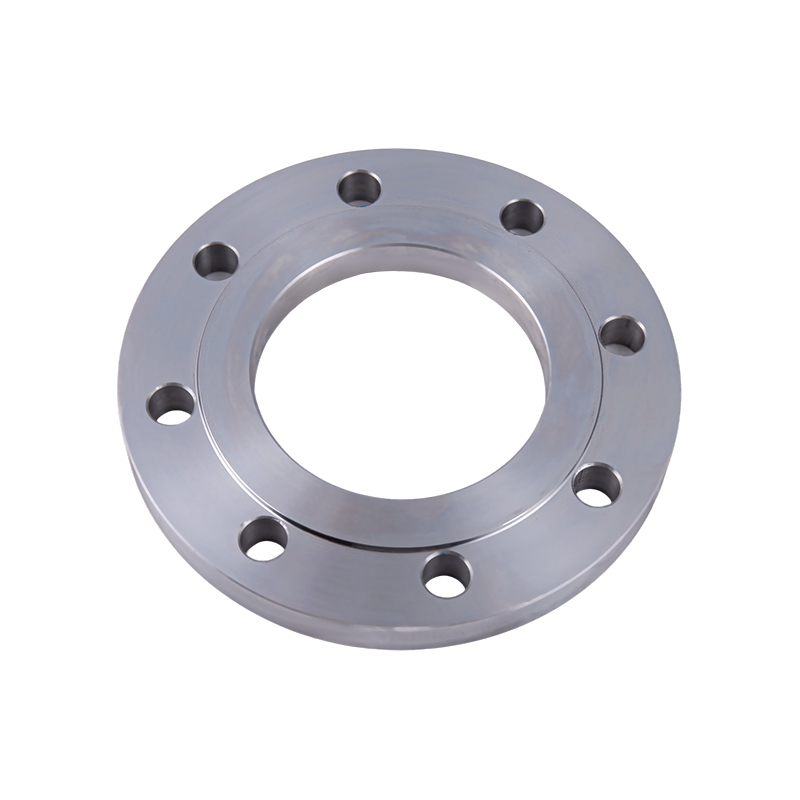
Slip-on flanges are fillet welded both inside and out, offering easier alignment but a fatigue strength roughly one-third of a comparable weld neck. Socket weld flanges are used for small-bore piping ≤ NPS 4, with a socket depth that accommodates thermal expansion of the pipe end.
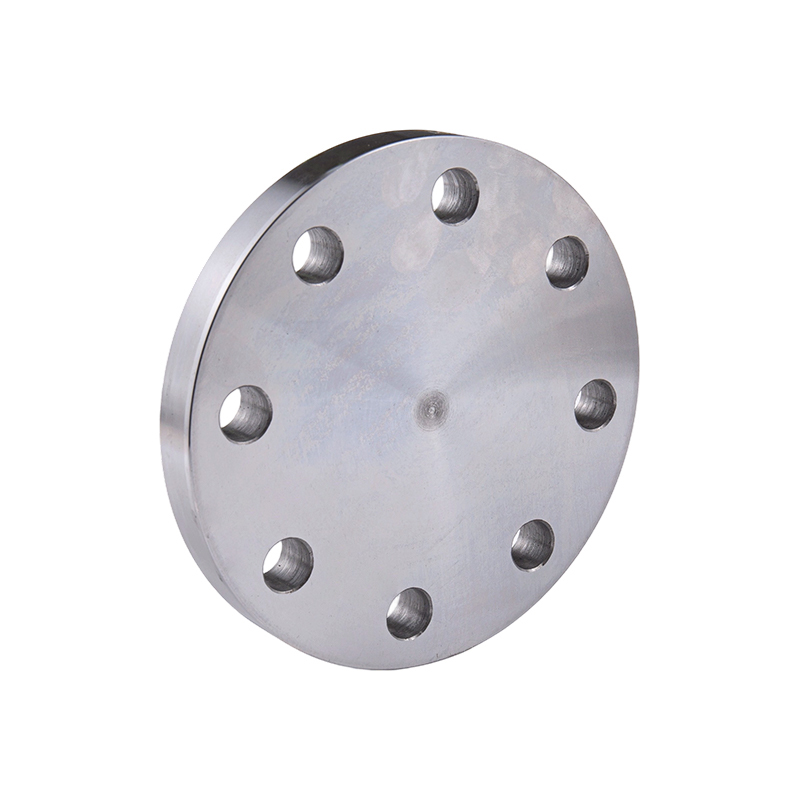
Blind flanges cap off piping ends and must withstand full axial pressure. Threaded flanges suit low-pressure utility lines without welding. Lap joint flanges are used with stub ends in stainless steel or alloy systems where frequent dismantling is needed and the flange ring can be carbon steel for economy.
Standard forged flanges are available in a comprehensive range of materials designated by ASTM numbers. Carbon steel flanges to ASTM A105 cover general industrial service from -29°C to 425°C. For low-temperature toughness, ASTM A350 LF2 can operate down to -46°C. Stainless grades such as ASTM A182 F304/F316 resist oxidation and corrosion up to 815°C, while duplex stainless A182 F51/F53 provides high strength and chloride stress corrosion cracking resistance. Alloy steel flanges like ASTM A182 F11 and F22 are used for high-temperature creep resistance in power boilers.
Even a perfectly made forged flange will leak if bolted incorrectly. Best practices are well-documented in ASME PCC-1 and hinge on controlled bolt stress.
The standard forged flange combines predictable geometry, a forged-in strength reserve, and compatibility with global piping codes. From the choice of face type to the bolting procedure, every detail supports a joint that can seal reliably for decades under the most demanding industrial conditions.
Products
Contact info.
+86-573-8553-5198
+86-136-1655-8299
+86-573-8553 5198
No. 207, Chuangye Road, Zhapu Town, Pinghu City, Zhejiang Province, China
QR Code
 Forged Stainless Steel Flanges Suppliers