Our team proudly offers an on-time guarantee and a 100% customer satisfaction guarantee.
Contact Online
Contact us by sending an inquiry or by phone or e-mail.
+86-573-8553-5198 Contact UsContent
In the vast and intricate network of industrial and commercial infrastructure, piping systems function as the vital circulatory system, transporting everything from water and steam to hazardous chemicals and high-pressure gases. The integrity of these systems is paramount, and at the heart of their reliability lies a critical component: the flanged pipe fitting.
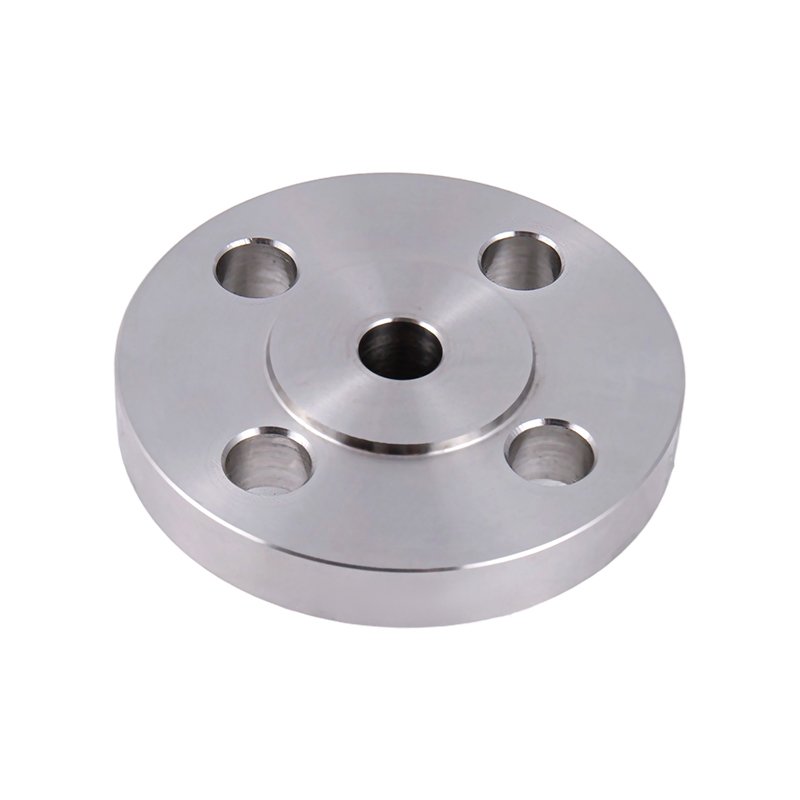
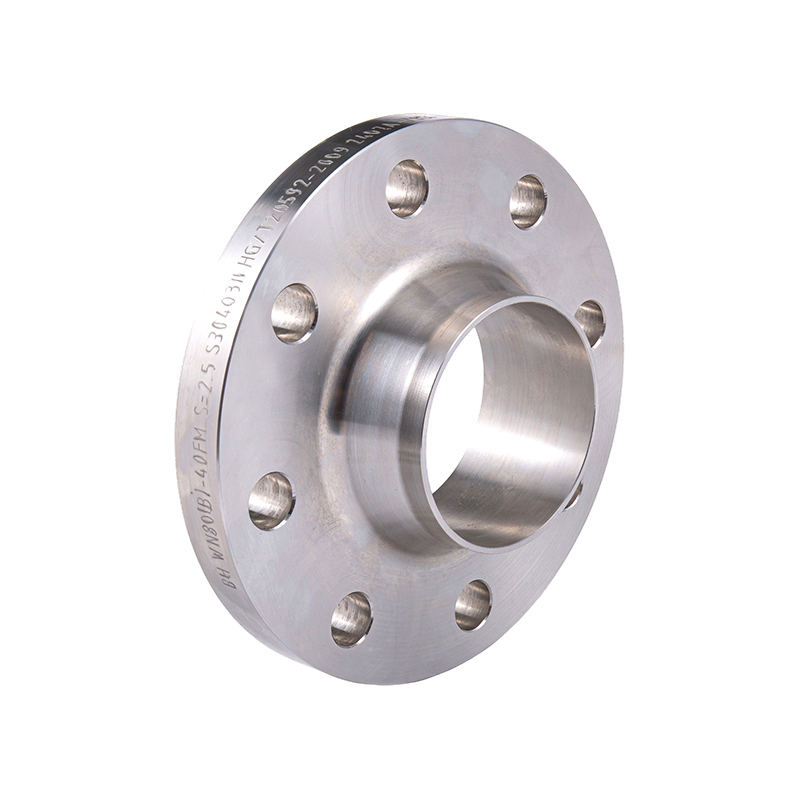
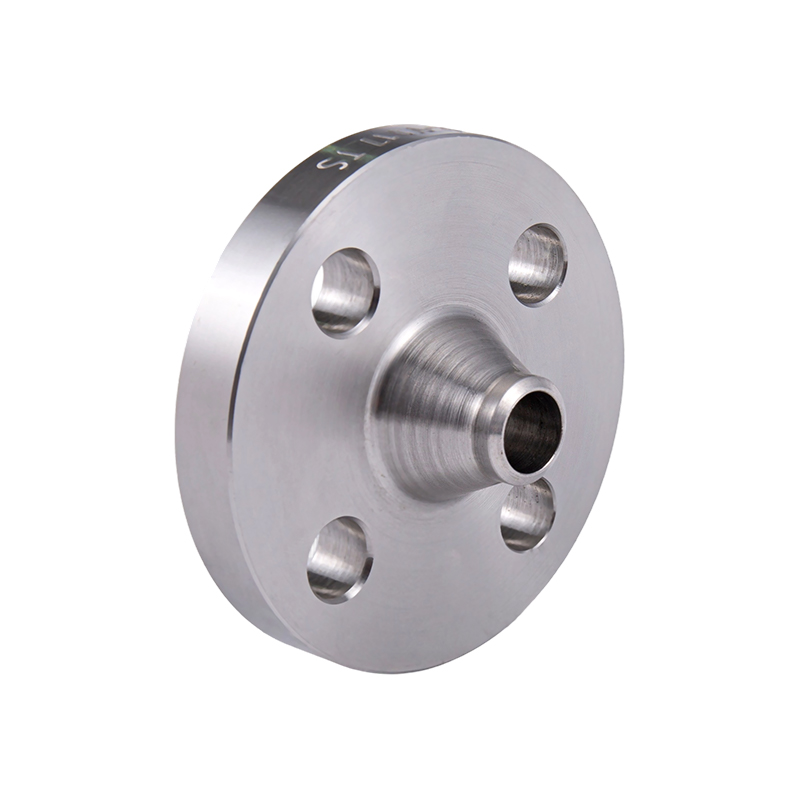
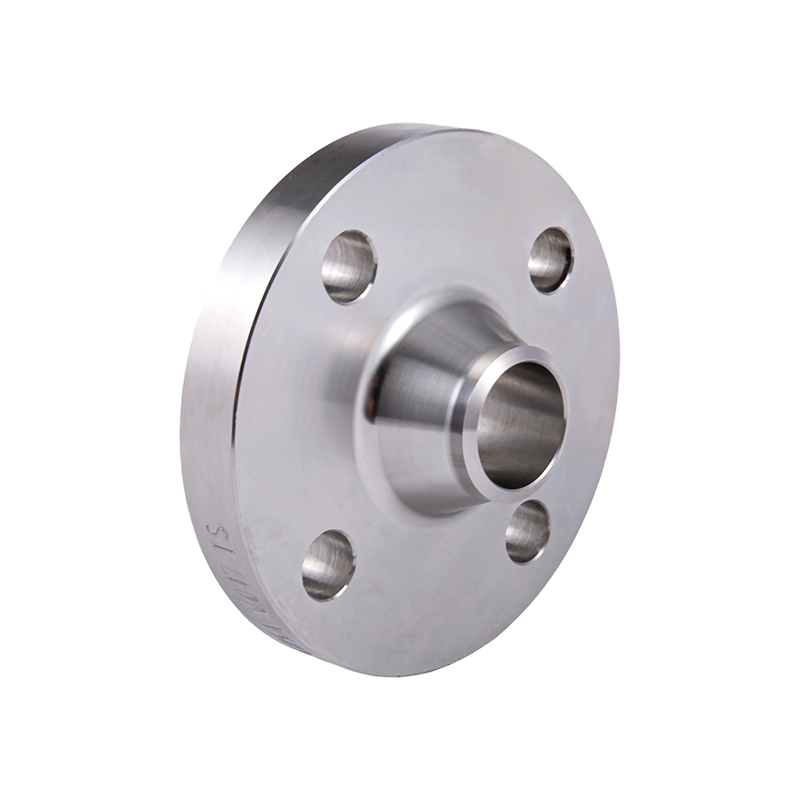
A flanged pipe fitting is a protruding rim, collar, or rib on a pipe, valve, or other equipment that enables two sections to be bolted together, forming a strong, sealed, and demountable joint. The connection is completed by inserting a gasket between the two mating flanges and tightening bolts around the circumference to create a leak-proof seal. This method provides a robust alternative to threaded or welded connections, offering superior strength and ease of assembly and disassembly for maintenance, inspection, or modification.
Flanged fittings are indispensable for modern piping for several key reasons:
The utility of flanged pipe fittings spans nearly every sector of industry and infrastructure. They are the fundamental connectors in:
In essence, flanged pipe fittings provide the essential “meeting points” in a piping system, ensuring structural integrity, operational safety, and long-term serviceability. The following sections will delve into the types, materials, and engineering that make these components the true backbone of reliable piping.
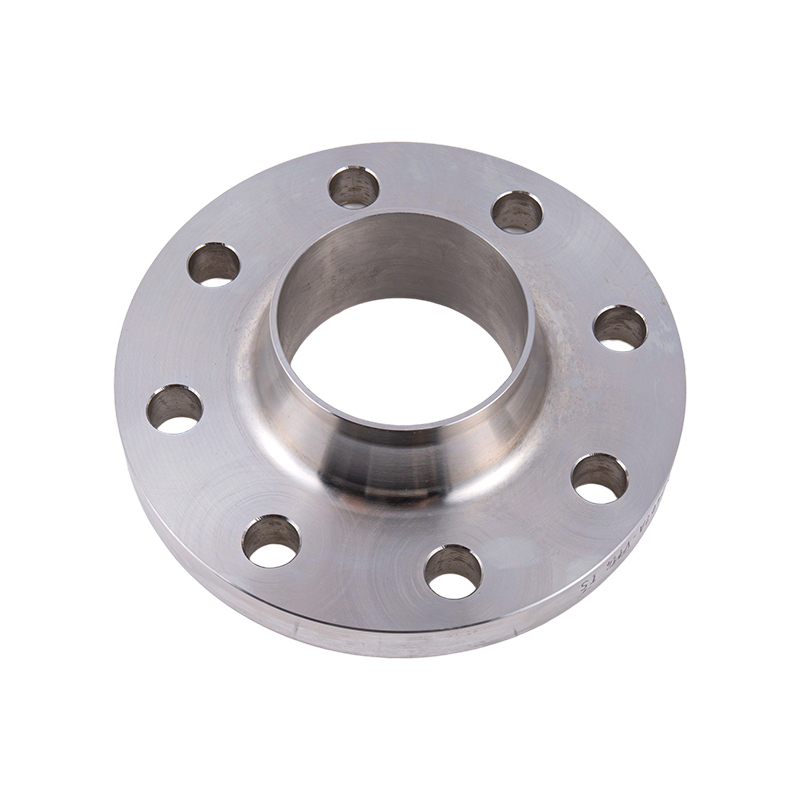
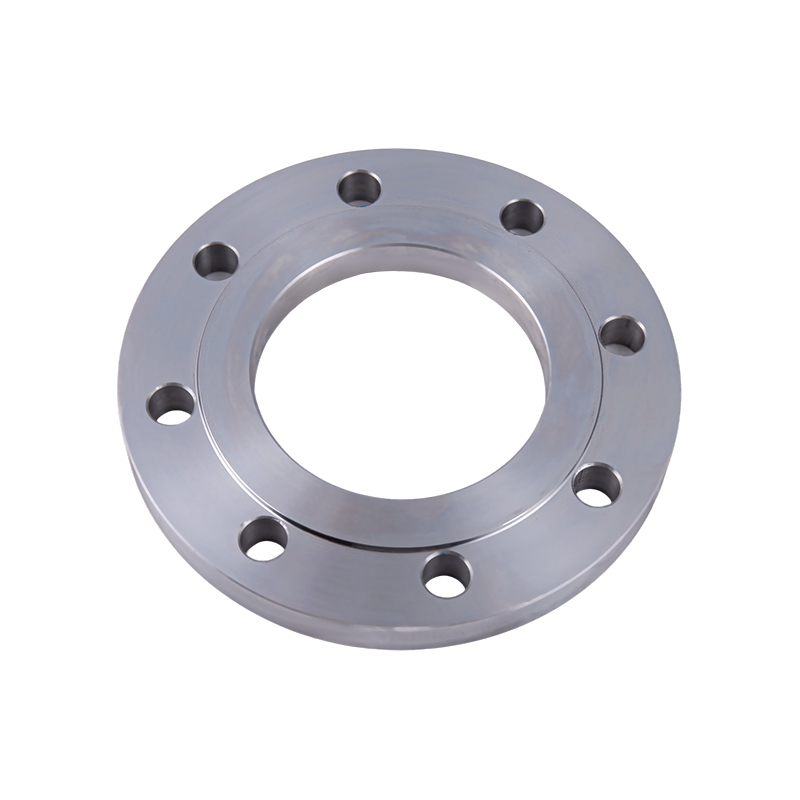
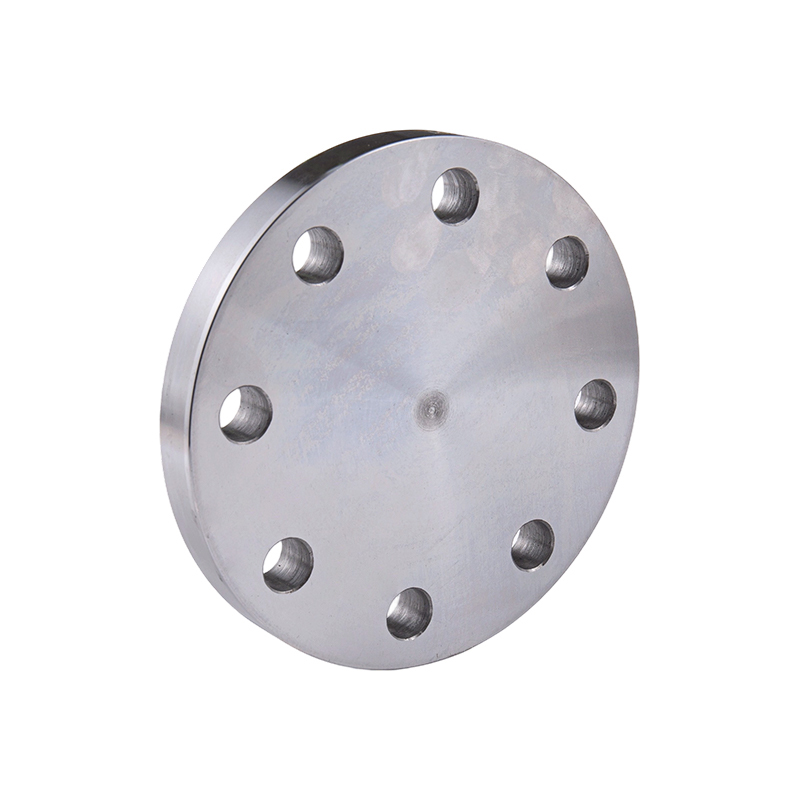
Selecting the appropriate type of flange is a critical engineering decision, directly impacting the piping system’s performance, safety, and maintenance costs. Each flange type is designed with specific advantages tailored to different operational requirements and installation constraints. The following are the most common types encountered in industrial applications.
| Flange Type | Primary Advantage | Best For | Key Consideration |
| Weld Neck | Strength & Durability | High Pressure/Temperature, Cyclic Loading | Highest integrity, but higher cost |
| Slip-On | Ease of Installation | Low-Pressure, Non-Critical Services | Lower cost, but lower strength |
| Blind | System Isolation | Closing Ends, Pressure Testing | Not for flow, pure closure |
| Socket Weld | Smooth Bore & Strength | Small-Bore, High-Pressure Lines | Risk of crevice corrosion |
| Lap Joint | Alignment & Dismantling | Frequent Disassembly, Costly Materials | Not for high mechanical loads |
| Threaded | No Welding Required | Low-Pressure, Hazardous Areas | Vulnerable to vibration/separation |
This section lays the groundwork for understanding the “what” and “why” behind flange selection. The next logical step is to explore the materials and standards that govern their manufacture and use.
The performance, safety, and longevity of a flanged connection are not solely determined by its design but are fundamentally dictated by the materials from which it is constructed and the standards to which it is manufactured. This synergy between material science and rigorous engineering standards ensures interoperability, reliability, and predictability across global industries.
The selection of flange material is primarily driven by the fluid service and environmental conditions.
Carbon Steel: The workhorse of the industry, valued for its high strength and cost-effectiveness.
Stainless Steel: Chosen for its excellent corrosion resistance and hygiene.
Alloy Steels: Engineered for enhanced mechanical properties and resistance to specific degradation mechanisms.
PVC and Other Non-Metallics: Used for their excellent corrosion resistance and lightweight properties.
Standards are the universal language that ensures flanges from different manufacturers can connect seamlessly and perform as expected.
ANSI/ASME:
DIN (Deutsches Institut für Normung): The German standard system, widely used in Europe.
ISO (International Organization for Standardization): Promotes global standardization.
Choosing the right material is a complex balance of technical and economic factors:
| Material Standard | Common Grades | Key Properties | Typical Applications |
| Carbon Steel | ASTM A105 | High Strength, Cost-Effective | Water, Steam, Oil, Gas (General Service) |
| Low-Temp Carbon Steel | ASTM A350 LF2 | Good Impact Toughness at Low Temps | Refrigeration, LNG, Cold Climate Piping |
| Stainless Steel | ASTM A182 F304/F316 | Excellent Corrosion Resistance | Chemical, Marine, Food & Beverage |
| Alloy Steel | ASTM A182 F11/F22 | High-Temp Strength, Creep Resistance | Power Plant Steam Lines |
| Duplex Stainless | ASTM A182 F51/F53 | High Strength & Corrosion Resistance | Offshore, Chemical, Oil & Gas |
| PVC/Plastics | ASTM D1784 | Excellent Chemical Resistance, Lightweight | Corrosive Drainage, Water Treatment |
This foundation in materials and standards leads directly to the engineering decisions that ensure a flange will perform safely and effectively throughout its service life.
Moving beyond selection of type and material, the successful implementation of flanged pipe fittings hinges on precise design and engineering. This phase ensures that the chosen components will perform safely and reliably under the specific conditions they will encounter throughout their operational life. Ignoring these factors is a primary contributor to system failure, leaks, and costly downtime.
The pressure capability of a flange is not a fixed number but is intrinsically linked to its material and the operating temperature.
A flange must withstand not only the internal process fluid but also the external environment.
Precision in manufacturing is non-negotiable for leak-free performance.
| Face Type | Abbreviation | Description | Typical Applications |
| Raised Face | RF | A raised, serrated ring on the sealing surface. | Most common; used for a wide range of pressures and temperatures. |
| Flat Face | FF | A completely flat sealing surface. | Low-pressure, low-temperature; often with cast iron valves and equipment. |
| Ring-Type Joint | RTJ | A grooved face for a metal ring gasket. | Very high-pressure and/or high-temperature (e.g., wellhead equipment, HP steam). |
| Tongue & Groove | T&G | A matching tongue and groove machined into the flange faces. | Provides self-alignment and a high-integrity seal for hard-to-retain gaskets. |
These design considerations form the blueprint for a safe system. However, even a perfectly designed flange can fail if installed incorrectly.
A perfectly engineered and selected flanged connection can still fail if installed incorrectly or neglected. Proper installation and disciplined maintenance are the final, essential links in the chain of reliability, transforming theoretical design into leak-free, long-lasting performance in the field.
The foundation of a successful flanged joint is precise alignment and the correct gasket.
Achieving a uniform, leak-tight seal is a science, not just a matter of “tightening the bolts.”
Proactive maintenance prevents small issues from becoming catastrophic failures.
Gasket TypeMaterial ExampleMax Temp (Approx.)Pressure ClassBest ForNon-MetallicCompressed Asbestos-Free (CNAF)400°F (204°C)Low-MediumWater, Air, Oil (General Service)PTFETeflon®500°F (260°C)LowStrong Acids, Chemicals, High PuritySemi-MetallicGraphite Filled Spiral Wound1500°F (815°C)HighSteam, Hydrocarbons, High P/T ServicesMetalSoft Iron Ring-Type Joint (RTJ)1500°F (815°C)Very HighWellheads, HP Steam, Critical Service
By adhering to these installation and maintenance protocols, the inherent reliability designed into flanged connections is fully realized. The industry, however, is not standing still.
The field of flanged pipe fittings, while built on proven engineering principles, is not immune to progress. Driven by the demands for greater efficiency, reduced lifetime costs, and enhanced safety, several key trends and innovations are reshaping how these critical components are designed, selected, and installed.
The pursuit of stronger, lighter, and more durable materials is relentless.
The construction industry’s shift towards modularization is strongly influencing piping.
Digitalization is bringing a new level of precision and data-driven decision-making to the flange ecosystem.
These innovations point toward a future where flanged connections are not only more robust and efficient but also smarter and more integrated into the digital fabric of industrial operations.
As we have explored, flanged pipe fittings are far more than simple connectors; they are engineered components that form the foundational backbone of modern piping infrastructure. Their enduring prevalence is a testament to a powerful combination of benefits:
The future of flanged pipe fittings is one of evolution, not obsolescence. While the fundamental principle of the bolted, gasketed joint will remain, its implementation is becoming smarter, stronger, and more efficient. The trends toward lightweight advanced materials, modular pre-fabrication, and digital integration will continue to accelerate. We can expect flanged systems to become even more reliable through data-driven installation and predictive maintenance, while simultaneously reducing total lifecycle costs and enhancing safety.
In essence, the flanged connection will continue to be the critical node that ensures integrity, safety, and flow in the world’s piping systems. Its continued innovation ensures it will remain the backbone of reliable piping, supporting industrial progress for decades to come.
Products
Contact info.
+86-573-8553-5198
+86-136-1655-8299
+86-573-8553 5198
No. 207, Chuangye Road, Zhapu Town, Pinghu City, Zhejiang Province, China